

Biomass densification processes like pelletization and briquetting are essential techniques for converting raw biomass into dense, solid biofuels. These methods improve biomass’s energy density while enhancing its handling, storage, and combustion properties, making it a more viable alternative to traditional fossil fuels.
Pelletization Process
Pelletization involves compressing biomass into small, uniform cylindrical pellets. Typically, these pellets measure between 6 and 10 millimetres in diameter and range from 10 to 30 millimetres in length. The process is done by a pellet mill or pelletizing machine, which exerts high pressure to compact the feedstock into pellets.
Feedstock: The pelletization process accommodates a variety of biomass materials, such as wood chips, sawdust, agricultural residues, energy crops, and biomass wastes.
Pellet Characteristics: The resulting wood pellets have a standardized shape, size, and energy content, making them easy to handle, transport, and store. Their increased energy density further boosts combustion efficiency, making them popular across various sectors.
Applications: Wood pellets are widely ustilise residential heating, industrial heating, and power generation. Some power plants even use them as an alternative or complementary fuel source for producing electricity.
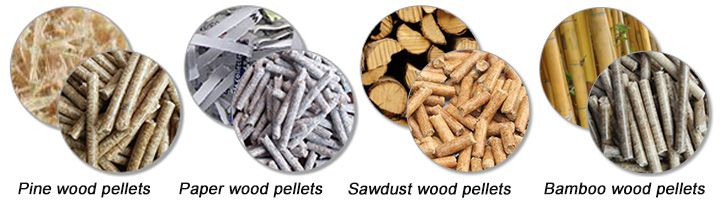
Source: www.gemco-energy.com
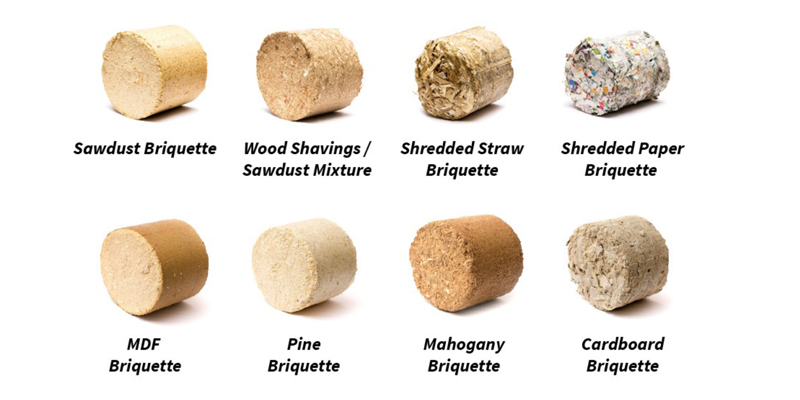
Source: www.ecostan.com
Briquetting Process
Briquetting also transforms biomass into solid fuel, but the end product is typically larger and denser than pellets. Briquettes are often cylindrical or square in shape, and the process requires a briquetting press that applies high pressure to compact the biomass.
Production Steps:
- Collection and sorting of raw materials.
- Grinding the biomass to a consistent size.
- Moisture reduction to facilitate better binding.
In some cases, binders are added to improve adhesion, but natural lignin in the biomass often serves as an effective binder, eliminating the need for additional chemicals.
Feedstock: Briquetting accommodates a range of biomass feedstock, such as agricultural residues, energy crops, wood chips, sawdust, straw, and other organic materials.
Briquette Characteristics: Briquettes are highly resistant to breakage and can withstand adverse weather conditions. Their high energy density makes them easier to transport and store while ensuring efficient combustion.
Applications:
- Domestic Heating: Used in stoves, fireplaces, and boilers for heating homes and water.
- Industrial Heating: Employed in industries like brick kilns, tea processing units, and drying operations.
- Cooking: In some regions, briquettes are a sustainable cooking fuel, reducing the need for firewood or charcoal.
- Power Generation: Briquettes can be co-fired with coal or used independently in power plants for electricity production.
Critical Benefits of Pelletization and Briquetting
- Increased Energy Density: Both processes compress biomass into a denser form, improving transportation and storage efficiency.
- Consistent Combustion: The uniform size and shape of pellets and briquettes ensure consistent combustion, enhancing overall energy efficiency.
- Cleaner Burning: Densified biomass burns more cleanly than raw biomass, producing fewer emissions.
- Sustainability: Both processes utilize renewable biomass sources, providing a sustainable alternative to fossil fuels and contributing to environmental preservation.
Choosing Between Pelletization and Briquetting
The decision to use pelletization or briquetting depends on various factors, including the available biomass, the desired application, and the existing infrastructure. Both methods are critical for producing solid biofuels that promote sustainable energy use, thus helping to reduce reliance on non-renewable energy sources.