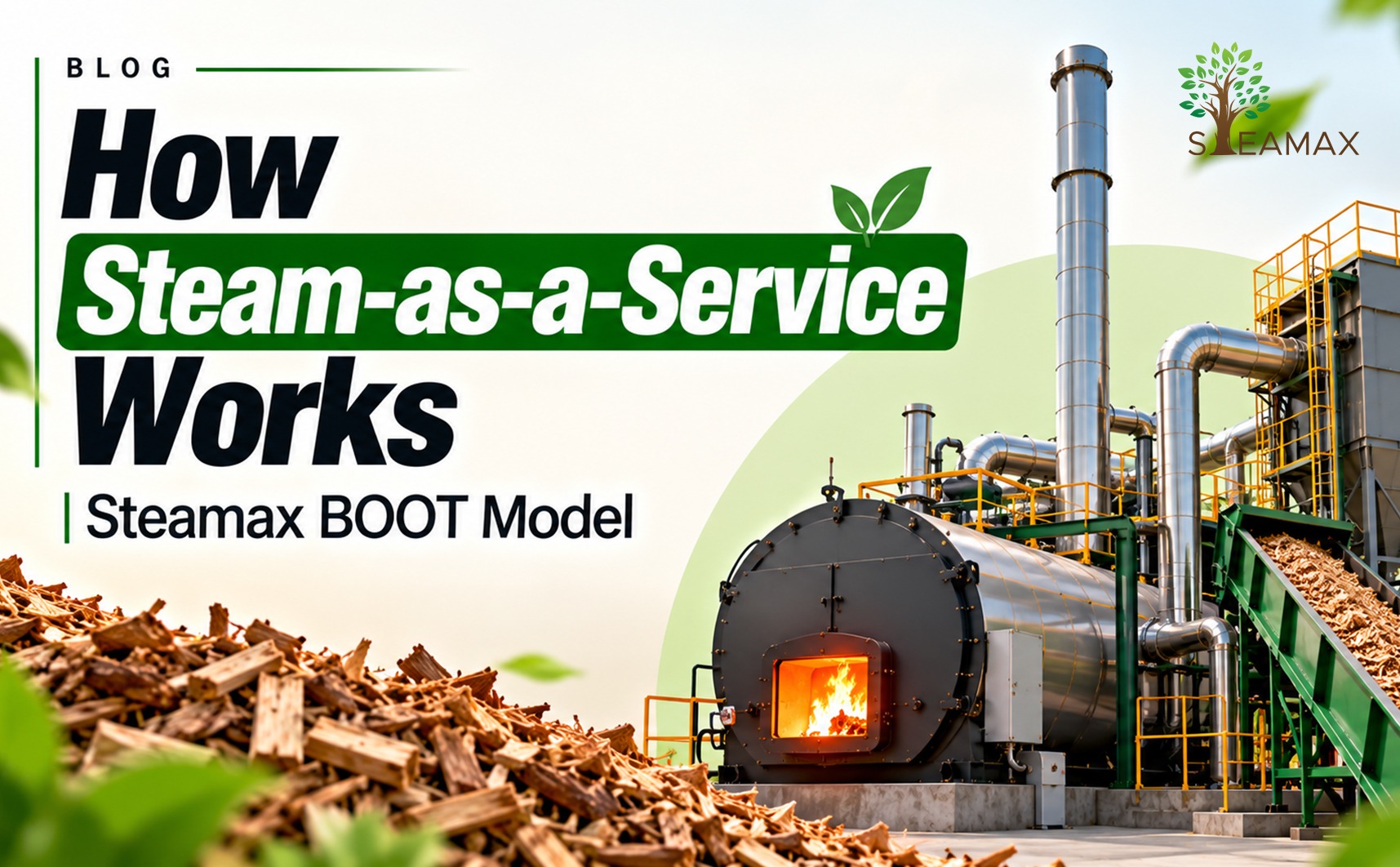
BOOT Model Explained: How Steam-as-a-Service Works for Industries

How Steam As A service works? Steamax BOOT model
Summary
  • The BOOT (Build, Own, Operate, Transfer) model offers industries an alternative way to manage their steam and thermal energy requirements without taking on the full responsibility of owning and operating the thermal infrastructure from the beginning.
  • Under this arrangement, Steamax can manage system installation, biomass fuel sourcing, daily operations, and maintenance while supplying steam under an agreed commercial structure.
  • At the end of the contract, ownership may transfer to the customer according to the agreed terms. This approach can help industries reduce upfront investment and focus on their core production activities.
For industries that depend on steam or thermal energy, managing the complete thermal utility system can involve significant investment and operational responsibility. The challenge isn’t limited to installing a boiler. Fuel sourcing, maintenance, workforce, day-to-day operation and long-term asset management all need attention. The BOOT (Build, Own, Operate, Transfer) model offers a different approach. Under this model, the service provider builds and owns the thermal energy system, operates and maintains it, manages fuel and related requirements, and supplies steam to the customer as a service. At the end of the agreed contract period, ownership can transfer to the customer under the agreed terms. For industries looking to shift from conventional fuels to biomass-based thermal energy, this model can bring infrastructure investment and operational responsibilities under one service arrangement.

What Is the BOOT Model?

BOOT stands for Build, Own, Operate, Transfer. It is structured around four key stages:
  • Build
The required boiler or thermal heating system is designed, installed or converted based on the customer’s requirements.
  • Own
The thermal asset remains with the service provider during the agreed contract period.
  • Operate
The service provider manages operational requirements, including fuel procurement and day-to-day operation and maintenance.
  • Transfer
At the end of the agreed term, the contract may allow the customer to take ownership of the thermal asset. In simple terms, the customer uses the steam while the thermal partner manages the system behind it. BOOT

Why Is BOOT Gaining Attention?

For industries considering a shift from conventional fuels to cleaner thermal energy, selecting the right technology is only one part of the decision. Businesses also need to consider:
  • Upfront CAPEX
  • Fuel sourcing and management
  • Workforce requirements
  • Boiler operation
  • Maintenance
  • Asset ownership
  • Long-term operational responsibility
The BOOT model brings these elements together under a service structure. This lets the customer focus on core production while a dedicated thermal partner manages the steam-generation system.

How Steamax Delivers the BOOT Model

Steamax can structure the BOOT model around an existing thermal system or a new biomass-based installation, depending on the customer’s requirements.

1. Assess the Existing System

The process begins with an assessment of the existing boiler or Thermic Fluid Heater (TFH). Steamax evaluates factors such as:
  • Equipment age and condition
  • Existing capacity
  • Fuel consumption
  • Steam or heat requirements
This assessment helps determine the appropriate path for the thermal system.

2. Choose the Right Path

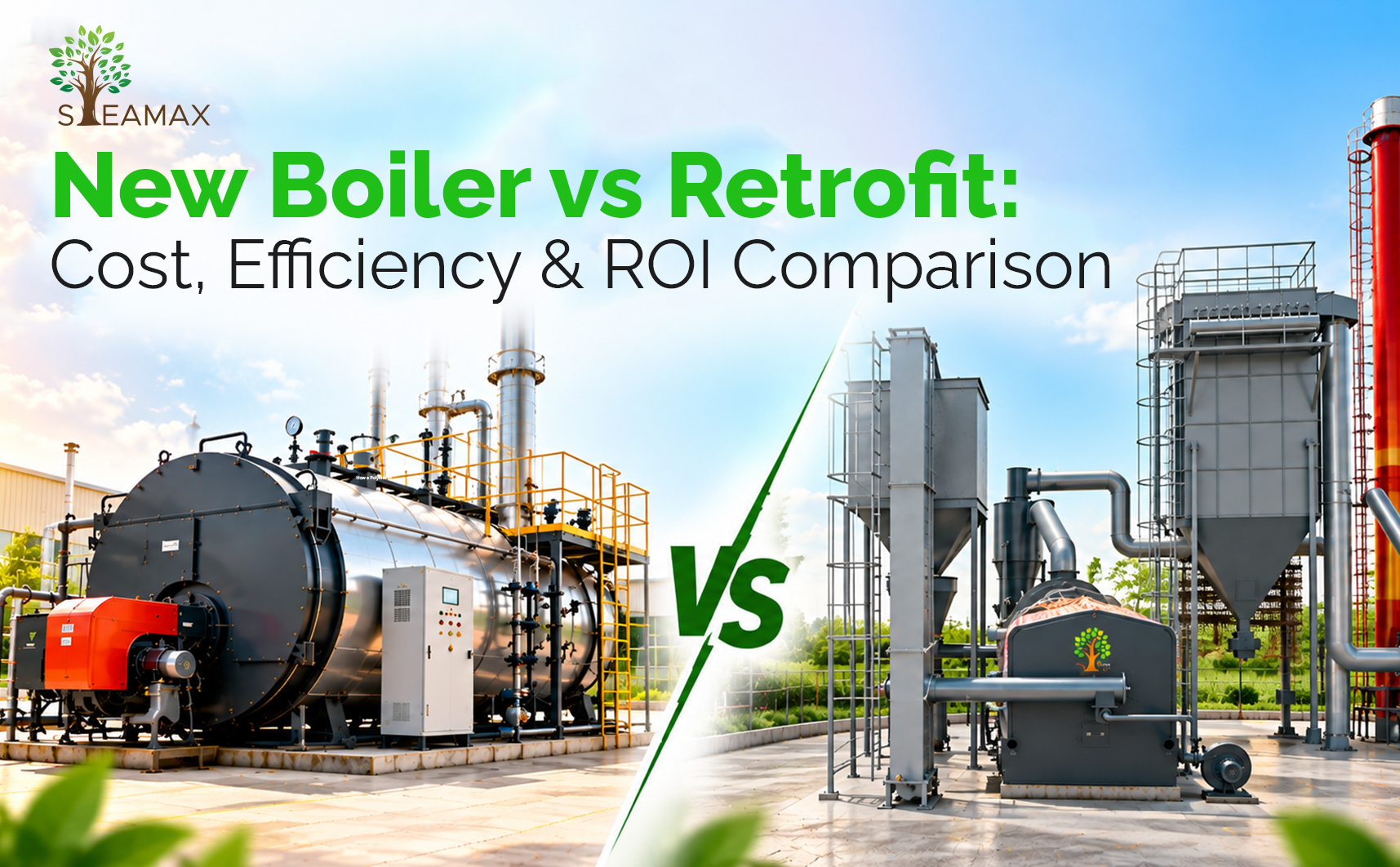
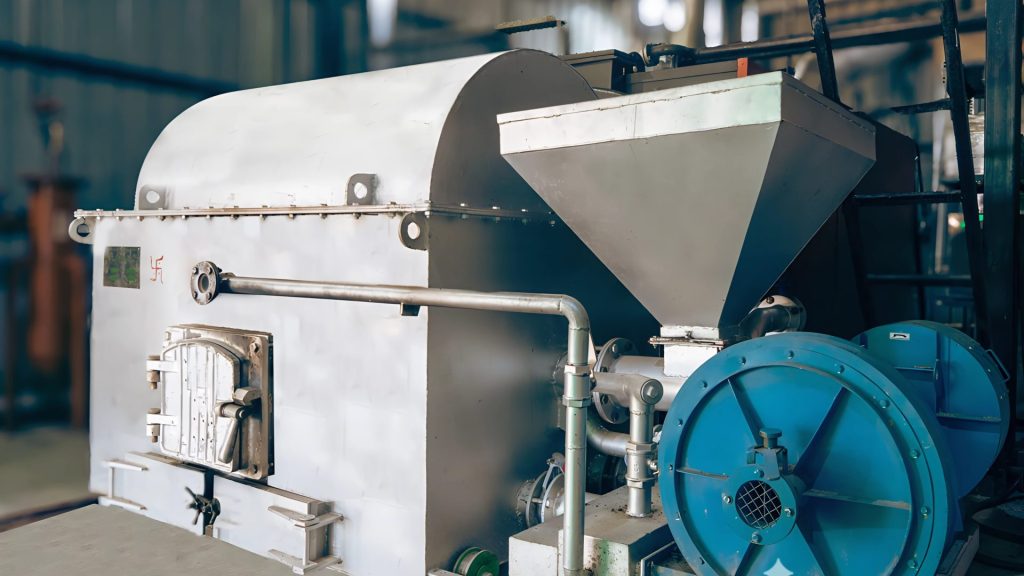
Based on the assessment, there can be two possible approaches. If the existing equipment is suitable, it can be converted from oil or gas to biomass through an engineered retrofit. Where replacement is more suitable, a new biomass-fired system can be installed. The approach therefore depends on the condition and requirements of the existing thermal infrastructure.

3. Build and Invest

Under the agreed BOOT arrangement, Steamax takes responsibility for the required thermal infrastructure. This can reduce the customer’s upfront investment in the thermal asset while allowing the required system to be developed around its steam or heat requirements.

4. Operate and Manage

Once the system is in operation, Steamax manages key operational requirements. This includes:
  • Biomass fuel sourcing
  • Fuel quality management
  • Day-to-day operation
  • Maintenance
  • Ash management
The customer can therefore focus on production while the service provider manages the thermal utility.

5. Supply Steam as a Service

Instead of managing the complete boiler-house operation independently, the customer pays for the steam consumed under an agreed commercial structure. This shifts the focus from managing the thermal asset to receiving the steam required for production.

6. Transfer

At the end of the agreed contract period, the thermal asset can be transferred to the customer as per the agreed terms. This completes the BOOT cycle and provides a defined transition from service-based operation to asset ownership.

A Simpler Way to Think About Steam-as-a-Service

The BOOT model can be summed up in three simple ideas:
  • You need reliable steam.
  • Steamax manages the thermal utility.
  • You focus on your production.
By combining thermal infrastructure, operation, fuel management, and maintenance within an agreed service model, the BOOT approach gives industries an alternative way to manage steam requirements while considering a transition to biomass-based thermal energy.

Frequently Asked Questions (FAQs)

BOOT stands for Build, Own, Operate, Transfer. Under this model, a service provider develops and owns the thermal energy infrastructure, operates and maintains it, and may transfer ownership to the customer at the end of the agreed contract period.

The service provider builds or installs the required thermal system, manages its operation and maintenance, arranges fuel supply, and provides steam to the customer under an agreed commercial arrangement. Ownership transfer follows the contract terms.

Potential benefits include:

  • Lower upfront investment in thermal infrastructure.

  • Reduced responsibility for daily boiler operations.

  • Managed fuel procurement and maintenance.

  • Greater focus on core manufacturing activities.

  • Predictable steam-supply arrangements, depending on the contract.

Yes. A BOOT arrangement can include a biomass-based boiler installation or a suitable retrofit of existing thermal equipment. Technical feasibility depends on the existing system, fuel availability, and process requirements.

Yes, where technically suitable. The existing boiler can be assessed for possible conversion or retrofit. If it isn't suitable, a new thermal system may be considered.

You can run it yourself, with operator training and lifetime service support from Steamax. Or we take on the fuel supply, operations and ash disposal, and you pay per tonne of steam under Steam-As-A-Service model

Looking for a simpler way to manage your industrial steam requirements?

Explore Steamax's BOOT and Steam-as-a-Service solutions to understand how biomass-based thermal energy, fuel management, boiler operations, and maintenance can be brought together under one service arrangement.
Let Steamax help you evaluate the right approach for your facility and production needs.
Contact Steamax India to discuss your requirements.
Share this article

Leave a Reply

Your email address will not be published. Required fields are marked *

Clean. Green. Efficient.

We help industries shift to green biomass fuel and cut their emissions and fuel costs.

Green steam and heat for Indian industry.