In today’s world, energy demand is soaring as our global village expands. The daily energy requirements across the globe are rapidly outpacing the installed generation capacity, pushing the limits of our current energy infrastructure. The focus must shift towards renewable energy resources to bridge the gap. However, the contribution of renewables to the world’s energy mix remains relatively low. As the third-largest electricity consumer, India is leading the charge in renewable energy production, achieving about 38% of its energy (136GW of 373GW) from renewables as of 2020.
Barriers to Renewable Energy Adoption
Despite the progress, numerous challenges and barriers hinder the widespread adoption of renewable energy, particularly in developing countries like India. A significant gap remains between India and more developed nations regarding the commercialization and industrialization of renewable energy.
- Cost Barrier Traditional fossil fuels are often cheaper than renewable energy resources. Renewable energy production is still costlier due to small-scale operations and low-production technology. It makes it challenging for renewables to compete with the established, lower-cost fossil fuels.
- Market Share Barrier: Renewable energy sources currently hold a relatively small share of the global energy market. Developing a larger market share for renewables is crucial for reducing prices and making these resources more accessible and competitive.
- Policy Barrier: Policy implementation is a critical step in the transition to renewable energy. More substantial support and more robust policies are needed to push renewable energy production to an industrial scale and facilitate a smoother transition from fossil fuels.
Why Is It Hard to Quit Fossil Fuels?
Fossil fuels have been the backbone of industrial development for centuries, powering the progress that has shaped our modern world. However, as we continue to advance, it’s becoming increasingly clear that the resources that fuel our growth could also be our most significant environmental challenge. Despite the need to transition to cleaner energy sources, there are several reasons why it’s difficult to phase out fossil fuels:
- Perceived Reliability: Some still believe that fossil fuels are a reliable choice for energy generation, arguing that it takes a lot of work to phase them out due to their established infrastructure and consistent energy output.
- No Production Requirement: Fossil fuels, formed over millions of years, do not require production in the same way that renewable resources do. Despite the environmental costs, this makes them seem like a more straightforward energy source.
- Economic Dependence: Many people’s livings are tied to the fossils industry. For some, the economic security provided by fossil fuels outweighs the environmental concerns, making the transition to renewables challenging.
- Limitations of Renewables: Some believe that while renewable energy sources like wind and solar are growing, they still have limitations. For instance, wind power depends on wind conditions, and solar power is only viable during daylight hours.

Introducing Astillas: A Sustainable Fuel Alternative
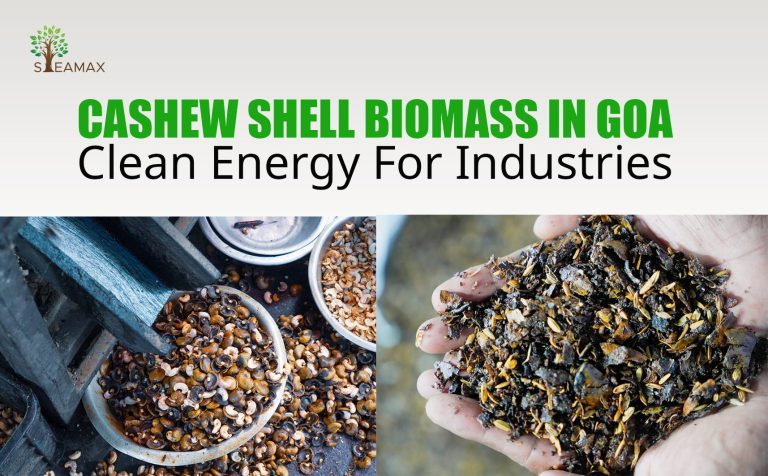
In response to these challenges, Steamax has developed Astillas, a renewable biofuel that offers a sustainable alternative to fossil fuels. Astillas are produce from natural products such as cashew shells, de-oiled cashew cake, sawdust, groundnut shell, and seasoned wood chips. This innovative blend generates fewer emissions than other fuels and burns cleaner, with superior combustion characteristics.
Key Features of Astillas:
- Transparency: Unlike densified fuels like briquettes and pellets, Astillas offers complete transparency in its constituents, ensuring users know precisely what they’re burning.
- Customization: Astillas can be customize in size and composition to meet the specific needs of different locations and requirements.
- Efficient Combustion: With a lower bulk density and higher calorific value, Astillas burns more efficiently than other fuels, providing a cleaner energy source.
- Cost-Effectiveness: Astillas are produce using low-cost, locally sourced biomass materials with minimal processing, making it an economical choice for industries looking to reduce their carbon footprint.

Biomass fuel, particularly products like Astillas, represents an excellent alternative to fossil fuels, especially from an environmental standpoint. The urgent need to transition to renewable energy is more pressing than ever, and Steamax is here to help industries make that shift. If you have questions about Astillas or are interested in learning more about how it can benefit your operations, please get in touch with us today.