As industries worldwide face increasing pressure to reduce their carbon footprints and meet sustainability targets, the need for zero emissions solutions has never been more urgent. One significant energy-intensive process in many industries is steam generation. Traditionally powered by fossil fuels, steam generation contributes heavily to industrial carbon emissions. However, a growing shift toward biomass-based steam generation is helping industries embrace a more sustainable future.
In this blog, we’ll explore how industries can leverage biomass for steam generation, their challenges, and the benefits of this greener alternative.
The Growing Need for Zero-Emissions Solutions
Industrial operations are at the heart of global energy consumption, and steam generation is a significant part of that energy use. Steam is utilise to drive turbines, heat processes, and sterilize equipment from manufacturing plants to power stations. However, much of the steam generation worldwide still relies on fossil fuels like coal, oil, and natural gas, major contributors to carbon emissions.
With the increasing urgency of addressing climate change, industries face growing pressure to adopt zero-emission technologies. Regulatory frameworks like the Net Zero by 2050 initiative are setting stringent targets for emissions reduction, pushing companies to seek more sustainable alternatives. Biomass, as a renewable, carbon-neutral energy source, is emerging as a leading contender in replacing fossil fuels in steam generation.
Understanding Zero Emissions in the Industrial Context
Before discussing how biomass contributes to zero emissions, it’s essential to understand what zero emissions mean for industries. At its core, achieving zero emissions means balancing the amount of greenhouse gases (GHGs) emitted with those that are offset, resulting in no net increase in atmospheric carbon.
Industries today face significant challenges in meeting these goals. Many processes, especially those requiring high heat, like steam generation, sincerely rely on fossil fuels. Transitioning to cleaner energy requires overcoming barriers like high upfront costs, the availability of renewable energy, and adjusting infrastructure to accommodate new energy sources.
How Biomass Supports Zero Emissions Goals
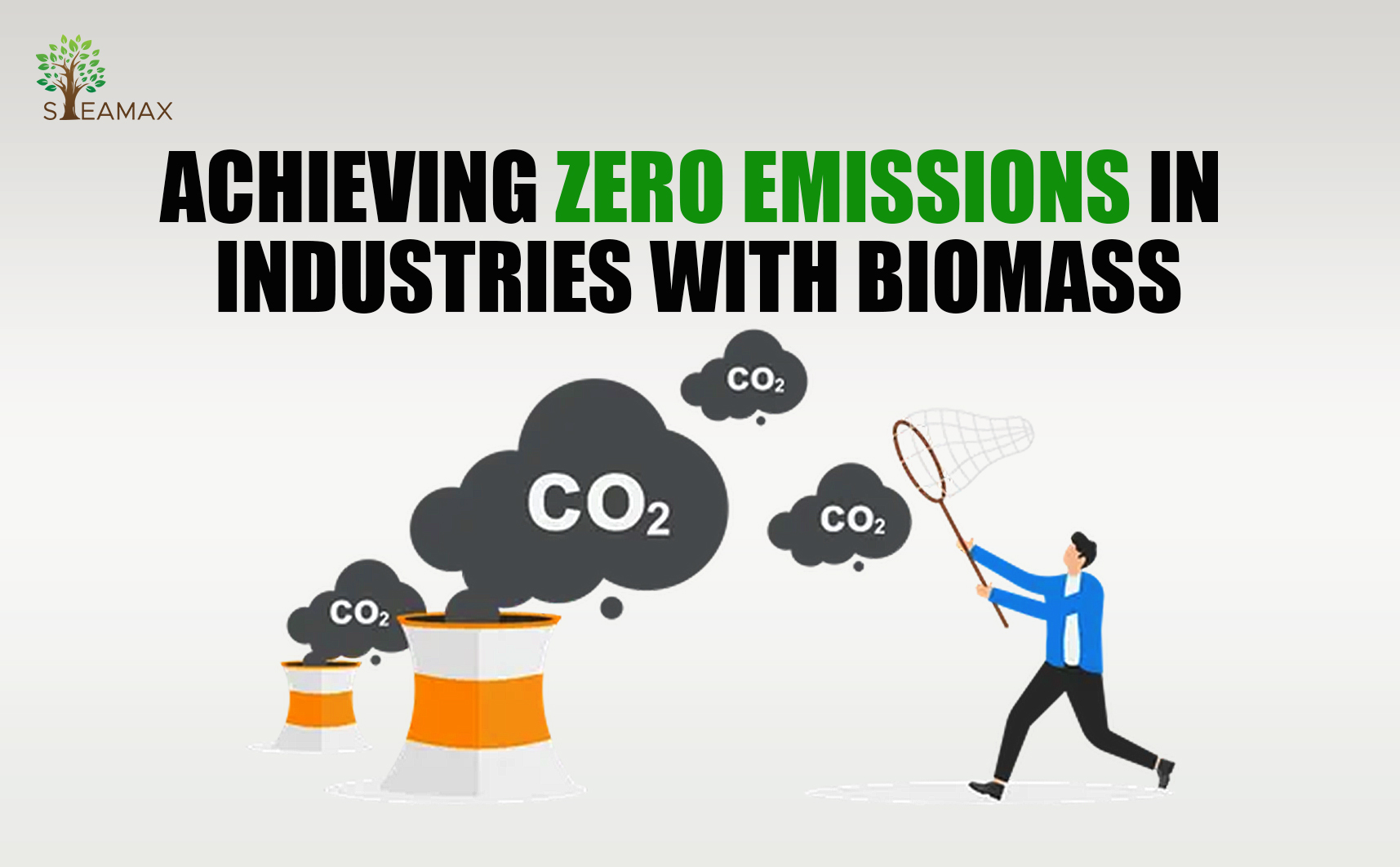
One of biomass’s main advantages is its carbon neutrality. Biomass only releases the amount of CO2 previously absorbed from the atmosphere during the plant’s growth cycle. It creates a closed carbon loop, unlike fossil fuels, which release CO2 stored for millions of years, increasing the total atmospheric carbon concentration.
Moreover, biomass combustion produces significantly fewer greenhouse gases than coal or natural gas. Some studies suggest that biomass can reduce CO2 emissions by up to 85% compared to traditional fossil fuels.
Types of Biomass Used for Steam Generation
Not all biomass are equal. Industries can use various types of biomass for steam generation, each with its unique benefits.
- Wood Pellets are among the most commonly used biomass fuels for boilers. They are dense, easy to handle, and have a high energy content, making them an efficient option for large-scale steam generation.
- Agricultural Waste includes byproducts such as corn stalks, rice husks, and sugarcane bagasse. These materials are often readily available and can be use to generate steam, contributing to agricultural waste reduction.
- Energy Crops: Crops like miscanthus and switchgrass are specifically grown for energy production. They can be harvested regularly, ensuring a sustainable supply of fuel.
- Biomass Briquettes: Unlike loose biomass, which can be challenging to store and transport, biomass briquettes are dense and easy to handle, offering higher energy efficiency and reduced storage costs.
- Biomass Fuels (e.g., Astillas): These specialize fuels are design to improve combustion efficiency and reduce emissions. They offer a more controlled burn, ensuring higher energy output and fewer pollutants.
Technology and Equipment for Biomass-Based Steam Generation
Industries need the right technology and equipment to adopt biomass for steam generation. Fortunately, significant advancements in biomass boilers and combustion systems have been made in recent years.
- Biomass Boilers: These are design to burn biomass fuels efficiently and safely. Modern biomass boilers offer high combustion efficiency, lowering operational costs and reducing emissions.
- Retrofitting Kits: Many industries already use oil- or gas-fired boilers. Fortunately, biomass retrofitting kits can convert these existing systems to run on biomass, saving the cost of completely replacing the boiler system.
- Autofuel Feeding Systems: These automated systems ensure that biomass is fed into the boiler at the correct rate, improving efficiency and reducing manual labour. They also reduce fuel waste by ensuring a steady and controlled fuel supply.
- Air Pollution Control Devices: Biomass combustion produces emissions like any fuel combustion. However, advanced bag filters and wet scrubbers can help remove particulate matter and pollutants from flue gases, ensuring the biomass boiler meets environmental standards.

Leading the Way with Steamax India
Industries across various sectors increasingly recognize the value of switching to biomass for steam generation, and Steamax India has been at the forefront of this transformation. We provide state-of-the-art biomass boiler solutions tailored to industries’ unique energy needs. From designing high-efficiency boilers that run on diverse biomass fuels like Astillas to Retrofitting solutions for existing systems, Steamax ensures a seamless shift to renewable energy.
Conclusion
The transition to biomass-based steam generation is an environmentally friendly choice and a strategic move that helps industries reduce costs, meet emissions targets, and contribute to a more sustainable future. By adopting biomass, industries can achieve zero emissions and enjoy long-term energy savings.