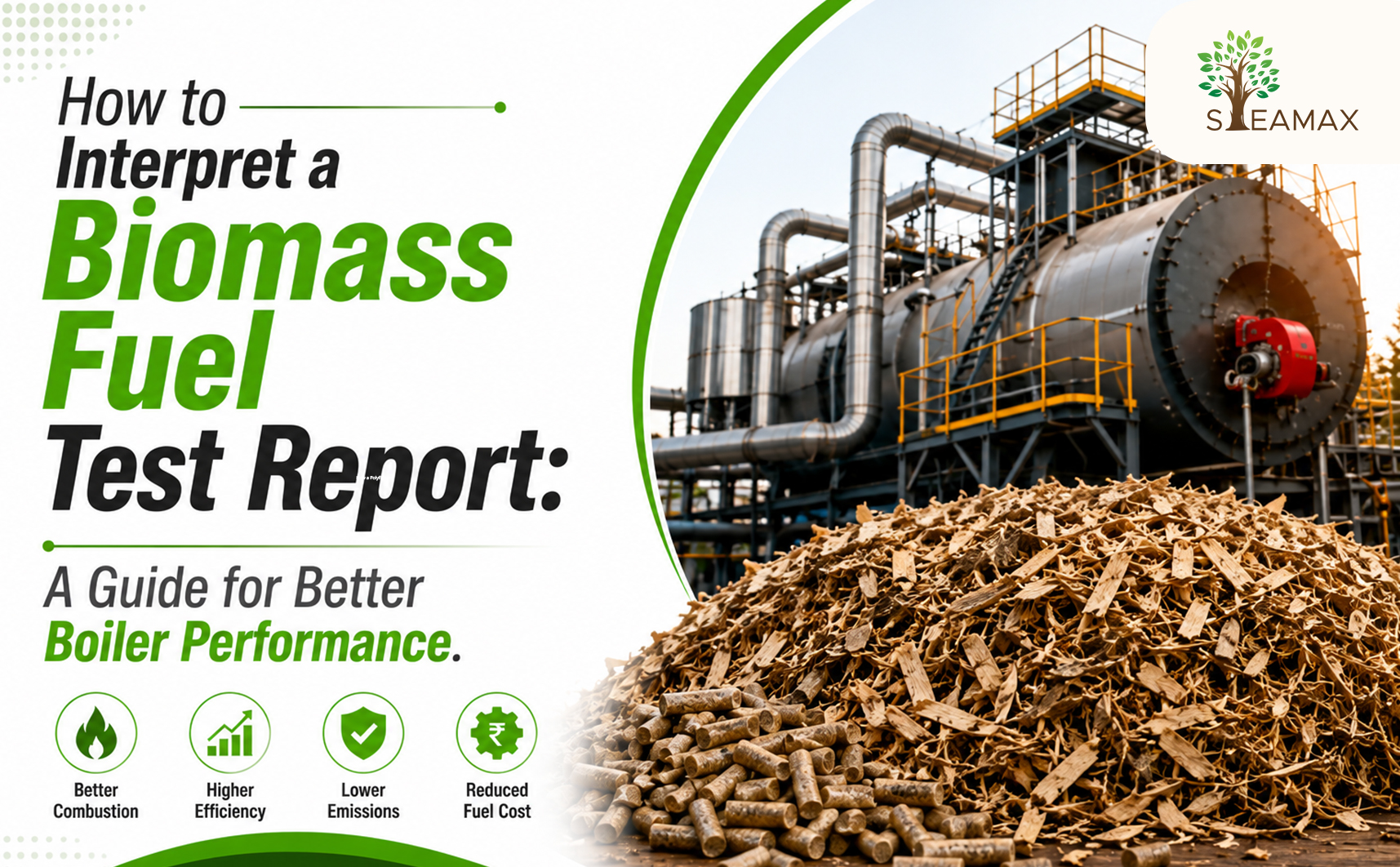
When a batch of biomass fuel arrives at your plant, it may look perfectly acceptable. But appearances don’t tell the whole story.
Two loads of biomass can look almost identical while delivering completely different boiler performance. One may burn efficiently and produce stable steam, while the other can lead to higher fuel consumption, clinker formation, and frequent cleaning.
That’s why a biomass fuel test report is so important. It helps you assess the quality of the fuel before it enters the boiler, allowing you to make informed operating decisions rather than relying on guesswork.
Why a Biomass Fuel Test Report Matters
The performance of a biomass boiler depends heavily on fuel quality.
A fuel test report helps industries:
- Estimate how much energy the fuel can produce.
- Identify potential combustion issues.
- Predict ash generation.
- Select the right fuel for the boiler.
- Improve combustion efficiency.
- Reduce maintenance and operating costs.
Key Parameters You Should Understand
A biomass fuel test report contains several values, but a few are particularly important for day-to-day boiler operation.
1. Moisture Content
Moisture indicates how much water is present in the fuel.
If moisture is too high, a significant amount of heat is wasted on evaporating water rather than producing steam. This results in higher fuel consumption and lower boiler efficiency.
On the other hand, extremely dry fuel can burn too quickly, creating localised hot spots inside the furnace.
Maintaining an appropriate moisture level helps achieve stable combustion.
2. Gross Calorific Value (GCV)
The Gross Calorific Value, or GCV, represents the amount of heat released when the fuel burns completely.
A higher GCV generally indicates that more energy is available per kilogram of fuel.
However, GCV should always be evaluated along with moisture and ash content, as these factors also influence actual boiler performance.
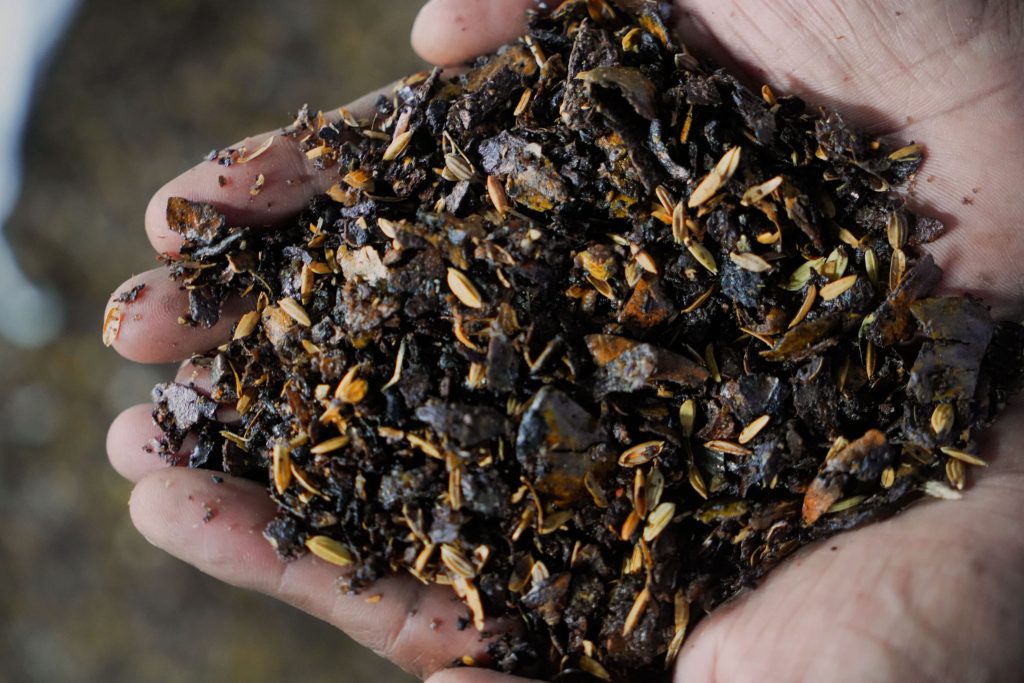
3. Ash Content
Ash is the non-combustible material left after the fuel burns.
Higher ash content can lead to:
- Increased ash handling
- More frequent boiler cleaning
- Greater risk of clinker formation
- Higher maintenance requirements
Choosing fuel with lower, more consistent ash content improves operational reliability.
4. Volatile Matter
Volatile matter refers to the portion of the fuel that vaporises when heated. Higher volatile matter generally allows easier ignition and quicker combustion.
However, combustion settings must be adjusted correctly to ensure these gases burn efficiently.
5. Fixed Carbon
Fixed carbon is the solid combustible material that remains after volatile gases are released.
It burns more slowly and provides sustained heat during combustion. The right balance between volatile matter and fixed carbon contributes to efficient furnace operation.
Why One Parameter Doesn’t Tell the Whole Story
Many buyers focus only on calorific value when comparing biomass fuels. While energy content is important, it is only one part of the picture.
A fuel with a slightly lower calorific value but lower ash and controlled moisture may perform better than a fuel with a higher GCV but poor combustion characteristics.
The best approach is to evaluate the complete fuel profile rather than relying on a single number.
How Biomass Fuel Quality Affects Boiler Performance
The values in a biomass fuel test report directly influence how your boiler operates.
Good-quality fuel typically results in:
- Stable steam generation
- Better combustion efficiency
- Lower fuel consumption
- Reduced clinker formation
- Less ash handling
- Longer equipment life
Poor-quality fuel can produce exactly the opposite results.
Use Fuel Reports to Make Better Decisions
A fuel test report should not be treated as a document that’s filed away after delivery.
Instead, it should become part of your routine boiler management.
Reviewing fuel quality regularly helps you:
- Compare different suppliers.
- Maintain consistent boiler performance.
- Identify fuel-related operational issues early.
- Optimise combustion settings.
- Control long-term operating costs.
Final Thoughts
Understanding key parameters such as moisture, calorific value, ash content, volatile matter, and fixed carbon enables industries to make better fuel choices and achieve more consistent combustion.
Want to get more value from your biomass fuel?
Steamax helps industries evaluate fuel quality, optimise combustion, and improve boiler performance through fuel testing, combustion analysis, and customised biomass solutions.
Contact Steamax today to make every kilogram of biomass count.