
Summary:
- This article explains the historical CAQM fuel-transition directions, the practical challenges industries face, and
- How Steamax’s OBR Kit and Astillas biomass fuel can support suitable industrial applications.
Delhi-NCR has long struggled with air pollution, particularly during the winter months. Industrial fuel consumption is one of several sources the region must address as it works to improve air quality.
In June 2022, the Commission for Air Quality Management (CAQM) issued directions concerning the use of approved fuels in industrial applications across Delhi-NCR. The directions restricted more polluting fuels and encouraged alternatives such as piped natural gas (PNG) and biomass, subject to applicable requirements.
The historical implementation deadlines included September 9, 2022, for industries in areas with an existing PNG supply network and December 31, 2022, for areas without such infrastructure.
However, moving away from coal and other conventional fuels isn’t always straightforward. Investment costs, fuel availability, and operating expenses can create challenges, particularly for small and medium-sized industries.
So, what alternatives can businesses consider? Let’s explore the role of biomass and the technologies that can make its industrial use more practical.
Barriers Delhi Industries Face When Adopting Cleaner Fuels
Although switching to cleaner fuels is an important step, industries must consider the practical and financial implications before making the change.
1. High Initial Investment
Switching from a coal- or coke-fired system to PNG may require substantial investment. Depending on the existing installation, expenses can include:
- PNG pipeline connections and infrastructure.
- A new gas-fired boiler or modifications to existing equipment.
- Burners, controls, and auxiliary systems.
- Installation, testing, and commissioning.
These costs can be particularly challenging for small and medium-sized enterprises.
2. PNG Supply and Infrastructure Limitations
Not every industrial area has the same level of gas infrastructure. Even where pipelines are available, industries must assess reliability, pressure, and contracted supply capacity.
Any interruption or limitation in fuel supply can affect production schedules and operating costs.
3. Operating Cost Concerns
The financial viability of PNG depends on factors such as gas prices, applicable taxes, transportation charges, and industrial consumption.
For businesses operating with tight production margins, these expenses can make a fuel transition difficult. Industries should therefore compare the total cost of useful heat rather than looking only at the price per unit of fuel.

Biomass: An Alternative for Industrial Energy
Biomass is another fuel option for industries looking to reduce their dependence on conventional fossil fuels.
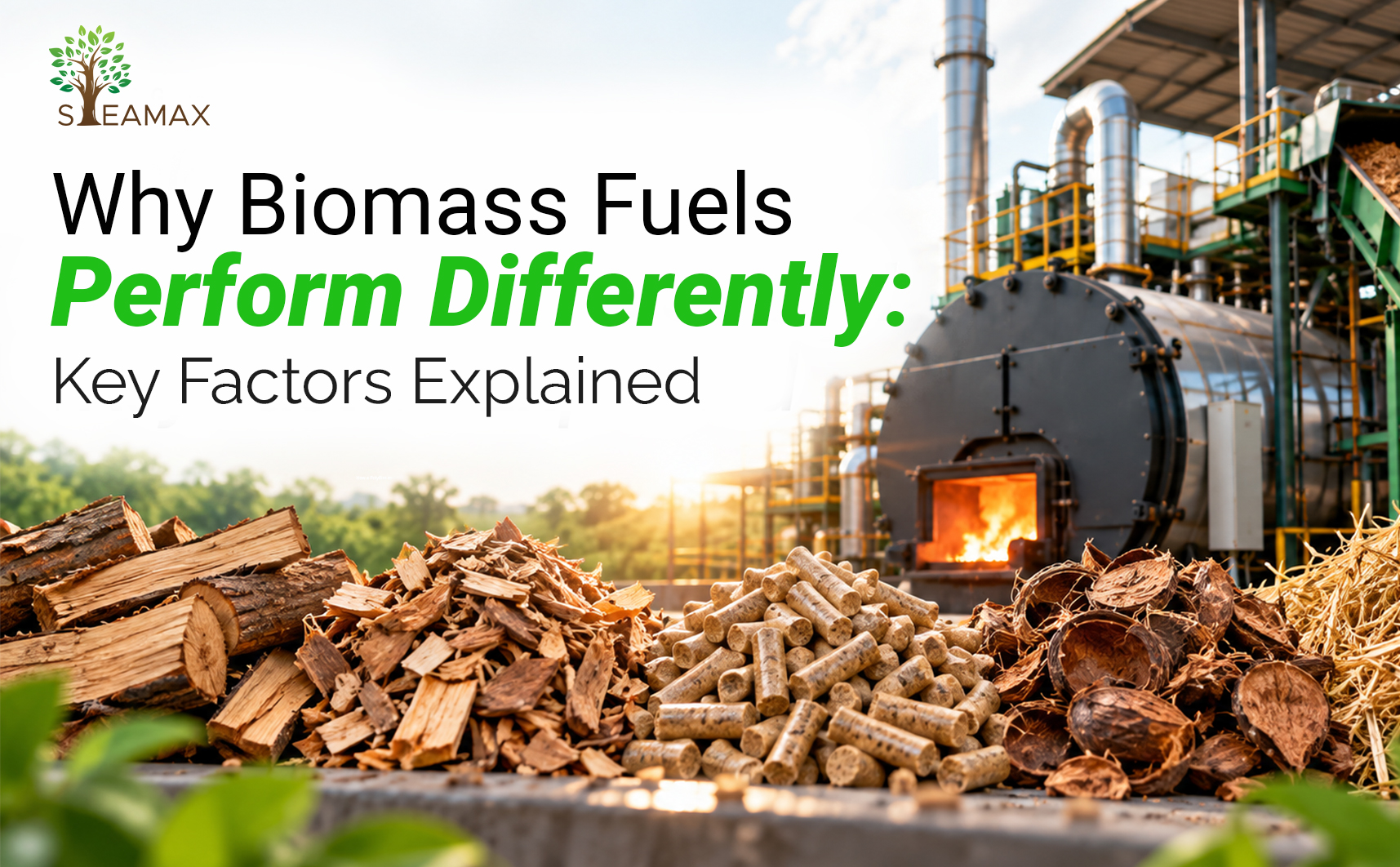
It can be produced from materials such as wood residues, agricultural waste, sawdust, and selected agro-industrial by-products. Using suitable residues can also create productive uses for biomass that might otherwise be discarded or burned in the open.
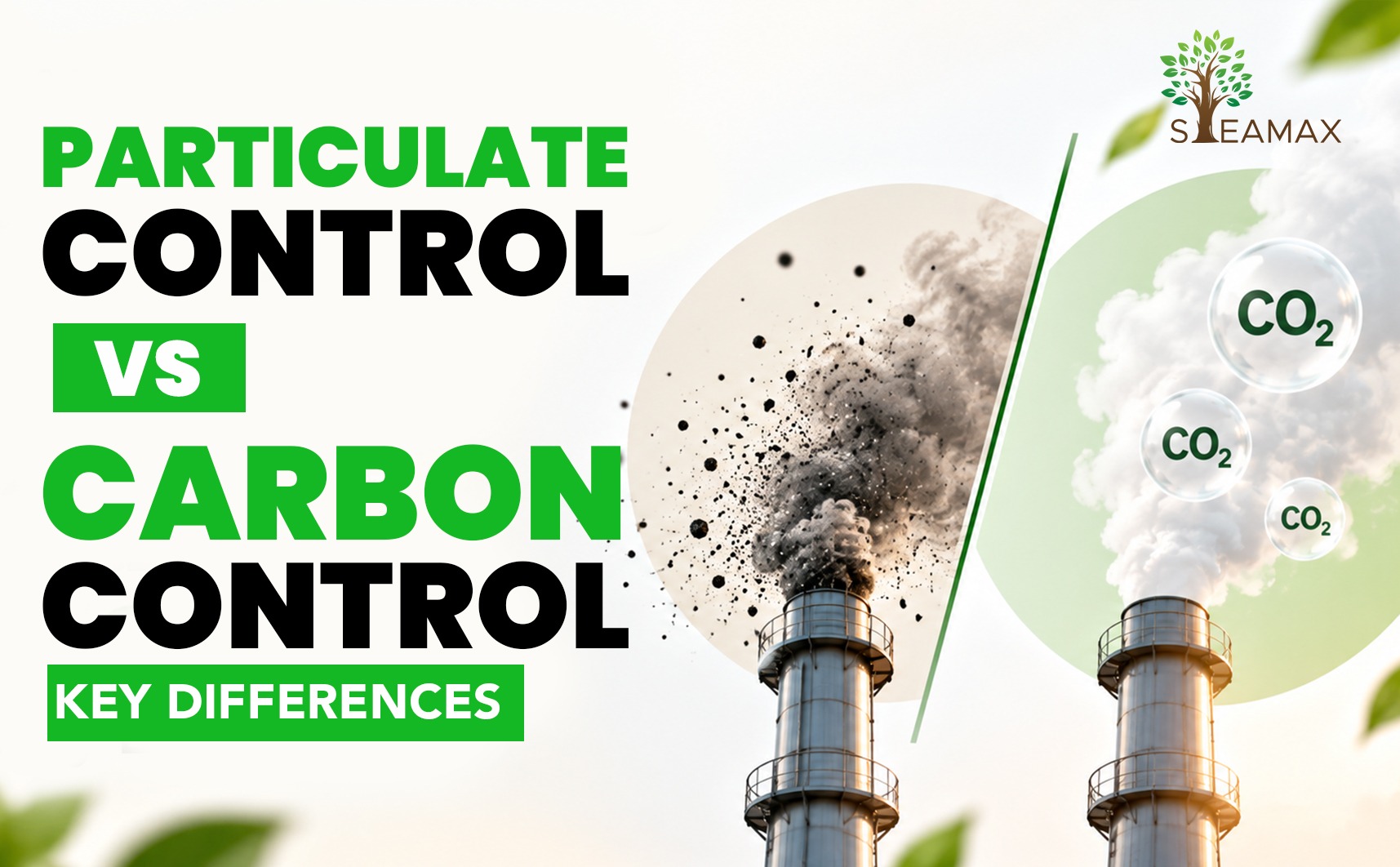
However, biomass isn’t automatically pollution-free. Its combustion releases carbon dioxide and can produce particulate matter and other pollutants. Fuel quality, combustion conditions, equipment design, and pollution-control systems all influence environmental performance.
For industries considering biomass, selecting the right fuel and combustion technology is essential.
How Steamax Helps Industries Transition to Biomass
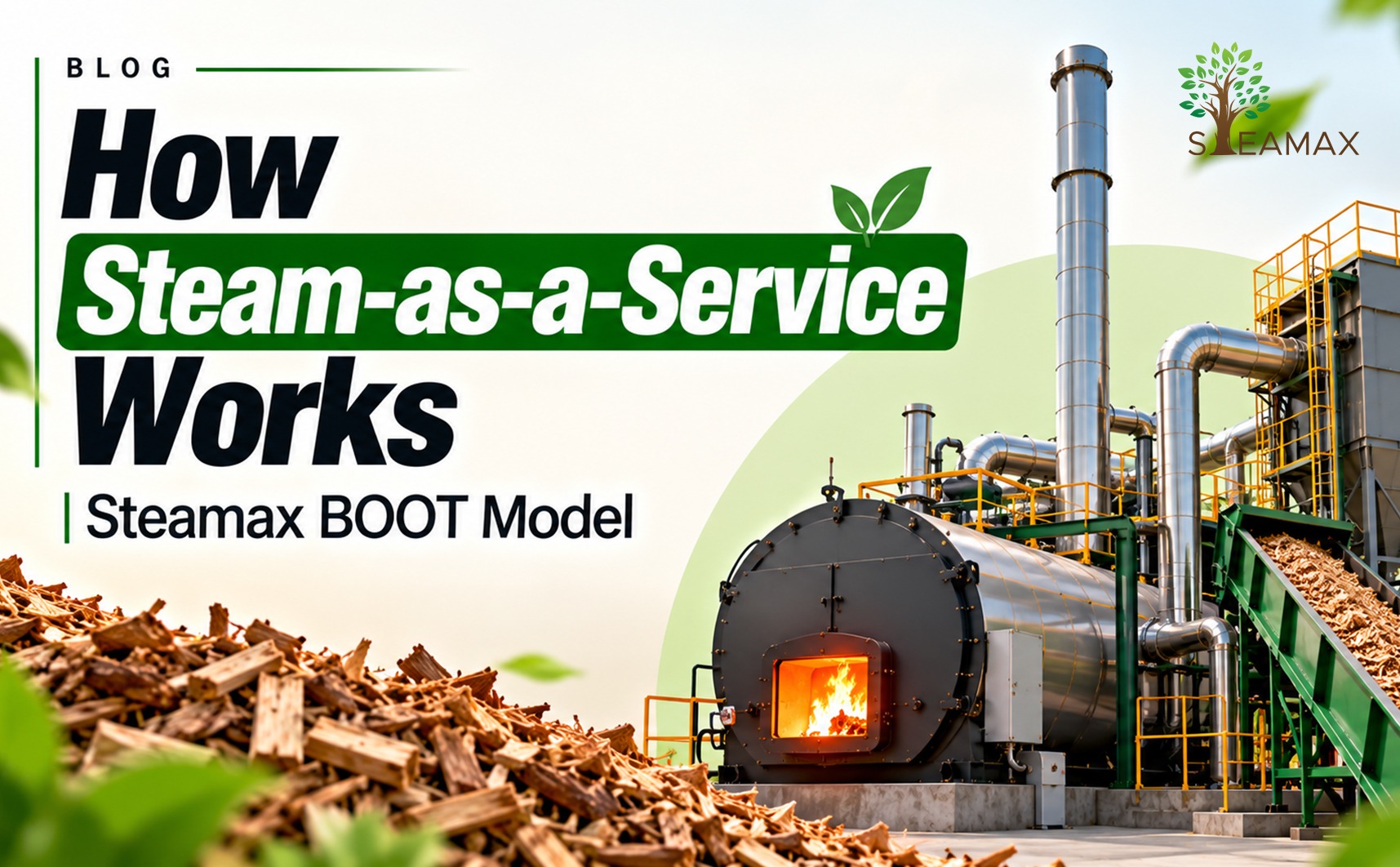
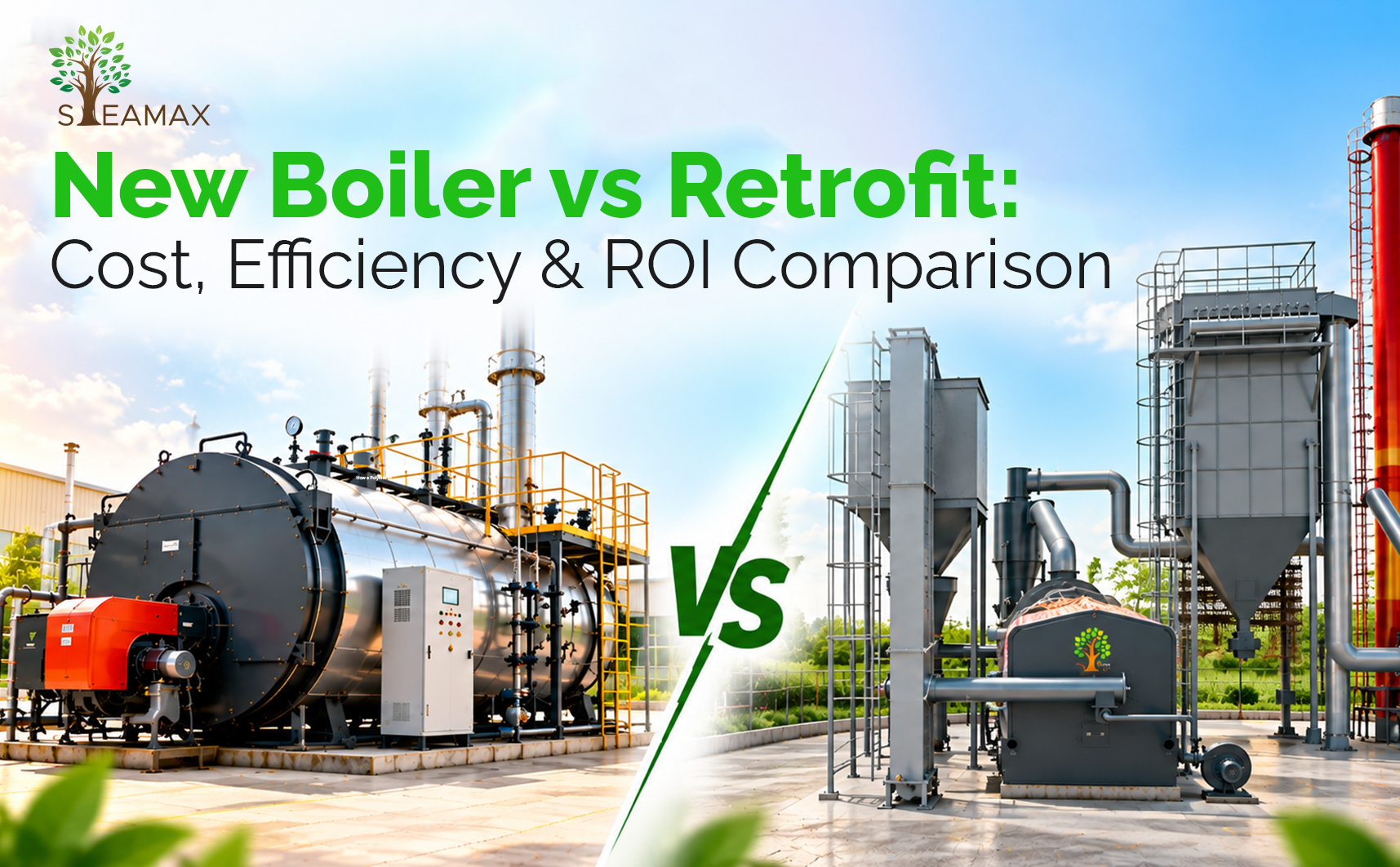
Steamax offers the Oil-to-Biomass Retrofit (OBR) Kit, designed to help suitable existing oil-fired boiler systems transition to biomass combustion.
Rather than replacing an entire boiler installation, a retrofit may allow industries to adapt existing equipment, depending on its design and technical condition.
1. Efficient Biomass Combustion
The OBR system is designed to support controlled biomass combustion. Proper fuel feeding and air management help maintain suitable combustion conditions.
Actual performance depends on the biomass characteristics, boiler configuration, operating practices, and maintenance.
2. Automatic Fuel-Feeding System
Manual fuel feeding can make it difficult to maintain a consistent supply to the combustion chamber.
Steamax’s OBR Kit incorporates an automatic feeding arrangement that controls biomass delivery. This can help support more consistent operation and reduce manual handling.
3. Emission-Control Equipment
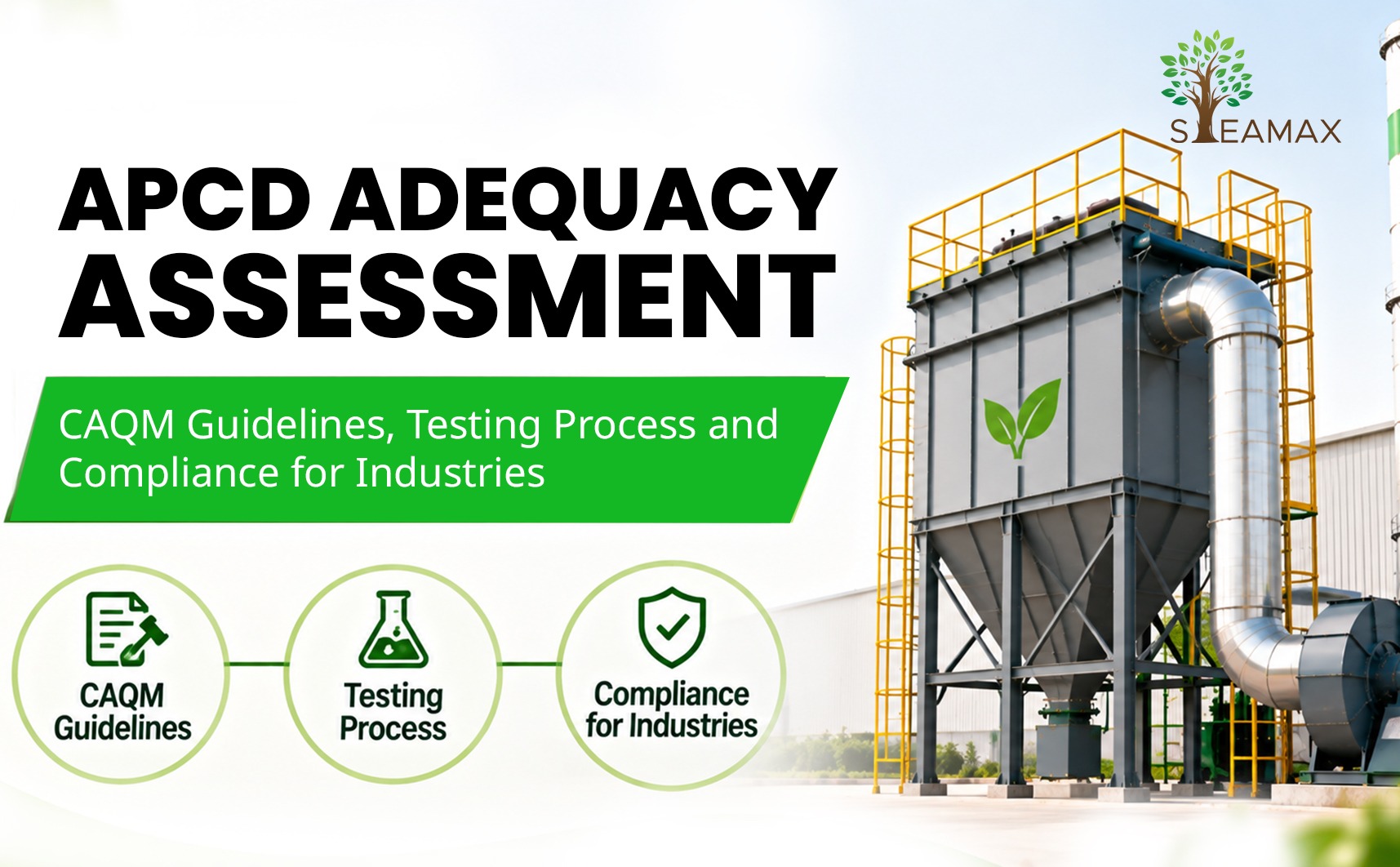
Controlling particulate emissions is an important part of industrial biomass use.
Depending on the application, Steamax can provide emission-control equipment such as:
- Cyclone separators: Remove larger particles from flue gases.
- Bag filters: Capture particulate matter using filtration media.
- Scrubbers: Help control selected pollutants through gas-treatment processes.
The appropriate combination depends on the fuel, boiler, exhaust characteristics, and applicable regulatory requirements. Industries should verify actual emissions through testing rather than relying on equipment specifications alone.
Choosing the Right Fuel Transition Strategy
Before switching to biomass or PNG, industries should evaluate more than the initial installation cost.
Important considerations include:
- Fuel availability: Confirm that the selected fuel can be supplied consistently.
- Fuel quality: Compare calorific value, moisture, ash, and particle size.
- Equipment compatibility: Check whether the existing boiler can be converted safely and economically.
- Emissions compliance: Identify the applicable standards and arrange emissions testing.
- Total operating cost: Include fuel, transportation, maintenance, labour, and ash handling.
Take the Next Step Towards Cleaner Industrial Energy
Delhi-NCR's transition towards cleaner industrial fuels requires practical solutions that balance environmental responsibility, operating costs, and production requirements. Biomass can be a useful alternative for suitable applications, but successful adoption depends on consistent fuel quality, compatible combustion equipment, and effective emission controls. Steamax supports this transition through its OBR Kit and Astillas biomass fuel. If your industry is evaluating a move towards biomass, the Steamax team can help assess your existing boiler and fuel requirements.
Visit the Steamax OBR Kit page or contact us to discuss your requirements.
Phone: +91 93151 24803
Email: info@steamaxindia.com