Category Biomass fuel

How Does One Biomass Fuel Perform Differently From Another?
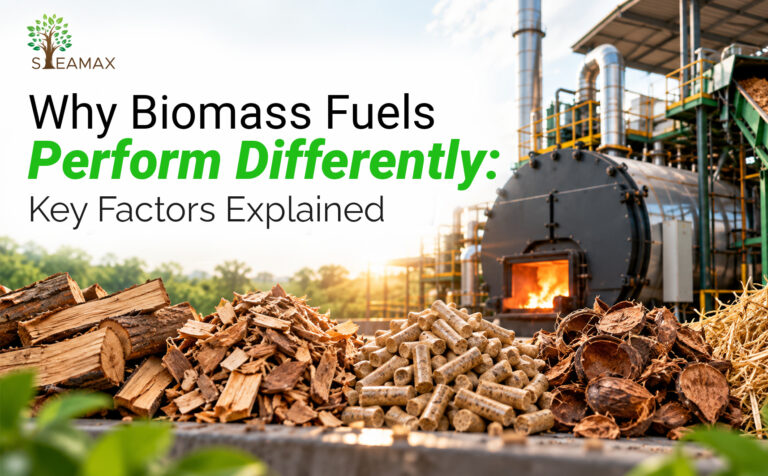
blog-cover-Why biomass fuels perform differently

Not all biomass fuels perform equally inside an industrial boiler. Differences in moisture, calorific value, ash content, particle size, and ash chemistry can affect combustion stability, heat output, and maintenance costs. Discover the key factors that determine biomass fuel performance and learn how to choose the right fuel for better boiler efficiency and economical steam generation.
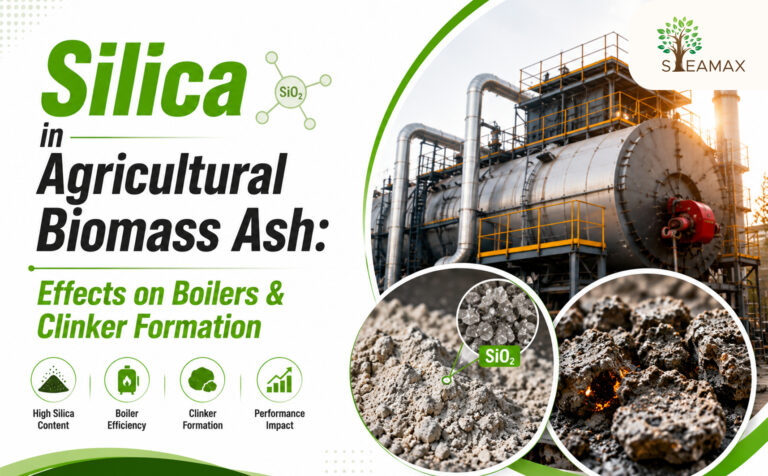

What Silica Do to Biomass Ash? A Practical Guide for Industries

Why do some agricultural biomass fuels create more clinker and ash deposits than others? Silica and its interaction with minerals such as potassium and sodium can influence ash melting behaviour and boiler performance. Learn how ash testing, fuel quality, and combustion control can help manage these challenges.

Why Industries Must Decarbonize Now?

Decarbonization is becoming a business necessity as carbon pricing, international regulations, and ESG expectations reshape global markets. Discover why delaying emission-reduction efforts can affect industrial costs and export competitiveness and explore practical ways manufacturers can reduce their carbon footprint through cleaner fuels, boiler retrofits, and energy efficiency improvements.

How Biomass Chemistry Impacts Energy Economics and Cost Reduction?

Is cheaper biomass really helping your plant save money? Not necessarily. Moisture, calorific value, ash content, volatile matter, and ash fusion temperature can significantly influence boiler efficiency and steam generation costs. Discover why understanding biomass chemistry is essential for choosing the right fuel, improving combustion, and achieving more predictable industrial energy economics.

Signs Your Biomass Boiler Is Wasting Energy: And How to Stop It?

Is your biomass boiler consuming more fuel but producing the same amount of steam? It could be quietly wasting energy. Discover seven warning signs of poor biomass boiler efficiency, including clinker formation, unstable steam pressure, high stack temperature, soot buildup, and incomplete combustion—and learn how regular inspection and optimisation can help control operating costs.