
Summary:
This article explores alternatives to petcoke and furnace oil, the challenges of changing industrial fuels, and how Steamax’s OBR Kit and Astillas biomass fuel may support the transition.
Industries have used fuels such as petcoke and furnace oil for manufacturing because of their energy content and established supply chains. However, their combustion can release sulphur oxides, particulate matter, and other pollutants, depending on fuel composition and operating conditions.
Environmental regulations may require industries to change their fuel choices. For businesses in West Bengal, selecting a suitable alternative means balancing compliance, operating costs, fuel availability, and equipment compatibility.
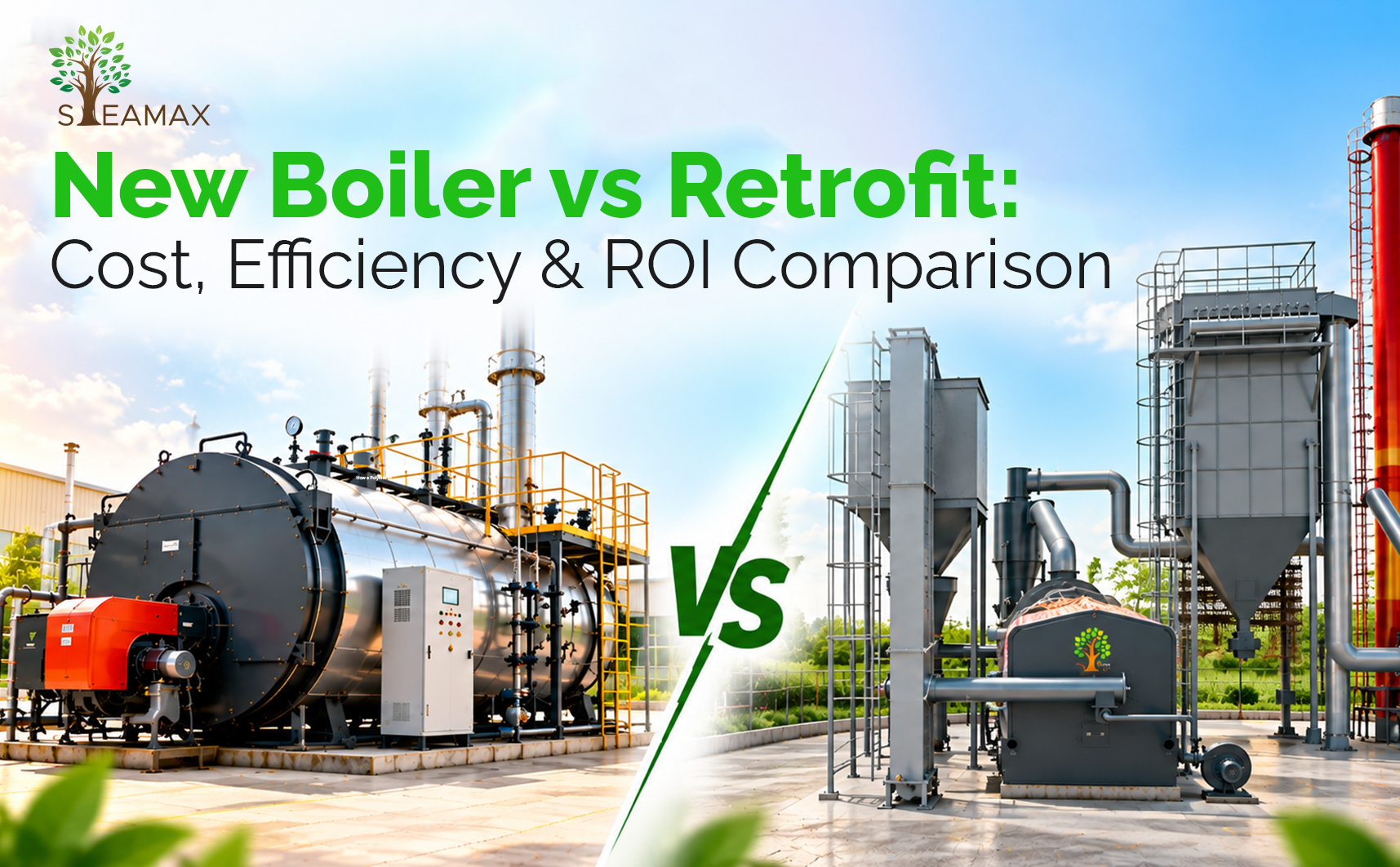
Steamax offers an Oil to Biomass Retrofit (OBR) Kit designed to help compatible industrial boilers transition from oil to biomass without necessarily replacing the entire system.
Cleaner Alternatives to Petcoke and Furnace Oil
Depending on the industry, equipment, and applicable regulations, alternative fuels may include:
- Piped Natural Gas (PNG) and Liquefied Natural Gas (LNG): Gas fuels can offer controlled combustion but may require suitable infrastructure.
- Liquefied Petroleum Gas (LPG): Used in selected industrial heating applications.
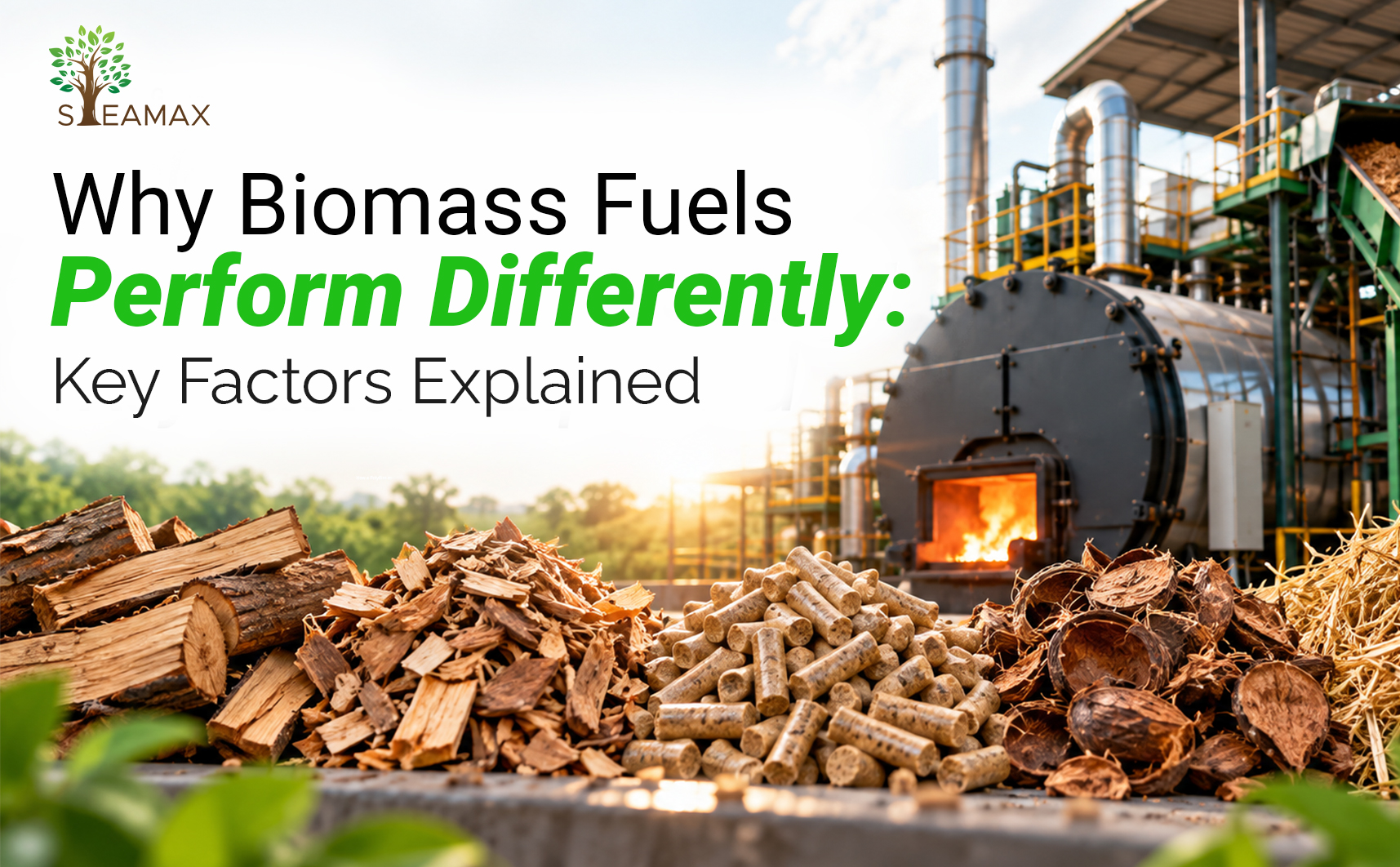
- Biomass: Includes suitable wood-based fuels, agricultural residues, pellets, briquettes, and other biomass blends.
- Refuse-Derived Fuel (RDF): Processed waste-derived fuel that can be used in certain industrial applications where permitted.
- Diesel and Light Diesel Oil (LDO): May be alternatives for specific applications, subject to applicable regulations and economics.
- Coal-bed methane and Compressed Natural Gas (CNG): Their suitability depends on the installation, fuel supply, and regulatory requirements.
Important: Not every fuel is permitted for every industry or location. Businesses should confirm current West Bengal Pollution Control Board (WBPCB) requirements and any applicable conditions before switching.
Challenges of Switching Industrial Fuels
Moving away from an existing fuel can be complicated. A conventional boiler or furnace may not be designed to handle a different fuel without modifications.
Common challenges include:
- Capital expenditure: new boilers, burners, storage systems, and fuel-handling equipment can require significant investment.
- Production downtime: Installation and commissioning may temporarily interrupt operations.
- Fuel consistency: Moisture, calorific value, particle size, and ash content can affect performance.
- Operating costs: A lower price per kilogram does not necessarily mean a lower cost per unit of useful heat.
A retrofit may be worth evaluating when existing equipment is suitable for conversion.

How Steamax’s OBR Kit Helps
Steamax’s Oil to Biomass Retrofit Kit is designed to convert compatible oil-fired industrial boilers to biomass.
Its key features can include:
- Automatic fuel feeding: Reduces the need for manual fuel handling.
- Ash removal: Automated ash handling can simplify routine operations.
- Potential cost savings: Biomass may lower fuel costs when its cost per unit of useful heat is competitive.
- Retaining existing equipment: A suitable boiler may be converted instead of replaced entirely.
- Fuel supply support: Arrangements can help businesses manage biomass availability and consistency.
Steamax has reported fuel-cost savings of up to 50% for some applications. Actual results depend on fuel prices, boiler efficiency, biomass quality, operating hours, and maintenance costs.
Petcoke vs. Biomass: What Should Industries Compare?
| Factor | Petcoke | Biomass Fuel |
|---|---|---|
| Origin | Petroleum refining byproduct | Plant-based materials and residues |
| Sulphur Content | Can be high; check fuel analysis | Varies by biomass type and blend |
| Combustion Emissions | Can produce significant sulphur oxides and particulates | Depends on fuel composition and combustion conditions |
| Fuel Consistency | Depends on grade and supplier | Depends on feedstock, moisture, and processing |
| Equipment Requirements | Requires a compatible combustion system | May require changes to feeding and combustion systems |
| Environmental Impact | Fossil-derived fuel | Depends on sustainable sourcing, processing, transport, and use |
Explore Biomass Solutions with Steamax
Fuel restrictions can create challenges, but they also provide an opportunity to review industrial energy systems. Steamax’s OBR Kit and Astillas biomass fuel offer eligible businesses options for moving away from fossil fuels.
Contact Steamax to discuss your requirements
Phone: +91 93151 24803
OBR Kit: Learn more
Astillas Biomass Fuel: View product details
Contact Page: Get in touch