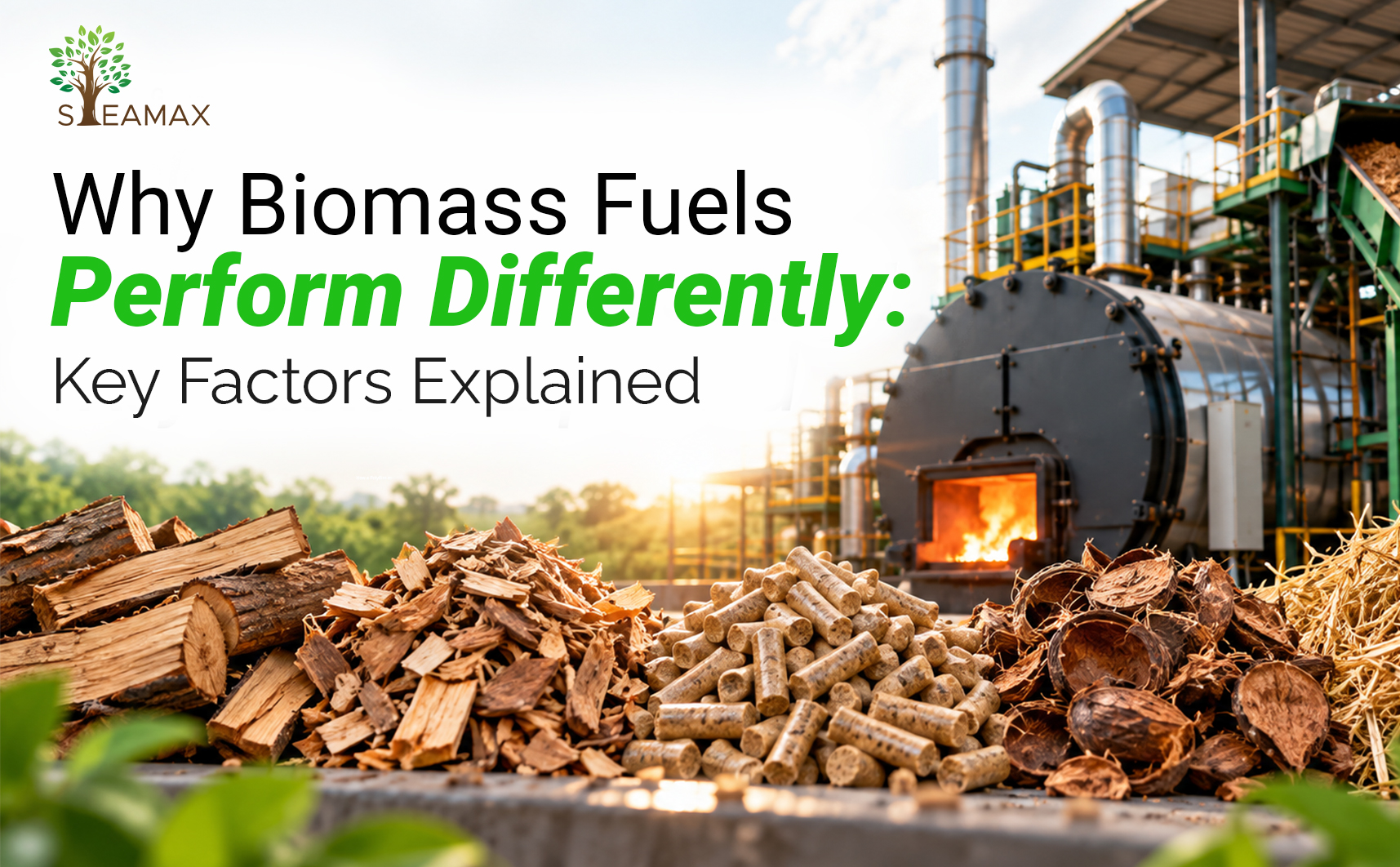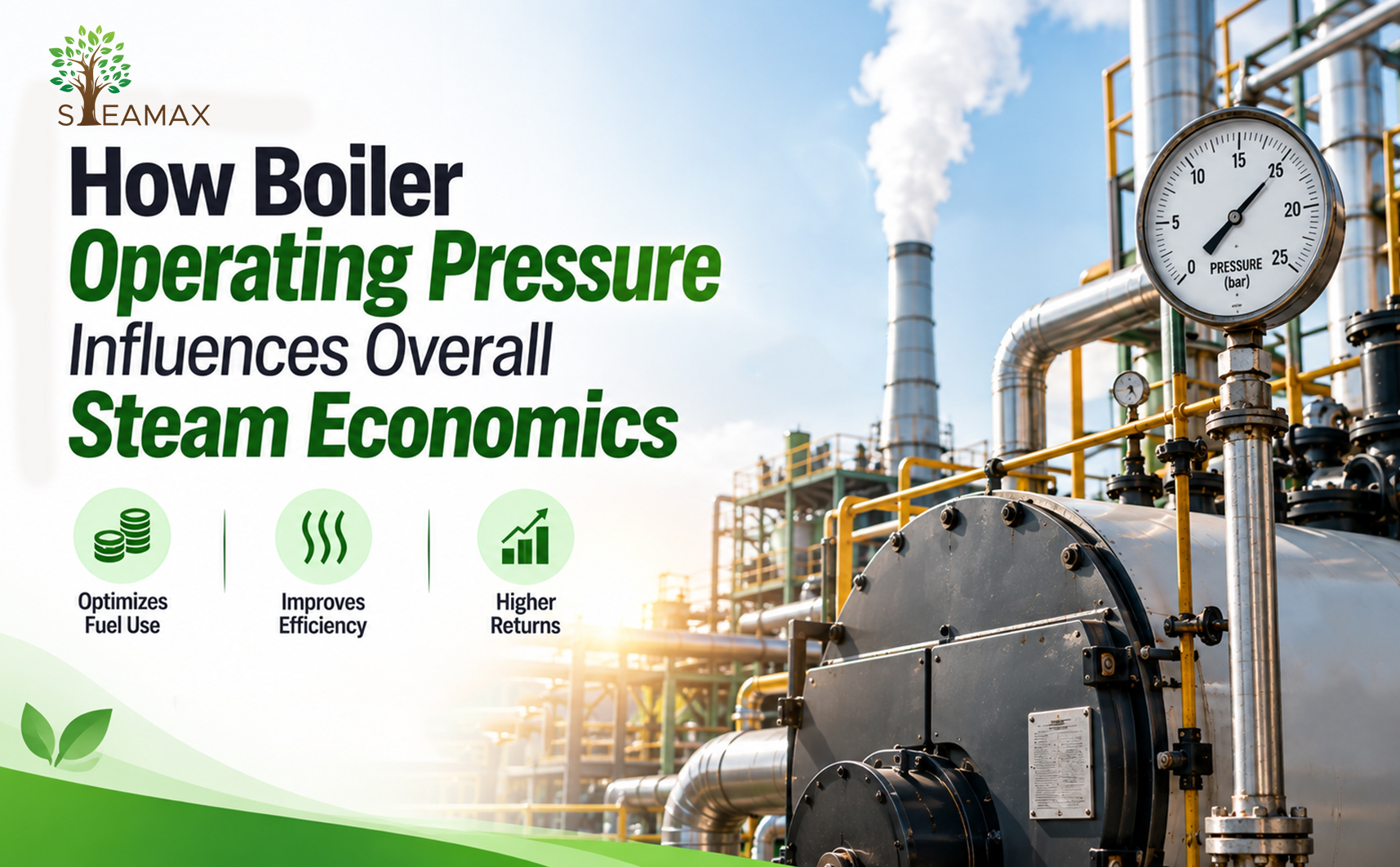

Biomass fuels are becoming an increasingly popular alternative to conventional fossil fuels as industries look for renewable energy options. However, not all biomass fuels perform the same. Their quality depends on several factors, including calorific value, ash content, particle size, composition, and, importantly, moisture content.
Moisture is one of the most critical factors when selecting biomass fuel for boilers and industrial heating systems. Depending on the material and storage conditions, biomass can contain anywhere from 5% to 60% moisture by weight.
But why does moisture matter so much? High water content can reduce the useful heat obtained from fuel, affect combustion, and increase handling and transportation costs.
This article explores how moisture content affects wood fuel quality and why maintaining suitable moisture levels is essential for efficient biomass utilisation.
The Role of Moisture in Determining Biomass Fuel Quality
Moisture content refers to the amount of water present in biomass relative to its total weight. It directly affects how much useful energy a fuel can deliver and how it behaves during combustion.
Here are four important ways moisture influences biomass fuel quality.
1. Reduces Calorific Value
Water doesn’t contribute to the fuel’s heating value. When wet biomass is burned, part of the released energy is used to evaporate the moisture before the fuel can provide useful heat.
As moisture increases, the useful energy available per kilogram of fuel generally decreases. This means industries may need to consume more wet biomass to generate the same amount of heat.
2. Affects Combustion Efficiency
Efficient biomass combustion requires suitable temperatures and an adequate air supply.
When fuel contains excessive moisture, evaporation absorbs heat and can lower furnace temperature. Depending on the combustion system, this may lead to unstable burning, incomplete combustion, increased fuel consumption, and higher emissions of carbon monoxide and particulate matter.
Maintaining suitable moisture levels helps support more stable combustion, although equipment design and operating conditions also play an important role.
3. Creates Storage and Handling Challenges
Biomass can absorb moisture from the surrounding environment, particularly when stored in humid or poorly ventilated conditions.
Excess moisture can encourage biological degradation, mould growth, and changes in fuel quality. It can also cause handling difficulties in some storage and feeding systems.
To maintain fuel quality, industries should store biomass in dry, covered areas and protect it from rain and ground moisture.
4. Increases Transportation Costs
High-moisture biomass contains more water weight and less usable energy per kilogram. As a result, businesses may pay to transport water rather than fuel.
This can increase transportation costs, particularly when biomass is sourced from distant locations. Drying and processing fuel closer to its source may help improve transportation economics.
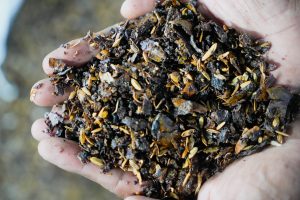
The Role of Moisture in Determining Fuel Quality
Moisture content is a critical factor that influences the combustion properties of biomass fuel, impacting its overall quality in several ways:
- Reduction in Calorific Value: High moisture content diminishes biomass fuel’s calorific value. Water does not contribute to the fuel’s energy output, so the higher the water content, the lower the calorific value. During combustion, much energy is wasted in evaporating the water rather than generating heat.
- Impact on Combustion Efficiency: For biomass fuel to burn efficiently, it must undergo complete combustion. High moisture content can hinder this process, as the water in the fuel absorbs heat and lowers the combustion temperature, resulting in inefficient fuel use and increased emissions.
- Challenges in Storage and Handling: Biomass fuels can absorb moisture from their surroundings, especially when stored in humid environments. This absorption can degrade fuel quality over time, making it less effective for combustion.
- Increased Transportation Cost: Due to its added weight, transporting biomass fuel with a high moisture content is less economical. Relying on fossil fuels for transportation contributes to greenhouse gas emissions, making the process less environmentally friendly.
Maintaining a low moisture content is crucial to ensuring high-quality biomass fuel. The optimal moisture level depends on the type of biomass fuel and its intended use, but less than 20% is generally recommended.
Why Steamax Astillas Stands Out
Steamax has developed Astillas, a processed biomass fuel designed for industrial heating applications. Its stated fuel characteristics address practical challenges associated with high-moisture biomass.
- Superior Combustion Characteristics: Astillas have a high calorific value of over 4200 Kcal/kg and a low moisture content of less than 10%. These features contribute to more efficient combustion, maximizing energy output.
- Clean Burning: Astillas burn wholly and cleanly, leaving no black or acidic smoke. It reduces the environmental impact and ensures safer, more efficient energy production.
- Consistency and Reliability: Manufactured from industrial waste, Astillas is available year-round, with consistent properties that don’t change with the season. It makes it a reliable fuel source for various applications.
- Cost-Effective and Versatile: Astillas are produced using low-cost local biomass sources. This versatility and its low cost make it an attractive option for industries seeking to transition to biomass.
Comparison of different biomass fuels
|
Parameter |
Briquettes |
Wood Chips |
Biomass Pellets |
Agricultural Residues |
Steamax Astillas |
|---|---|---|---|---|---|
|
Moisture content |
10–20% |
20–60% |
5–10% |
10–30% |
Below 10% |
|
Calorific value (kcal/kg) |
2,500–4,000 |
2,500–4,000 |
3,800–4,500 |
2,500–3,500 |
Above 4,200 |
|
Ash content |
3–20% |
Below 3% |
1–5% |
5–20% |
Below 2% |
|
Bulk density |
High |
Low |
High |
Low |
Approx. 330 kg/m³ |
|
Fuel feeding |
Manual/automatic |
Manual/automatic |
Automatic |
Usually manual |
Depends on system configuration |
|
Storage requirements |
Dry storage |
Covered, dry storage |
Dry storage |
Dry storage |
Covered, dry storage |
Choose Biomass Fuel with the Right Moisture Content
Moisture content directly affects biomass fuel performance. Excess water can reduce useful calorific value, affect combustion stability, increase transportation costs, and create storage challenges. For industrial users, selecting biomass fuel with suitable, consistent moisture levels is an important step toward reliable heating operations. Steamax Astillas, with its stated moisture content below 10% and calorific value above 4,200 kcal/kg, offers an option worth evaluating for compatible industrial applications.
Want to know whether Astillas is suitable for your boiler or heating system?
Contact Steamax to discuss your fuel requirements.
Phone: +91 93151 24803
Email: info@steamaxindia.com