Natural gas is often touted as a cleaner-burning fossil fuel than coal and oil. While it does produce fewer emissions than these other fuels, it’s far from an ideal option. Natural gas combustion and production still negatively impact the environment and human health, making it clear that transitioning to sustainable energy sources is essential.
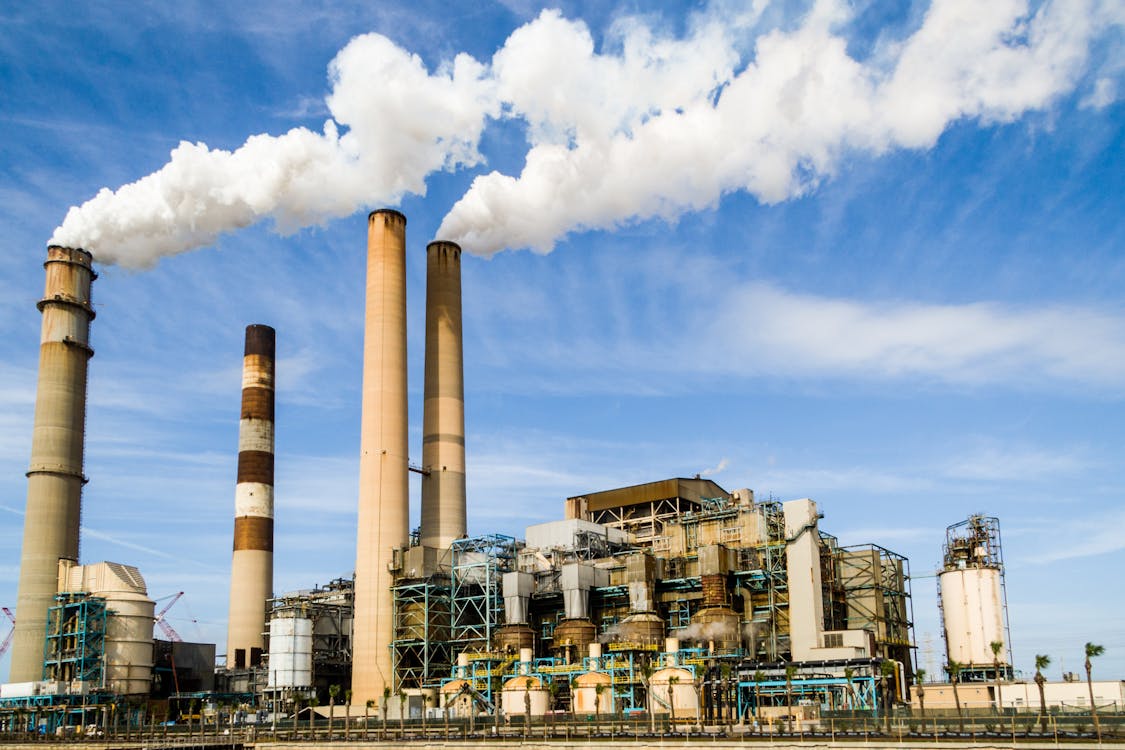
The Disadvantages of Using Gas as a Fuel
- Impacts of Extraction :Natural gas extraction, mainly through hydraulic fracturing or “fracking,” can lead to significant environmental damage, including groundwater contamination and habitat disruption.
- Health Impacts:Burning natural gas releases pollutants that can harm human health. These emissions can contribute to respiratory issues, cardiovascular problems, and even an increased risk of cancer.
- Dependence on Fossil Fuels:Relying on natural gas as a primary energy source perpetuates our dependence on fossil fuels, slowing the transition to renewable energy and sustainable practices.
- Infrastructure Costs:The infrastructure required for producing, transporting, and distributing natural gas is costly. These expenses can affect consumers and producers, affecting the overall environmental and economic footprint.
- Greenhouse Gas Emissions: In addition to CO2 emissions, natural gas extraction, production, and transportation can result in methane emissions. Methane is a potent greenhouse gas with a significantly higher global warming potential than CO2.
The only way to achieve net-zero emissions is by utilizing renewable and carbon-neutral technologies. Biomass is an alternative, offering a sustainable energy source that can replace fossil fuels in industrial applications. Steamax is at the forefront of this transition with its Oil to Biomass Retrofit (OBR) Kit.

The Oil to Biomass Retrofit Kit: A Sustainable Solution
Oil to Biomass Retrofit Kit allows existing oil-fired heating systems to be converted to burn biomass fuel, offering several key benefits:
- Automatic Fuel-Feeding System: The OBR kit includes an automatic fuel-feeding system that optimizes combustion by controlling the fuel feed rate and air supply. This system ensures more complete combustion, reducing pollution emissions and improving efficiency.
- Compatibility with Multiple Biomass Fuels: The OBR kit is compatible with various biomass fuels, providing flexibility. If government norms change to restrict biomass usage, the system can be quickly revert to gas or diesel within a few hours.
- Compliance with Emission Norms: The kit is design to meet government emission standards without requiring modifications to pressure parts. This means there’s no need for additional approval from the Indian Boiler Regulations (IBR) or the Pollution Control Board (PCB).
Conclusion
While natural gas remains a widely utilized fossil fuel with some advantages over coal and oil, its environmental and health impacts must be addressed. As we work towards reducing our reliance on fossil fuels, transitioning to cleaner, more sustainable energy sources like biomass is essential. Contact us today to learn more about how we can help you transition to a cleaner energy source.