
Summary
- This blog explores the impact of industrial air pollution and the role industrial boilers play in fuel consumption and emissions.
- It introduces Steamax’s OBR Kit as a retrofit option for suitable oil-fired boilers, highlighting automation, fuel flexibility, and pollution-control systems.
Climate change and air pollution are two major challenges for industries and communities worldwide. Industrial activity drives economic growth, but emissions from factories, power generation, transport, and other sources can affect air quality and public health.
Mumbai’s air quality, for example, came under scrutiny in December 2022 when its Air Quality Index (AQI) reached 293 on December 18, placing it in the Poor category and close to the Very Poor range. Construction dust, vehicle emissions, industrial activity, and weather conditions can all worsen urban air quality.
Read the historical report on Mumbai’s air quality.
The Impact of Industrial Air Pollution
Industrial pollution can affect air, water, and land. Its impact depends on the industry type, production process, fuel used, emission controls, and local environmental conditions.
According to the Centre for Science and Environment, industrial pollution remains an important environmental concern in India.
Some of its major effects include:
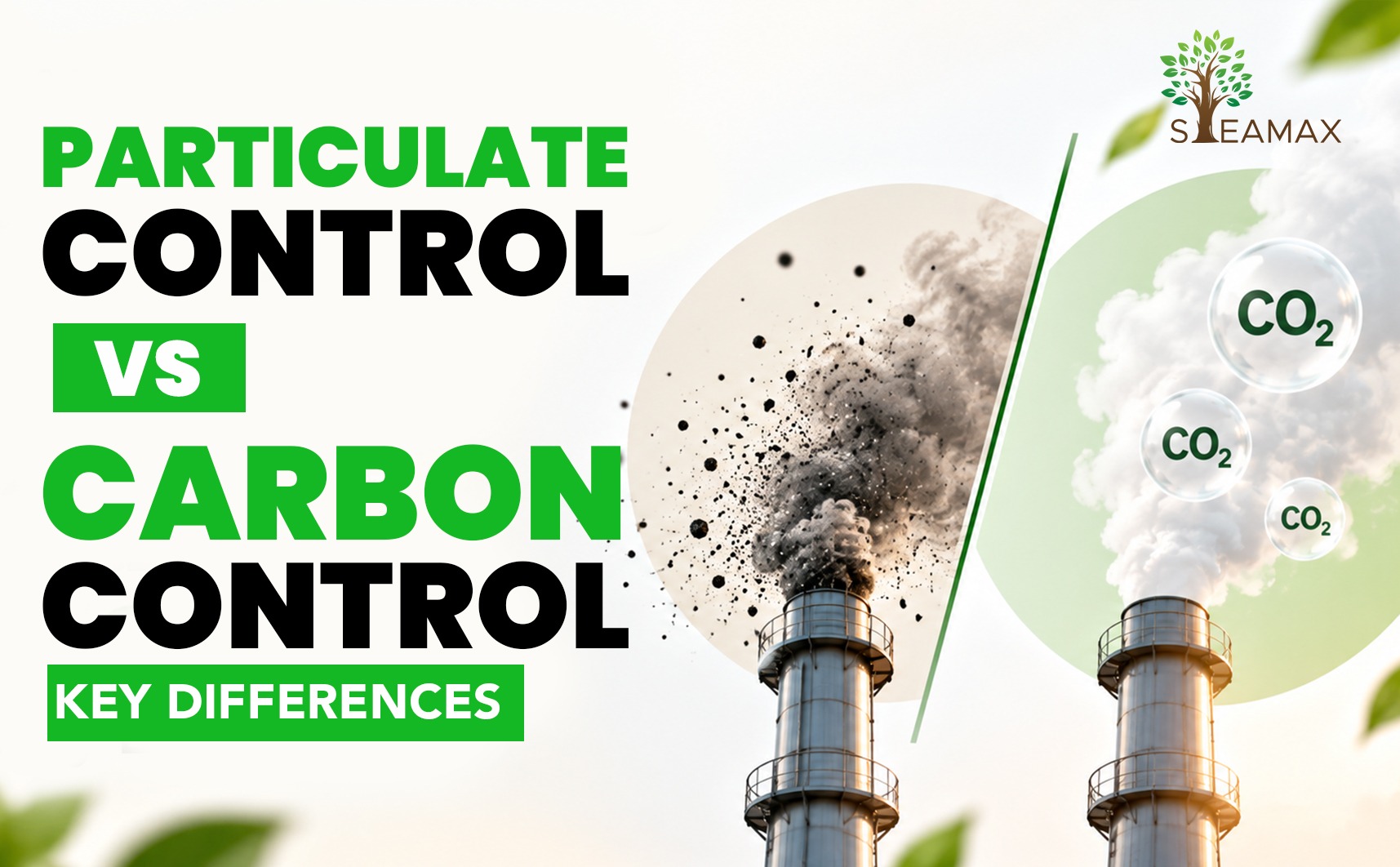
- Greenhouse gas emissions: Industrial activities release carbon dioxide (CO₂), methane (CH₄), and other greenhouse gases, contributing to climate change.
- Health risks: Particulate matter and gaseous pollutants can worsen respiratory and cardiovascular conditions. Some industrial pollutants can also contribute to smog and acid deposition.
- Damage to ecosystems: Air pollution can affect vegetation, soil, water quality, and wildlife habitats.
- Infrastructure damage: Certain pollutants can accelerate corrosion and damage buildings, equipment, and other structures.

Steamax’s Solution: Oil to Biomass Retrofit Kit (OBR)
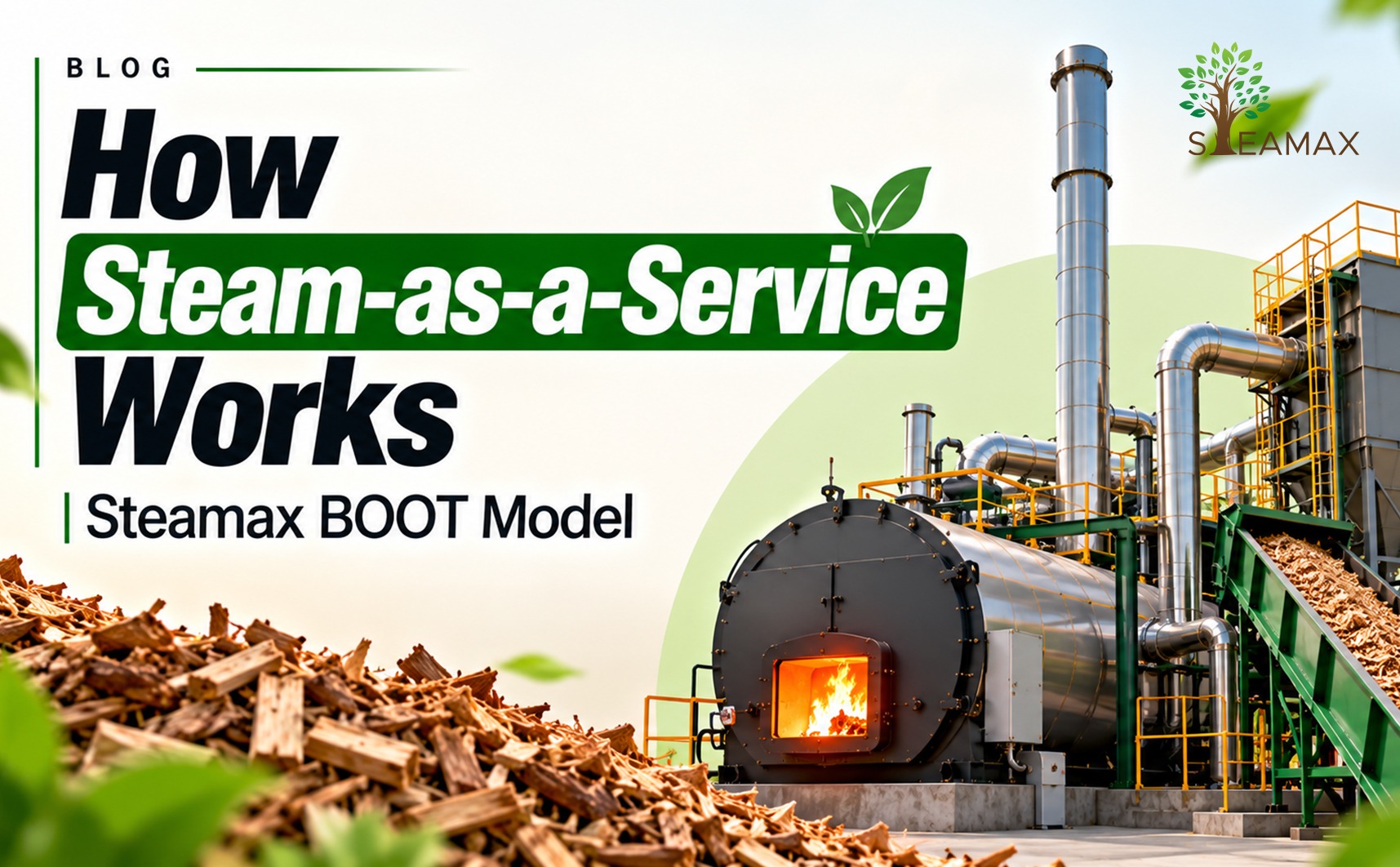
Steamax’s Oil to Biomass Retrofit Kit (OBR) is designed to help suitable existing oil-fired boiler systems transition to biomass fuel without necessarily replacing the complete boiler.
The system incorporates biomass feeding, combustion, and pollution-control arrangements. Its key features include:
1. Automatic Fuel Feeding
The OBR Kit uses an automatic fuel-feeding arrangement to deliver biomass into the combustion system at a controlled rate. Consistent feeding helps maintain stable furnace conditions and reduces the manual handling associated with traditional biomass firing.
Combustion performance still depends on fuel quality, air supply, system settings, and maintenance.
2. Flexible Fuel Options
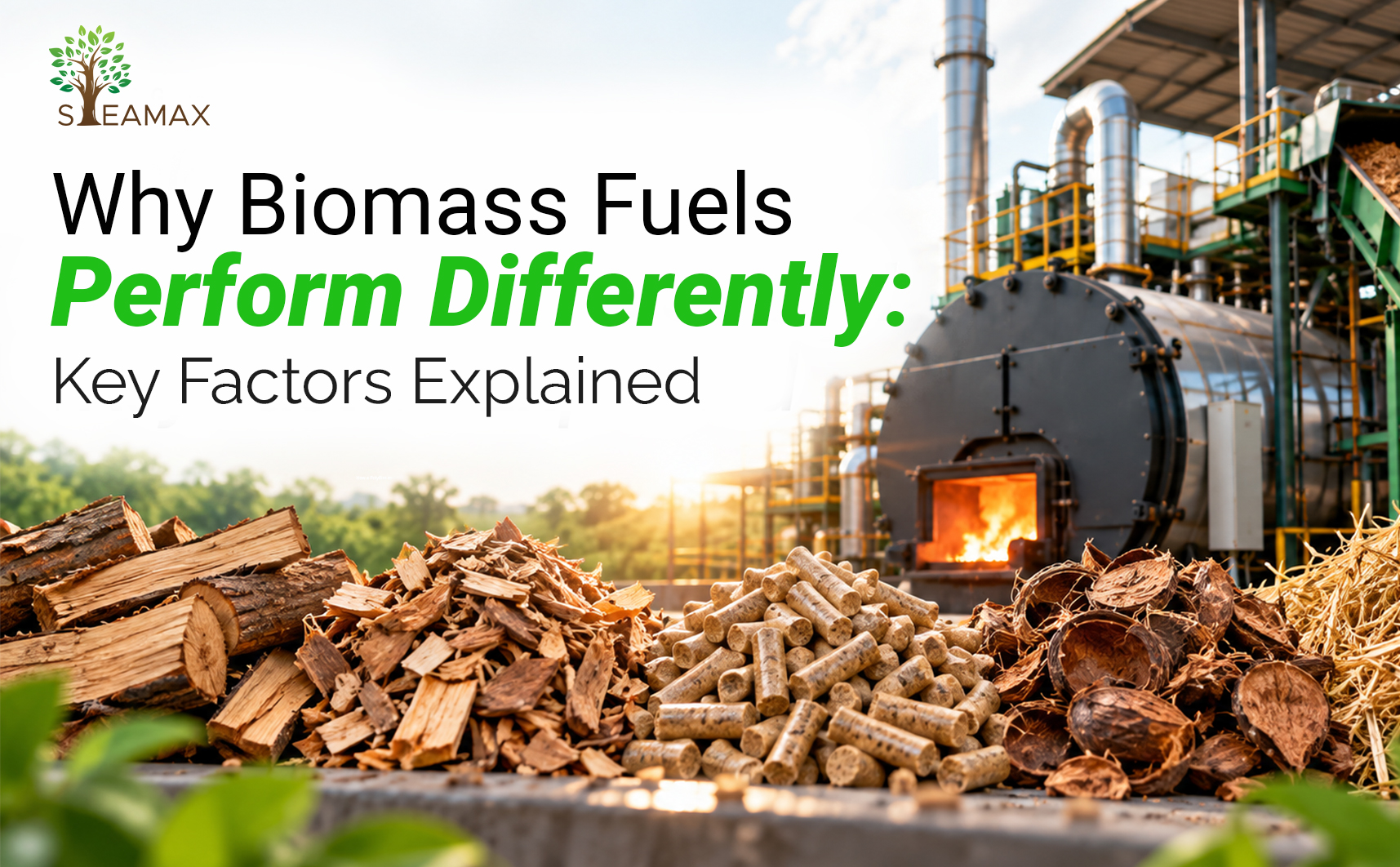
The system is designed to work with compatible biomass fuels, giving industries options based on local availability and fuel economics.
A suitable installation may also be designed to retain the option of switching back to conventional fuel, such as gas or diesel. The feasibility and time required for switching depend on the installation and burner configuration; they should be confirmed during the technical assessment.
3. Reduced Manual Handling
Automated fuel feeding and ash-handling arrangements can reduce routine manual work. This can make day-to-day operation more convenient and help keep the working area cleaner.
The actual level of automation depends on the system configuration.
4. Pollution-Control Equipment
The OBR system can incorporate pollution-control equipment such as:
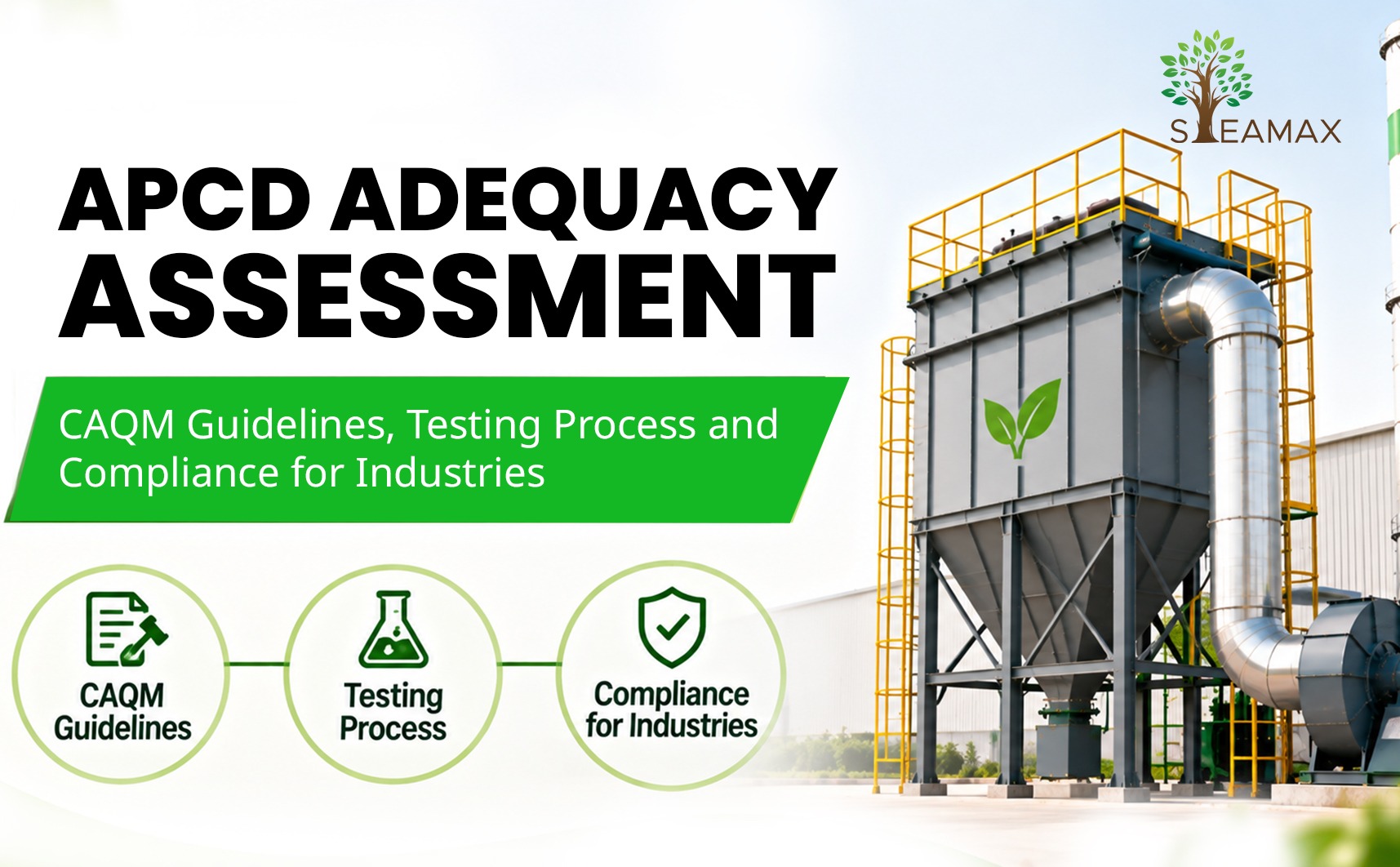
- Multi-Cyclone Dust Collector (MDC): Helps remove larger dust particles from flue gases.
- Bag Filter: Captures fine particulate matter using filter media.
- Wet Scrubber: Uses liquid contact to remove certain pollutants from exhaust gases.
The appropriate equipment depends on the fuel, boiler capacity, emissions characteristics, and applicable pollution-control requirements. Compliance must be established through installation-specific testing and the required approvals; no single device guarantees compliance in every application.

Can Switching to Biomass Reduce Fuel Costs and Emissions?
Biomass may offer fuel-cost advantages over diesel, furnace oil, or gas in suitable applications. Steamax has cited potential fuel-cost savings of around 40–50% in some comparisons. These figures should be treated as indicative, not guaranteed.
Actual savings depend on:
- The price and quality of the biomass fuel.
- The existing fossil-fuel consumption and cost.
- Boiler efficiency and operating load.
- Fuel transportation, storage, and handling.
- Retrofit investment and maintenance costs.
Take a Practical Step Towards Biomass-Based Heating
Industrial air pollution requires action across multiple sectors, including manufacturing and process heating. Improving boiler efficiency, adopting suitable alternative fuels, and installing effective pollution-control systems can all improve environmental performance.
Steamax's OBR Kit offers industries a way to evaluate biomass conversion without automatically replacing their entire existing boiler system. With automated fuel handling, compatible biomass options, and configurable pollution-control equipment, it may be a practical solution for suitable installations.
To discuss your boiler requirements and see whether the OBR Kit suits your facility, contact Steamax.
Phone: +91 93151 24803
Email: info@steamaxindia.com