The Commission for Air Quality Management (CAQM) has announced a significant step to combat pollution in the National Capital Region (NCR) by banning coal as a fuel starting from January 1, 2023. Under this mandate, industries and commercial establishments using unapproved fuels, including coal, will be closed without warning. However, low-sulphur coal use is permitted in thermal power plants. Authorities are instructed to enforce these regulations strictly to ensure compliance.

Approved Fuels for NCR as per CAQM Guidelines
The CAQM has outlined a list of approved fuels that can be used across the NCR:
- Petrol (10 ppm Sulphur): Vehicular fuel
- Hydrogen/Methane: For vehicular and industrial purposes
- Natural Gas (CNG/PNG/LNG): For vehicular, industrial, and domestic purposes
- Electricity: For vehicular, industrial, commercial, and domestic purposes
- Refuse Derived Fuel (RDF): For power plants, cement plants, and waste-to-energy plants
- Biofuels (Bio-alcohols, Bio-diesel, Bio-gas, CBG, Bio-CNG): For industrial, vehicular, and domestic purposes as applicable
- Biomass/Agriculture Refuse and Pellets/Briquettes: For industrial boilers, power plants, biofuel projects, the cement industry, waste-to-energy plants, etc.
- Biomass Pellets/Briquettes: For hotels, restaurants, banquet halls, and open eateries (with mandatory emission control systems)
The Significance of the Coal Ban
Delhi consistently ranks among the world’s most polluted capital cities. By banning coal and encouraging the switch to cleaner fuels like natural gas and biomass, CAQM aims to promote greener energy sources while reducing the harmful pollutants that contribute to air pollution.
Here’s why this step is so crucial:
- Reduction in Pollutants: Switching to cleaner fuels can save millions of tonnes of coal annually and significantly reduce pollutants like Particulate Matter (PM), Nitrogen Oxides (NOx), Carbon Dioxide (CO2), and Carbon Monoxide (CO).
- Tackling Air Pollution: Air pollution from fossil fuels poses a severe risk to public health, leading to respiratory issues, lung cancer, stroke, and asthma. By reducing reliance on coal, this ban can help mitigate these health risks.
- Lower Greenhouse Gas Emissions: This initiative is a significant step toward lowering greenhouse gas emissions in the Delhi NCR region, contributing to India’s broader climate goals.
.

Steamax’s Astillas: A Fuel with Zero Carbon Emissions
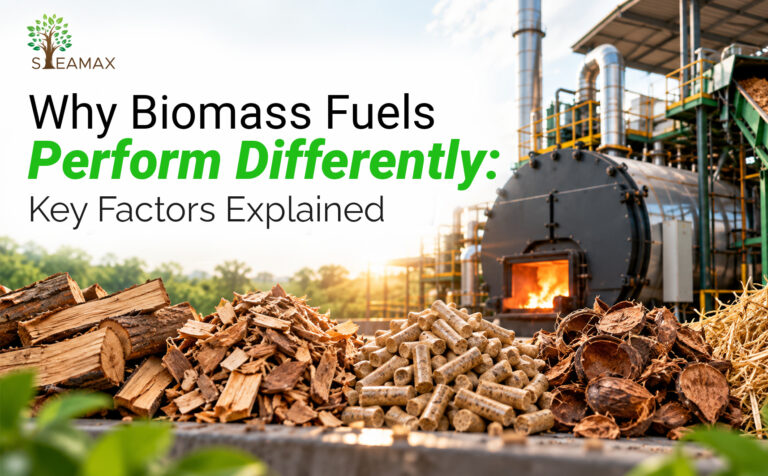
As industries move away from coal, biomass fuels offer an excellent alternative, especially regarding environmental impact. Steamax has developed Astillas, a renewable biofuel from natural products such as cashew shells, de-oiled cashew cake, sawdust, groundnut shells, and seasoned wood chips.
Key Features of Astillas
- High Calorific Value: Astillas boasts a calorific value of 4500 Kcal/kg, low moisture content (less than 10%), and less than 2% ash content, which makes it more efficient than many other fuels.
- Clean Burning: Astillas burn cleanly without producing black or acidic smoke, significantly reducing CO2 emissions compared to wood logs, coal, petcoke, and diesel.
- Low Oil Content: With an oil content below 5%, Astillas reduces acidity, improving worker safety and prolonging equipment life.
- Safe Handling: The low oil content also makes Astillas safer, allowing workers to manage the fuel without protective gear.
With the CAQM’s coal ban in effect, there is an urgent need to transition to renewable energy sources. Steamax’s Astillas is a viable and eco-friendly alternative to traditional fuels, offering both environmental benefits and operational efficiency. If you have any questions or want to learn more about Astillas, please get in touch with us today.