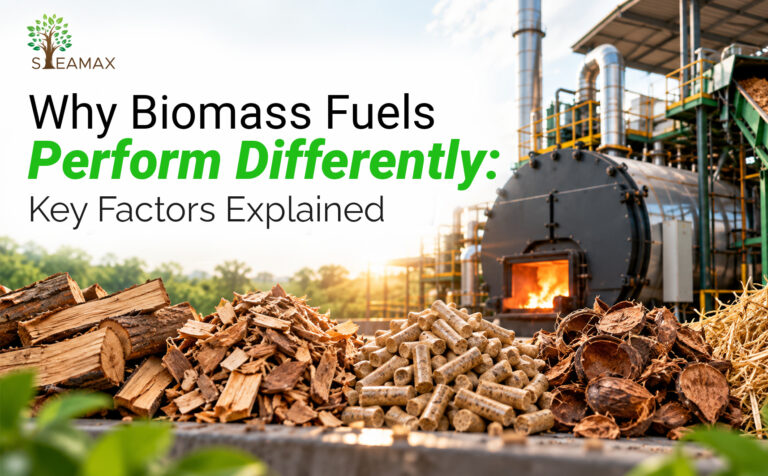
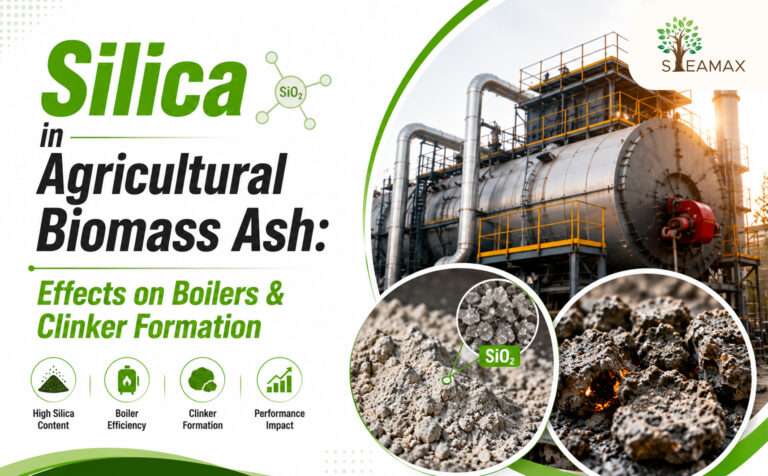
Biomass fuels is a powerful alternative to fossil fuels, offering significant environmental benefits. However, selecting the right biomass fuel can be challenging for those transitioning to renewable energy. The ideal fuel depends on composition, moisture content, and ash levels. However, not all biomass fuels are created equal—some can contribute to pollution when burned. So, how do you determine if your biomass fuel is clean or dirty? Let’s explore this in more detail.
Biomass Fuel: Briquettes
One of the significant challenges with agricultural residue is its tendency for inefficient burning, which can lead to air pollution. However, through briquetting, agricultural waste can be converted into renewable fuel. Densified biomass, such as briquettes, is widely used as fuel. The process of densification can reduce transportation costs and improve combustion efficiency. Therefore, biomass briquettes are particularly advantageous when fuel is expensive or complicated.
| Parameter | Briquettes |
| Calorific Value(Kcal/kg | 2500-4000 |
| Ash content | 3-20% |
| Moisture content | 10-20% |
| Average cost per Kg(INR) | 10 |
| Fuel Feeding system | Manual |
Biomass Fuel: Wood Chips
Wood and wood-based fuels are readily available nationwide and are known for their excellent combustion properties and low ash content. Wood is a primary fuel source in many rural regions. While using wood as fuel has many advantages, there are also significant disadvantages. In many areas, wood-chipping operations are conducted illegally, contributing to deforestation. Additionally, wood has a high moisture content, which increases transportation costs and lowers the fuel’s calorific value.
| Parameter | Wood Chips |
| Calorific value(Kcal/kg) | >2500 |
| Ash content | <3% |
| Moisture content | 20-60% |
| Average cost per kg(INR) | 4-10 |
Biomass Fuel: Astillas
Astillas is a patented biofuel developed by Steamax. This innovative fuel is made from natural products like wood, cashew DOC, sawdust, and cashew nut shell liquid (CNSL). So, what makes Astillas different from other biofuels?
- Complete Transparency: Unlike densified fuels like briquettes and pellets, Astillas offers complete transparency regarding its constituents, ensuring you know exactly what you’re burning.
- Customization: Astillas come in different sizes and compositions that can be customized according to your location and specific requirements, making them a versatile fuel option.
- Higher Efficiency: With a lower bulk density and higher calorific value, Astillas burns more efficiently than other biomass fuels, providing more energy and reducing waste.
- Cost-Effective: Manufactured using low-cost, locally sourced biomass, Astillas undergoes minimal processing, making it an economical choice for various industries.

Choosing the right biomass fuels is not just a decision; it’s a responsibility towards achieving efficient and sustainable energy production. Factors like moisture content, calorific value, and transparency in fuel composition play a significant role in determining whether your biomass fuel is clean or dirty. Steamax’s Astillas is a superior choice, offering higher efficiency, transparency, and cost-effectiveness. If you want to learn more about Astillas, feel free to reach out to us at+91-9315124803.