It Started with a Simple Requirement. It began as most industrial conversations do. A client reached out with a straightforward requirement: “We need a new boiler.”
Rising fuel costs, unstable steam, and frequent operational issues had made them believe that replacing the boiler was the only way forward. But here’s the thing—industrial problems are rarely that simple.
Sometimes, what appears to be an equipment failure is actually a system inefficiency hiding in plain sight.
The Real Challenge: Costs Were Rising, But Why?
At first glance, the symptoms were clear:
- Increasing fuel consumption
- Fluctuating steam pressure
- Frequent operator intervention
- Higher maintenance frequency
Naturally, the assumption was that the boiler was underperforming.
But instead of jumping to conclusions, the approach was to understand the plant’s complete energy ecosystem.
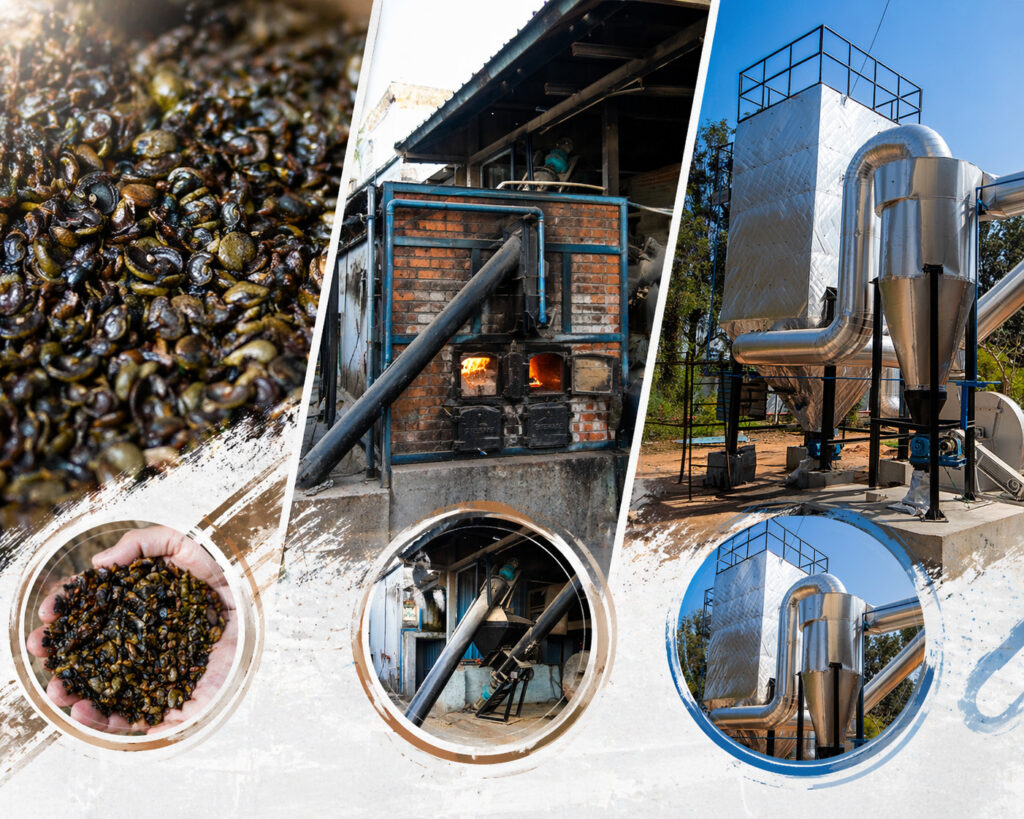
Looking Deeper: The System Was the Problem, Not Just the Boiler
A detailed evaluation revealed something interesting.
The issue wasn’t a single failure—it was a combination of gaps:
- Fuel inconsistency is affecting combustion
- Manual and uneven fuel feeding
- Poor air–fuel balance
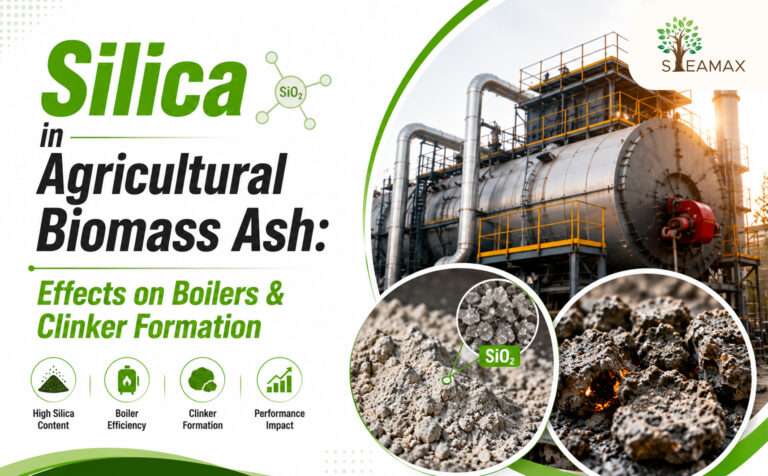
- Heat losses due to fouling
- Inefficient flue gas handling
In short, the boiler was only one part of the problem.
Replacing it would have been expensive—and incomplete.
The Shift: From Selling Equipment to Solving the System
Instead of recommending a new boiler, the focus changed:
How do we make the entire system work better?
It is where the role of a true solution provider comes in.
It’s about making every part of the system work together efficiently.
The Solution: A Complete, Integrated Approach
Rather than a single product, the solution involved multiple targeted improvements.
1. Fuel Optimization with Biomass (Astillas)
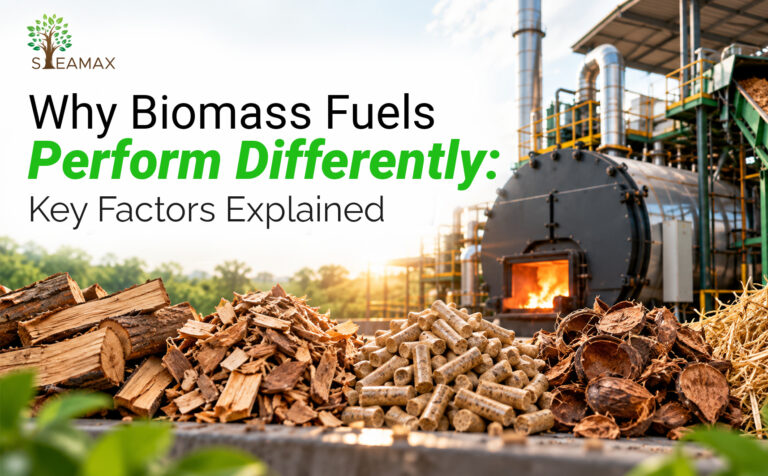
Fuel inconsistency was a major issue. Introducing biomass fuel like Astillas helped stabilize:
- Calorific value
- Combustion consistency
- Overall fuel efficiency
It alone reduced fluctuations and improved combustion reliability.
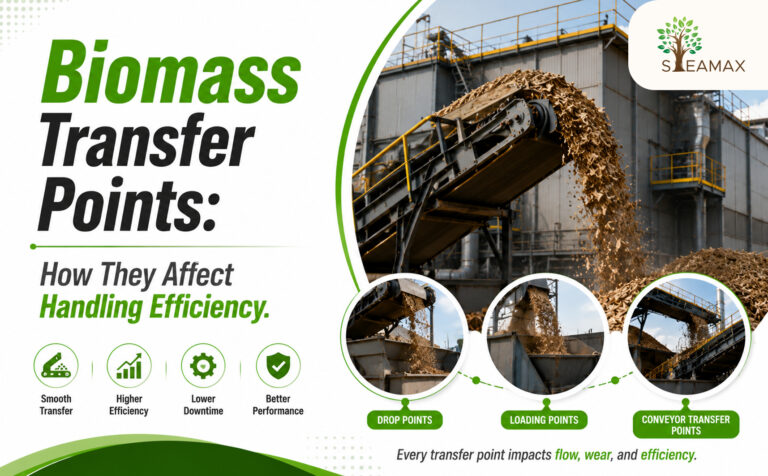
2. Automated Fuel Feeding System (AFK)
Manual feeding was causing uneven combustion and operator dependency.
By integrating an Auto Fuel Kit (AFK):
- Fuel feeding became consistent
- Combustion stabilized
- Operator intervention has reduced significantly
3. Combustion and Draft Optimization
Air–fuel imbalance was leading to energy loss.
Fine-tuning the system improved:
- Flame stability
- Heat utilization
- Overall efficiency
4. APCD System Upgrade (Emission Control)
The existing pollution control setup was not performing efficiently.
By integrating a proper APCD solution (bag filter system):
- Emissions were controlled effectively
- System drafts improved
- Compliance risks reduced
5. Heat Transfer and System Efficiency Improvements
Cleaning and optimizing heat-exchange surfaces helped recover lost efficiency without a major investment.
The Outcome: Without New Boiler Capex
After implementing these changes:
- Fuel consumption dropped
- Steam generation stabilized
- System efficiency improved
- Emissions were better controlled
- Operator dependency reduced
Most importantly, the client avoided investing in a new boiler that wouldn’t have solved the real problem.
What This Story Actually Shows
Many industries assume that performance issues require new equipment.
But in reality:
- The problem is often with fuel or
- In feeding systems
- In combustion control
- In emission handling
Fixing only one part rarely solves the issue.
Steamax: More Than Just a Boiler Company
It is where the difference becomes clear.
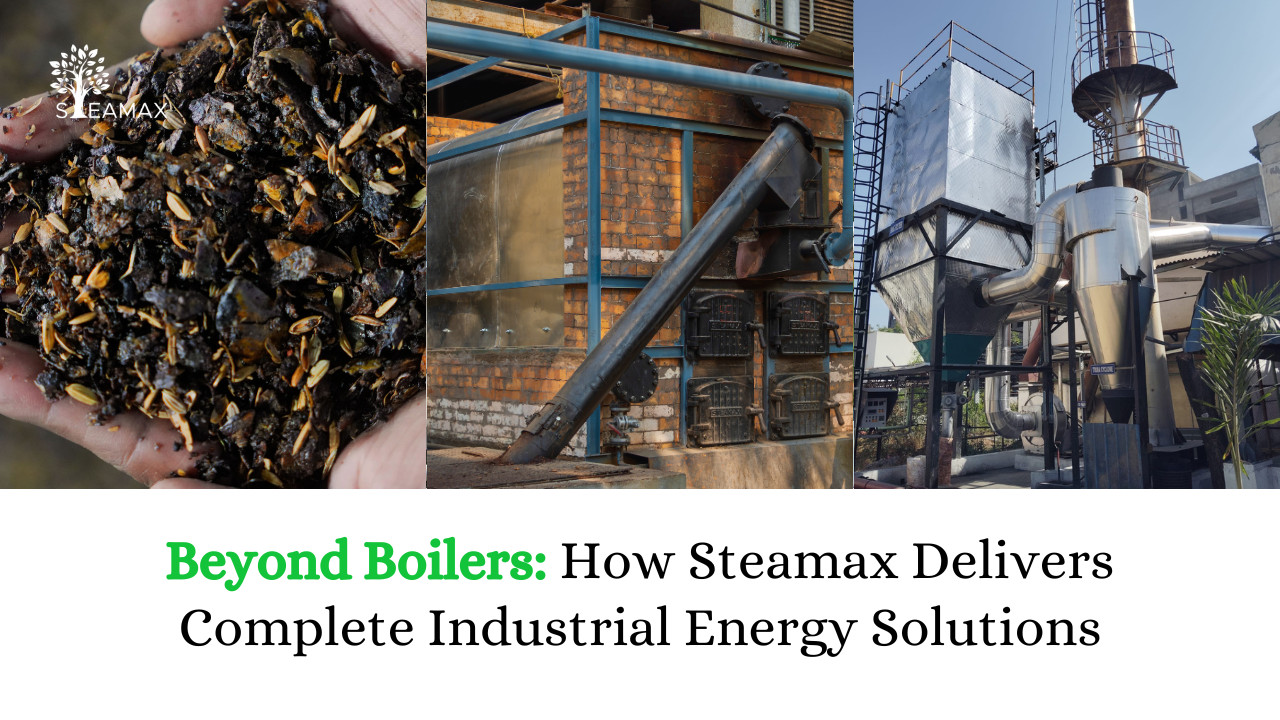
Steamax doesn’t just supply boilers. It works across the entire energy system:
- Fuel solutions (like Astillas for consistency and efficiency)
- Automation systems (like Auto Fuel Kits for stable operation)
- APCD solutions (for compliance and smooth gas flow)
- System optimization and retrofitting
The focus is always on one thing:
delivering reliable, efficient, and practical industrial energy solutions.
Final Thoughts
That day, a boiler could have been sold. But that wouldn’t have solved the problem. Instead, the focus stayed where it mattered—on performance, efficiency, and long-term results.
Because in the end, industries don’t need more equipment. They need systems that actually work.
To explore complete, integrated industrial energy solutions, visit: https://steamaxindia.com/