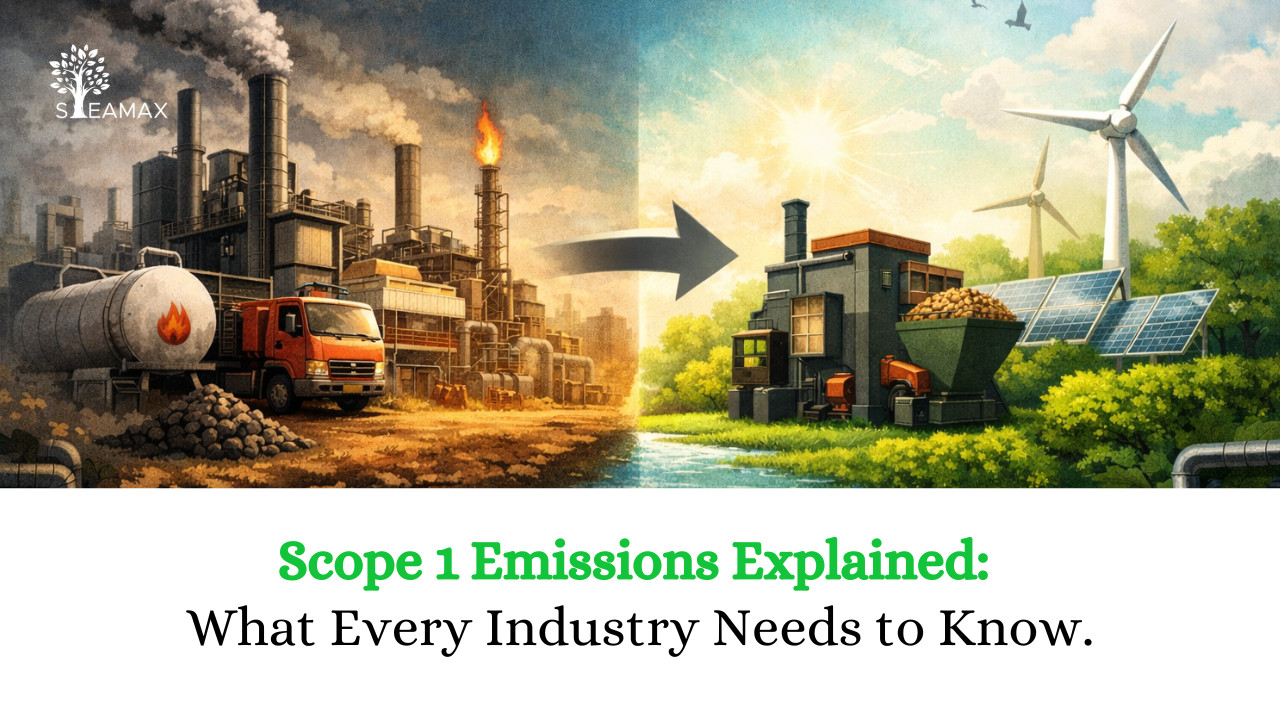
When industries begin their sustainability or ESG journey, the first step is understanding emissions. And right at the centre of it all are Scope 1 emissions.
These are the emissions you generate directly—inside your own plant, through your own equipment, and from your own fuel consumption. Unlike other emission categories, Scope 1 is fully within your control. That’s why it becomes the starting point for decarbonization and compliance.
What Is Scope 1 Emissions?
In simple terms, Scope 1 emissions are direct greenhouse gas emissions release from sources owned or controlled by a company.
These emissions come from activities happening within your facility boundaries.
Common Industrial Sources of Scope 1 Emissions:
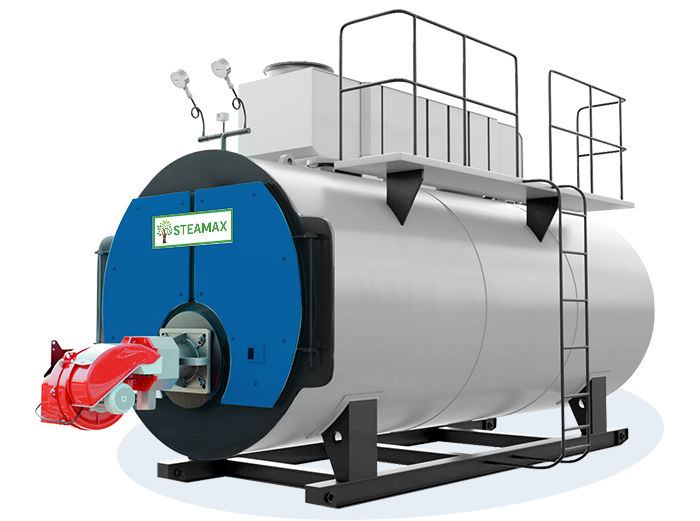
- Boilers used for steam generation
- Furnaces and heaters
- Diesel generators
- Company-owned vehicles
- On-site fuel combustion (coal, oil, gas, biomass)
If your plant burns fuel to generate heat or power, those emissions fall under Scope 1.
Why Scope 1 Emissions Matter for Industries
Scope 1 emissions directly affect:
- Regulatory compliance
- Carbon taxes and penalties
- ESG ratings and audits
- Export eligibility in global markets
Since these emissions are measurable and controllable, they are often the first target for reduction strategies.
Simple Example to Understand
Let’s say a manufacturing plant operates a boiler using natural gas.
- The gas burns on-site
- Heat is generated for process use
- Carbon dioxide (CO₂) is released
This CO₂ emission is a Scope 1 emission because it is directly emitted from the plant’s operations.
Now compare that with electricity purchased from the grid—that falls under Scope 2, not Scope 1.
Key Characteristics of Scope 1 Emissions
- Direct – Generated within your facility
- Measurable – Can be calculated based on fuel consumption
- Controllable – Can be reduced through operational changes
- Regulated – Often monitored by environmental authorities
This makes them the most actionable category of emissions.
How Industries Can Reduce Scope 1 Emissions
Reducing Scope 1 emissions does not always require a complete system replacement. It often starts with practical improvements.
1. Improve Combustion Efficiency
Better air–fuel control, optimized burners, and regular maintenance reduce fuel consumption and emissions.
2. Switch to Cleaner Fuels
Replacing high-carbon fuels like coal or furnace oil with lower-carbon or renewable alternatives can significantly reduce emissions.
3. Retrofit Existing Systems
Instead of installing new equipment, industries can upgrade existing boilers and furnaces to improve performance and reduce emissions.
4. Optimise Energy Use
Reducing steam losses, improving insulation, and recovering waste heat can lower overall fuel demand.
5. Monitor and Track Emissions
Using proper measurement and monitoring systems helps identify inefficiencies and track improvements over time.
Scope 1 vs Scope 2 vs Scope 3
To avoid confusion:
- Scope 1: Direct emissions from your operations
- Scope 2: Indirect emissions from purchased electricity
- Scope 3: Indirect emissions from the supply chain and logistics
Among these, Scope 1 is the most immediate and controllable.
Final Thoughts
Scope 1 emissions may sound technical, but the concept is straightforward. If your plant is burning fuel, you are generating direct emissions.
The good part? These emissions are also the easiest to control. By improving combustion, selecting better fuels, and optimizing systems, industries can reduce both emissions and operating costs simultaneously.
Understanding Scope 1 is not just about compliance—it’s about making smarter energy decisions.