

When most people think of Goa, it’s all about sun, sand, and sea. But behind the perfect scenery lies a thriving agro-processing industry—especially in cashews. While tourism dominates headlines, Goa industry faces a double dilemma: rising energy costs and growing agro-waste. That’s where this story gets exciting. Goa has the raw materials for a clean energy revolution that is cashew shells. What if, instead of burning fossil fuels, we fueled industrial boilers with this abundant waste? What if we combined it with high-quality woody biomass like Astillas? That’s not a dream. It’s already happening.
The Goa Industry Produces Untapped Energy Resources
Goa is dotted with dozens of cashew processing units that generate cashew nut shells (CNS) as a by-product to CNSL. This waste—often discarded or burned inefficiently—holds remarkably high calorific value.
These shells are generated in large quantities during the harvest season (Feb–May), and most processors have no streamlined way to use them. The energy in these shells is literally going up in smoke.
Biomass Energy Is a Clean, Cost-Effective Alternative to Fossil Fuels
Biomass energy involves burning organic material—like wood chips, cashew shells, or crop residue—to generate industrial heat or steam. It’s not just sustainable, it’s cost-effective.
Here’s why industries are eyeing it as a fossil fuel replacement:
- Lower CO₂ emissions (biomass is carbon-neutral in lifecycle terms)
- Fuel cost savings
- Easier compliance with pollution norms
- Supports the circular economy
Now, mix that with Astillas—a dry, low-ash, high-efficiency biomass fuel with caloriefic value of 4200-4500 Kcal/kg that burns clean and is easy to feed using automation. You get a powerhouse combo for boiler performance and air quality compliance.
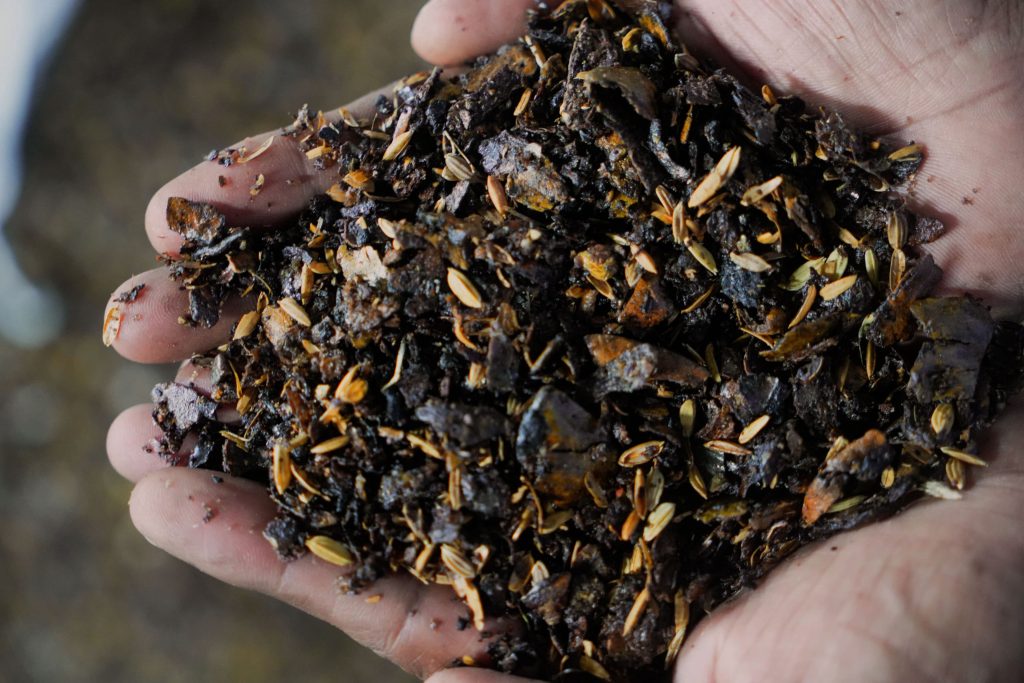
Combining Cashew Shells with Astillas Can Optimize Industrial Boiler Performance
Cashew shells have high energy potential but can vary in quality. That’s where blending with Astillas works magic.
Benefits of this biomass blend:
- Better combustion consistency
- Low ash generation
- Smooth operation in converted FO/HSD boilers
- Ideal for multi-fuel systems or Steamax retrofits
This approach ensures that large-scale pharmaceutical and processing industries, as well as small and mid-sized manufacturing units, can maintain consistent heat output without compromising on energy efficiency or emissions standards.
Goa Industry Is Missing a Major Opportunity by Not Adopting Biomass Widely
Despite the resource availability, biomass adoption in Goa industries remains surprisingly low. Why?
- Limited Processing Capacity: Goa’s biomass briquetting plants produce only a fraction of the industrial demand, forcing imports from other states.
- Policy Delays: Slow disbursement of government grants and subsidies hampers investment in renewable energy.
- High Capital Costs: Biomass systems require higher upfront investment compared to conventional fuels, reducing adoption appeal.
- Weak Coordination: Poor alignment among suppliers, regulators, and industries leads to inefficiencies and underutilization.
This gap is exactly what forward-thinking clean energy providers are trying to solve.

Steamax’s Role in Driving Biomass Adoption in Goa
Steamax Envirocare Private Limited (SEPL) offers a comprehensive solution to accelerate Goa industry transition to clean industrial energy through biomass. Our key initiatives include:
- Retrofitting Boilers: Conversion of FO/HSD/PNG-fired boilers to biomass-fired systems for seamless and cost-effective decarbonization.
- Auto Fuel Feeding Kits: Installation of automated biomass feeding systems to ensure operational efficiency and safety.
- Air Pollution Control: Integration of advanced emission control devices to comply with environmental norms.
- Flexible Business Models: Deployment through both CAPEX and OPEX models, including BOOT and Steam-as-a-Service (SaaS), enabling low-barrier adoption.
- Advanced Fuel Processing Units: In partnership with the Goa Energy Development Agency (GEDA), SEPL will establish biomass fuel processing units with capacities ranging from 5,000 to 15,000 tonnes per month, converting local agro and municipal waste into usable fuel.
- Production of Astillas: SEPL will produce its proprietary biomass blend, Astillas, using high-efficiency machinery to ensure maximum energy output and minimal processing loss.
- Localized Biomass Utilization: The initiative focuses on tapping Goa’s diverse bio-waste sources, transforming them into energy through advanced technologies, and supporting a sustainable circular economy.
Steamax Provides End-to-End Biomass Solutions for a Circular Economy
Here’s the beauty of it: cashew processors in Goa can source their own waste, power their operations, and reduce fuel costs by up to 30%. That’s a triple win.
Steamax’s model encourages a local circular economy:
- Waste from cashew units → converted to fuel
- Reduced reliance on fossil fuels → lower emissions
- Better ESG ratings → improved business profile
Whether you’re a small food processor or a mid-sized textile unit, this model can deliver reliable, clean, and affordable industrial heat.
It Is Time for Goa to Recognize the Value of Its Agro-Waste Resources
Goa has what it takes: tons of cashew waste, forward-thinking policymakers, and now—partners like Steamax to make it happen. It’s time for the industrial ecosystem to act.
- Want to know if your boiler is compatible?
- Curious how much you could save each month?
- Need help with fuel supply or permits?
Contact Steamax for a consultation or audit and explore how biomass retrofitting could redefine your plant’s energy future.
Need an explanation about your product for industrial use
Thanks for reaching. For more information reach us at +91-9315124803 or mail us at info@steamaxindia.com
We want cashew nut shell cake