
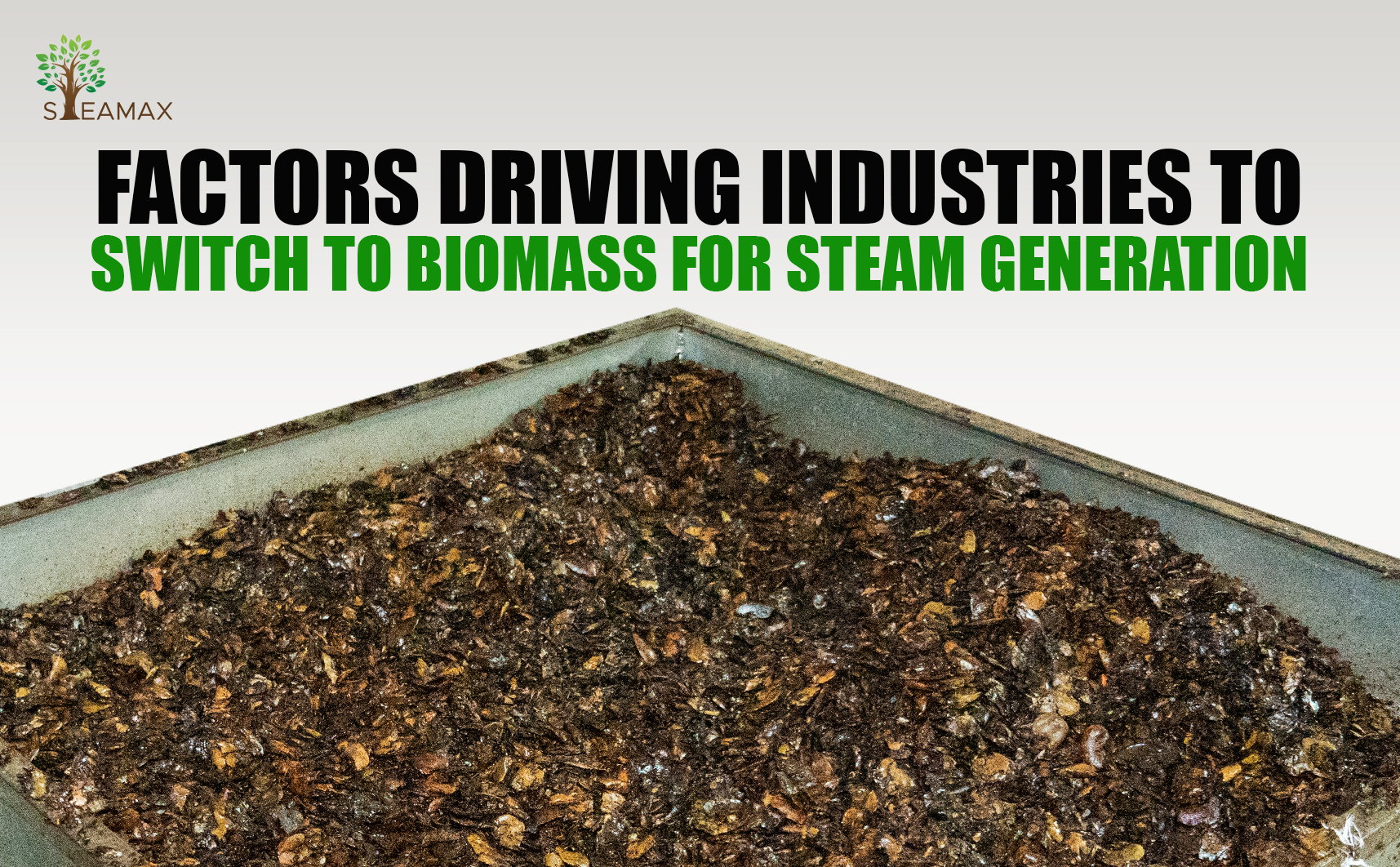
As industries face increasing pressure to reduce costs, meet sustainability goals, and comply with strict environmental regulations, many are looking for more innovative, greener alternatives for energy production. One of the most promising options is biomass energy for steam generation.
This transition is more than a trend—a strategic move aligning economic, environmental, and technological goals. Let’s explore the key factors driving this sustainable shift and why industries worldwide embrace Biomass for their steam needs.
1. Economic Factors: Lowering Costs and Managing Fuel Price Volatility
Fossil fuel prices have always been unpredictable, leaving industries vulnerable to sudden cost spikes. Biomass, however, provides a cost-stable and often cheaper alternative for generating steam.
Rising Fossil Fuel Costs: Global prices for coal, oil, and natural gas have been climbing due to demand and supply chain issues. Biomass offers a reliable solution to mitigate these costs.
Cost Savings with Biomass: Fuels like wood chips, agricultural residues, and biogas are often locally sourced and less expensive than fossil fuels. For industries generating their own biomass as a byproduct (like agro-based companies), this means near-zero fuel costs in some cases.
2. Environmental Regulations: Meeting Emission Reduction Targets
Governments and international organizations are tightening regulations on emissions, pushing industries to transition to cleaner energy sources. Biomass enrgy is one of the most effective ways to meet these requirements:
Lower Carbon Footprint: Biomass is considered carbon neutral because the carbon dioxide released during combustion is offset by the CO2 absorbed during the growth of the biomass source.
Regulatory Compliance: Countries are implementing stricter limits on greenhouse gas emissions. Switching to biomass eenergy helps industries avoid penalties and align with environmental laws and global agreements.
3. Sustainability Goals: Aligning with Corporate ESG Strategies
Environmental, Social, and Governance (ESG) strategies have become essential for industries seeking to stay relevant in today’s market. So, switching to biomass plays a critical role in achieving these goals:
Greener Branding: Companies that adopt renewable energy solutions like biomass showcase their commitment to the environment, which is highly valued by investors, customers, and stakeholders.
Long-Term Sustainability: Biomass fuels are renewable, unlike fossil fuels, which are rapidly depleted. This makes biomass a key player in future-proofing industrial energy systems.
4. Resource Availability: Abundance of Biomass Fuels
Biomass fuels are widely available and often sourced locally, reducing costs and ensuring consistent supply. Some familiar sources include:
Agricultural Waste: Crop residues like husks, stalks, and straws.
Wood Chips and Pellets: Byproducts of the timber and furniture industries.
Biogas: Generated from organic waste like food scraps or manure.
Industries operating in regions rich in agricultural or forestry resources can easily tap into these cost-effective and sustainable fuel sources.
5. Energy Security: Reducing Dependence on Fossil Fuels
For many countries and industries, relying on imported fossil fuels can pose significant risks—price spikes, political instability, and supply disruptions. Biomass energy helps mitigate these risks:
Locally Sourced Energy: Biomass is often sourced within the country or region, reducing dependency on foreign fuel imports.
Energy Independence: Using local biomass resources ensures a steady and secure energy supply, protecting industries from the volatility of international energy markets.
6. Government Incentives: Encouraging the Transition
Governments worldwide are promoting renewable energy adoption through financial and policy support, making the switch to biomass even more attractive.
Subsidies and Tax Benefits: Many countries offer financial incentives to industries that invest in biomass boilers and other renewable energy technologies.
Support Programs: Grants and low-interest loans help reduce the upfront costs of transitioning to biomass.
Carbon Credits: Industries using biomass can earn carbon credits, which can be sold in markets or used to meet regulatory requirements.

Why Switching to Biomass energy is a Strategic Move?
Switching to biomass energy isn’t just about ticking environmental boxes—it’s about making smart business decisions. Therefore, with rising fossil fuel costs, pressure to cut emissions, and the availability of innovative technologies, biomass offers industries a cleaner, cost-effective, and sustainable energy solution.
If you want to upgrade your steam generation systems or explore the benefits of biomass, consider Steamax. We provide innovative biomass boiler solutions. Our advanced technology and expertise can help your industry achieve sustainability goals while ensuring efficient energy generation.
Why Choose Steamax India?
Advanced Biomass Boilers: These highly efficient boilers are compatible with various biomass fuels, such as agricultural waste, wood chips, and pellets.
- Customized Solutions: Tailor-made boiler designs to meet the unique energy requirements of different industries.
- Retrofitting Services: Seamless conversion of existing fossil fuel boilers into biomass systems to reduce costs.
- Automation Features: Boilers equipped with automated fuel feeding, real-time monitoring, and safety controls for hassle-free operations.
- End-to-End Support: Comprehensive services from design and installation to maintenance and after-sales support.
- Sustainability Focus: Helps industries reduce CO2 emissions and comply with environmental regulations.
Final Thoughts
The shift to biomass energy for steam generation is more than a trend—it’s the future. Therefore, as industries face growing challenges with fossil fuel dependency and environmental responsibility, biomass offers a reliable, cost-effective, and sustainable solution.
So, are you ready to switch towards sustainability? Explore advanced solutions from Steamax India.

Biomass is a renewable energy source that helps reduce carbon emissions. It’s an eco-friendly alternative to fossil fuels, providing sustainable heating and energy solutions for homes and industries.