As Environmental, Social, and Governance (ESG) performance becomes a key metric for investors, lenders, and global supply chains. Industries are under growing pressure to reduce emissions and improve transparency. While many companies are actively tracking carbon footprints, one area often overlooked is Scope 1 emissions, especially those hiding in the boiler room. These emissions, though behind the scenes, have a massive impact on your company’s ESG score, air quality compliance, and long-term sustainability.
Fossil-fuel-based industrial boilers are one of the most significant contributors to direct GHG emissions across the manufacturing sector.
What Are Scope 1 Emissions?
Scope 1 emissions refer to direct greenhouse gas emissions from sources that are owned or controlled in a manufacturing setup, this includes:
- Fuel combustion in boilers, thermic fluid heaters, and furnaces
- Process emissions from chemical reactions
- Emissions from company-owned vehicles or diesel generators
In industries, the boiler room alone can account for atleast 60% of Scope 1 emissions, mainly when operating on diesel, furnace oil, coal, or natural gas (NG). These emissions not only impact your carbon footprint, but they also have profound implications for regulatory compliance and health standards.
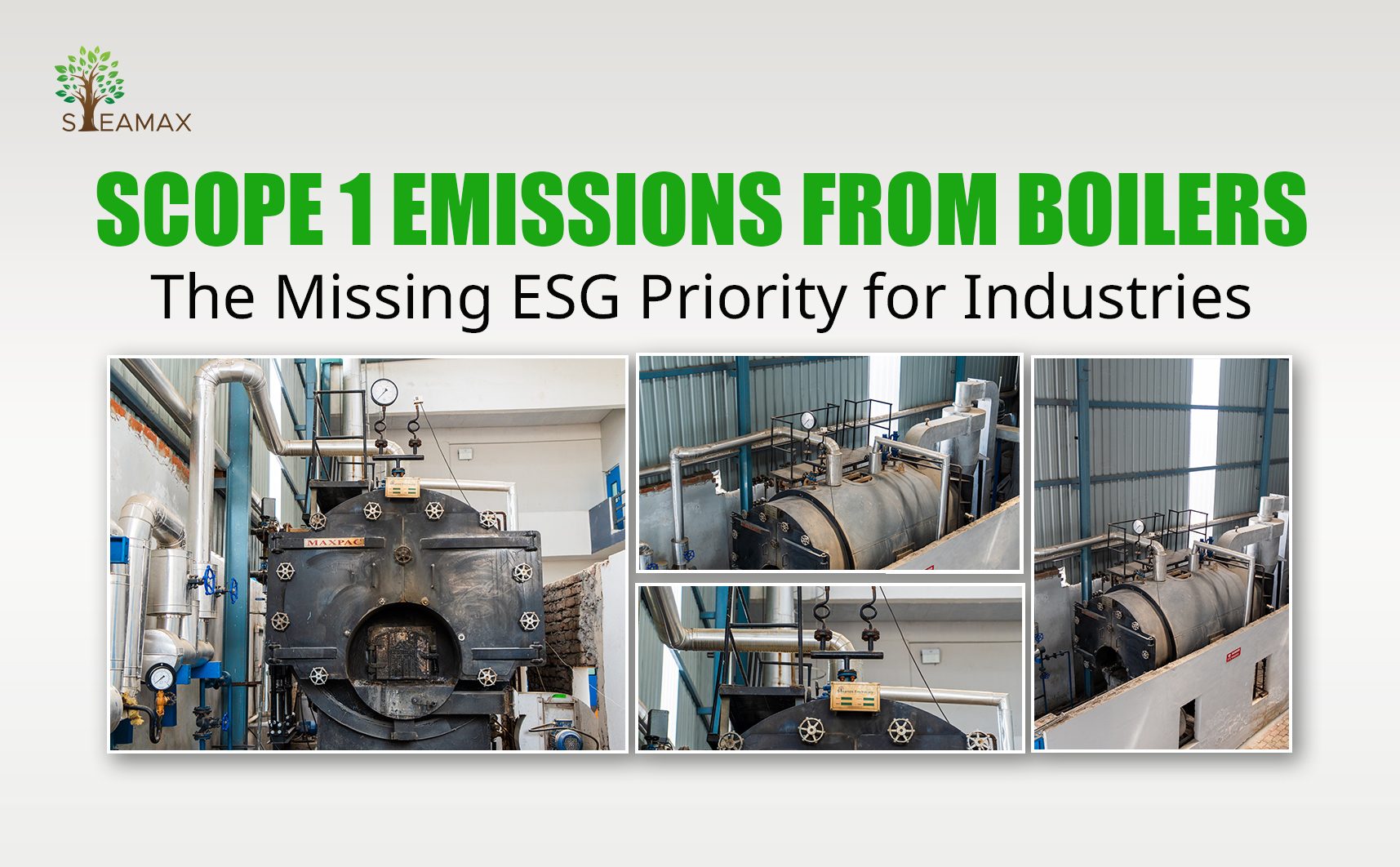
The Boiler Room: A Hidden ESG Weak Spot
Boilers are typically housed in corners of the plant, out of sight and often out of mind. But their contribution to a plant’s total emissions is anything but minor.
– Legacy systems with low combustion efficiency
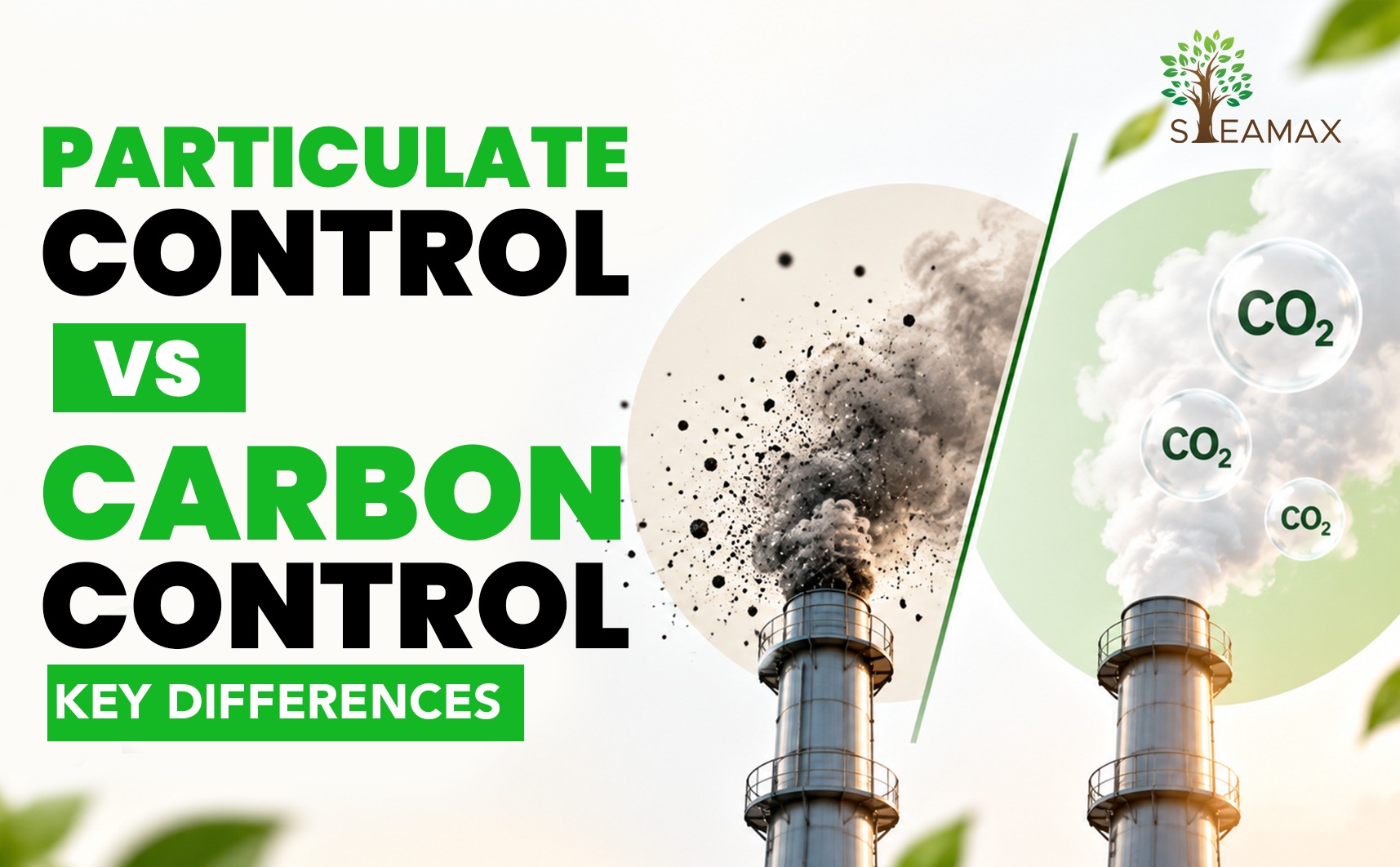
– Fossil fuels that emit high volumes of CO₂, SOx, NOx, and particulate matter
– Inconsistent monitoring or outdated emissions data
What’s worse, these emissions are often under-reported or not tracked at all, making ESG disclosures weaker and less credible.
ESG Frameworks & the Impact of Scope 1 Reporting
ESG ratings are influenced by a company’s ability to effectively disclose and manage its environmental, social, and governance (ESG) impacts. Major frameworks like:
- GRI (Global Reporting Initiative)
- CDP (Carbon Disclosure Project)
- BRSR (Business Responsibility and Sustainability Reporting – India)
All place significant emphasis on Scope 1 emission transparency.
Poor or vague reporting of boiler emissions can negatively affect:
– Your ESG score
– Investment readiness
– Qualification for green financing or sustainability-linked loans
On the other hand, plants that report clearly and act decisively on Scope 1 become more attractive to global buyers and investors.
Why Boilers Are Central to Decarbonization
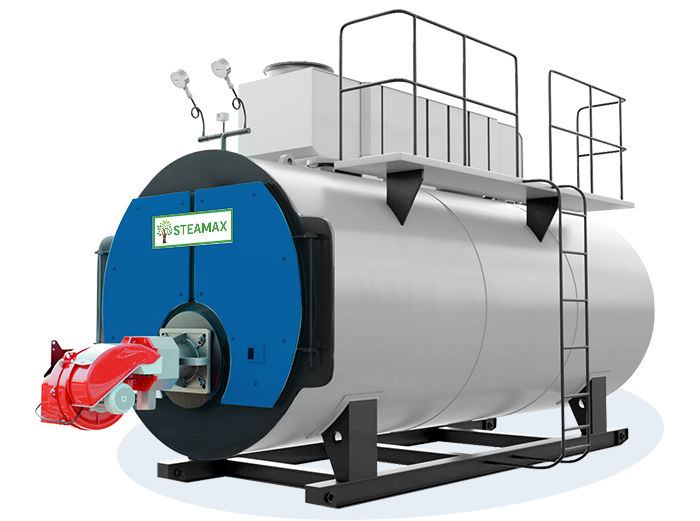
Here’s the reality: industrial boilers contribute between 30% and 70% of a plant’s total energy-related emissions. They’re often the least efficient, most polluting, and easiest to upgrade.
Unlike process redesigns or high-cost renewable installations, boiler retrofits offer faster ROI and tangible emission cuts. That makes them an ideal starting point for any company serious about ESG performance or net-zero alignment.
Making the Boiler Room ESG-Compliant: Transition Pathways
There are proven, scalable ways to reduce Scope 1 emissions right from the boiler room:
1. Fuel Switching
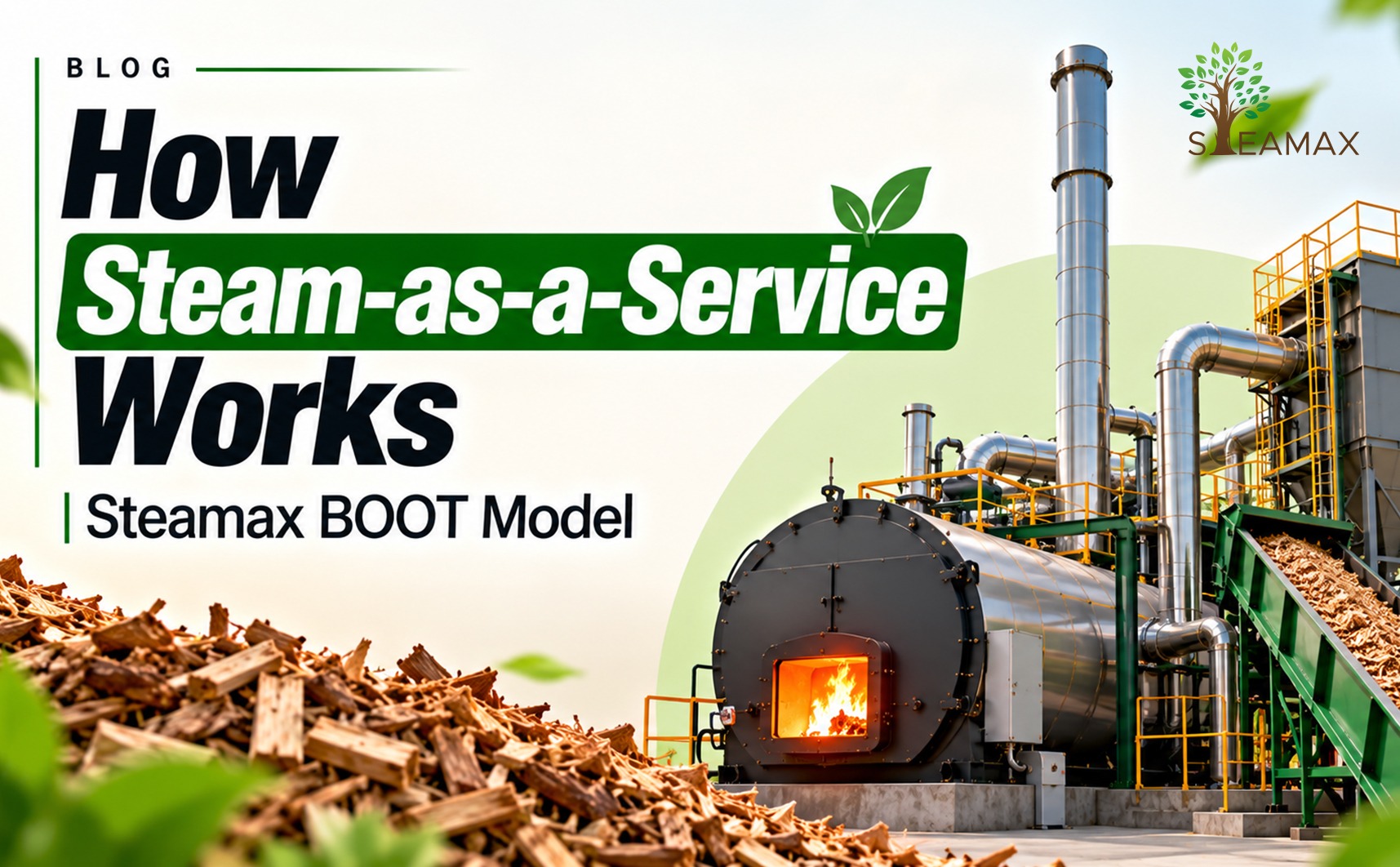
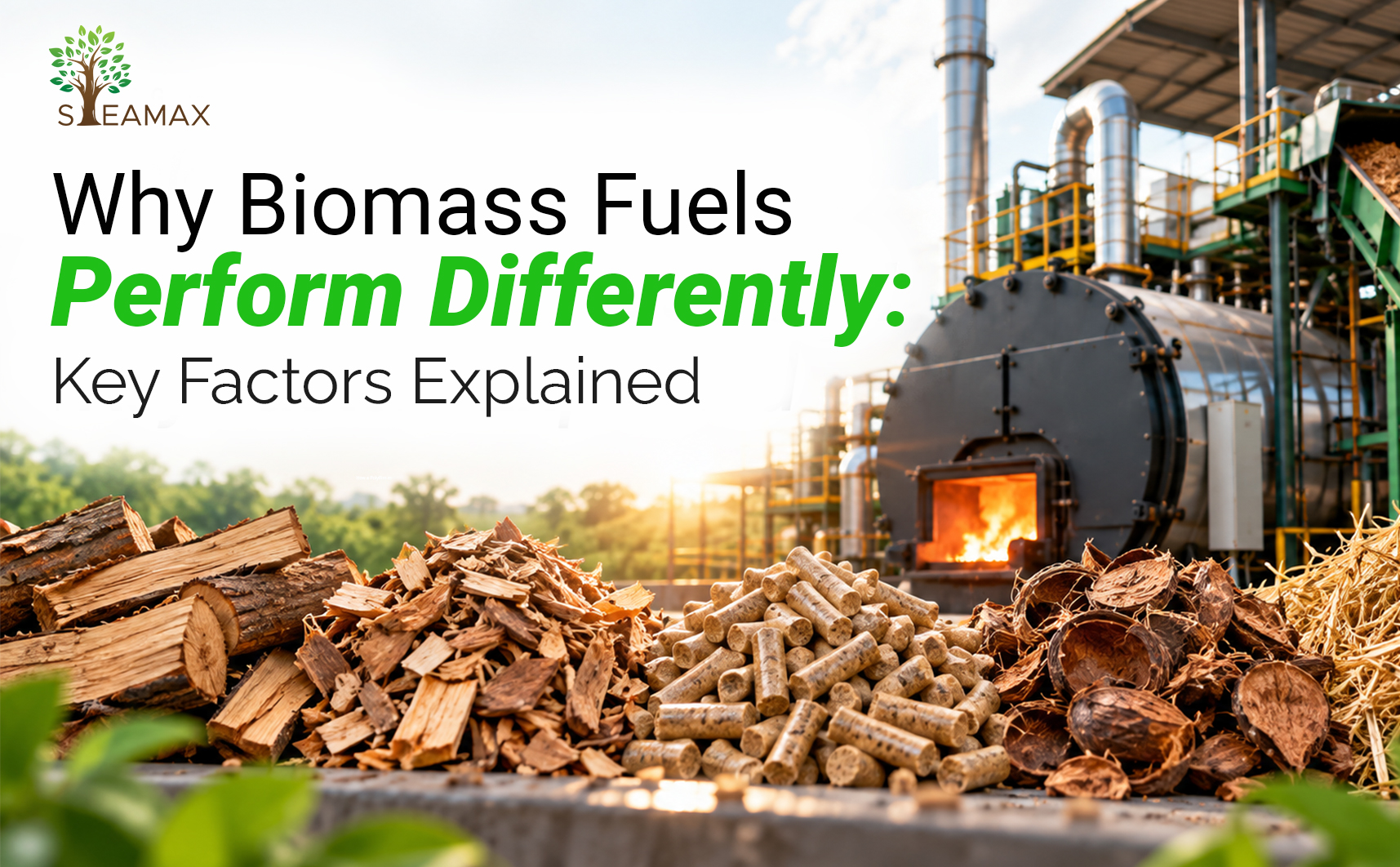
Move from diesel, furnace oil, or coal to biomass fuels such as Astillas, torrefied biomass, or compressed biogas (CBG). These fuels are carbon-neutral and widely available.
2. Retrofitting Existing Boilers
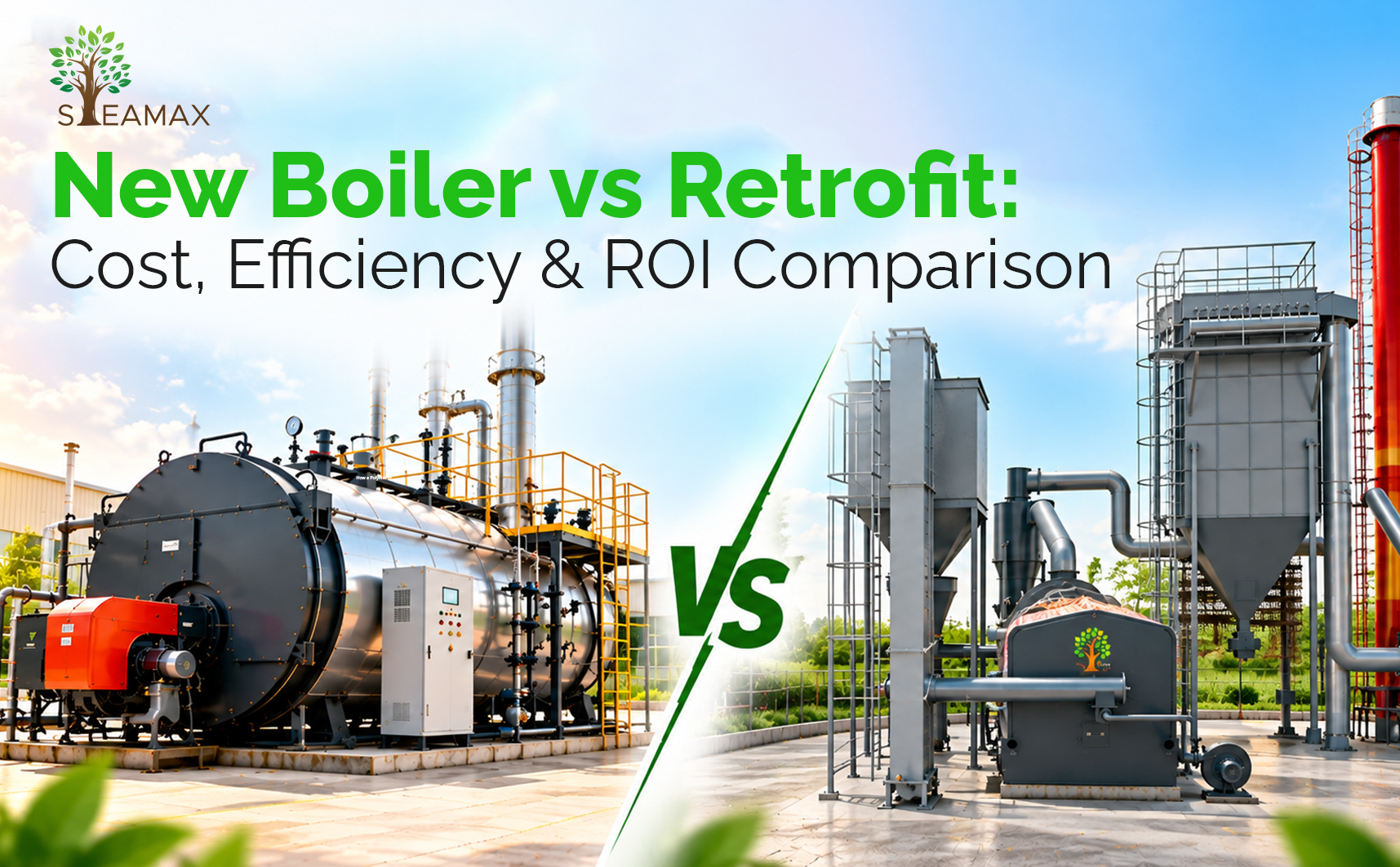
Using kits like Steamax’s OBR Maxx and OBR Lite, existing boilers can be converted to run on biomass with minimal downtime.
3. Automation & Control
Implement auto fuel feeding systems, smart draft controls, and real-time combustion monitoring to optimise efficiency and reduce emissions per unit of steam or heat.
4. Emission Control Technology
Install bag filters, ESP systems, and cyclone separators to meet PM norms below 50 mg/Nm³ and comply with state-level air quality mandates.
These interventions are already in use across various industries, including pharma, food processing, and textiles, with measurable results in both emissions and operating costs.
Strategic Benefits That Go Beyond ESG
Boiler room decarbonization is not just an environmental move—it’s a strategic business decision.
- Cost Savings: Biomass fuels are often 30–50% cheaper than fossil alternatives
- Regulatory Compliance: Stay ahead of evolving norms from CPCB, BEE, and SECI
- Brand Positioning: Improve ESG scores, attract green investors, and meet buyer standards
- Operational Stability: Smart controls reduce fuel wastage and maintenance overhead
Conclusion
If your organisation is serious about ESG success, don’t overlook the boiler room. It’s one of the most impactful, yet least optimised areas when it comes to Scope 1 emissions. With the right partners, proven technology, and a clear transition strategy, decarbonising your boiler system can be your easiest ESG win.
Start by assessing your fuel mix, combustion efficiency, and emissions control. Because what happens in the boiler room doesn’t stay in the room—it shows up in your emissions report, your audit readiness, and your brand reputation.