Why Decarbonisation Matters Now More Than Ever?
Industrial boilers and thermic fluid heaters play a crucial role in manufacturing, but they contribute significantly to carbon emissions—accounting for nearly 30-40% of total industrial energy consumption. With industrial processes responsible for approximately 24% of global CO₂ emissions, decarbonising these heating systems is critical for sustainability. As governments enforce stricter environmental regulations and businesses face increasing pressure to adopt sustainable practices, decarbonisation is no longer optional—it’s essential. India has committed to achieving Net Zero emissions by 2070, aligning with global climate goals while ensuring economic growth.
But how can industries transition without disrupting operations or facing huge capital costs? This guide lays out a step-by-step roadmap to help manufacturing industries, particularly those relying on boilers and thermic fluid heaters, achieve Net Zero emissions efficiently and cost-effectively.

Step 1: Identifying Emission Sources in Manufacturing
Before reducing emissions, industries need to understand where they come from. Carbon emissions in manufacturing are categorised into three scopes:
Scope 1: Direct Emissions from Boilers or thermic fluid heaters
These emissions come from burning fossil fuels like coal, oil, or gas in industrial boilers or thermic fluid heaters. They contribute the most to carbon footprints and must be addressed first.
Scope 2: Indirect Emissions from Electricity Use
Boilers consume electricity for fuel feeding, water pumps, and automation systems. If this electricity comes from coal-based power grids, it adds to emissions.
Scope 3: Supply Chain Emissions
This includes fuel sourcing, transportation, and raw material extraction emissions—often overlooked but crucial for full decarbonisation. Once industries identify their emission sources, they can take targeted steps to reduce them.
Step 2: Eliminating Scope 1 Emissions with Biomass
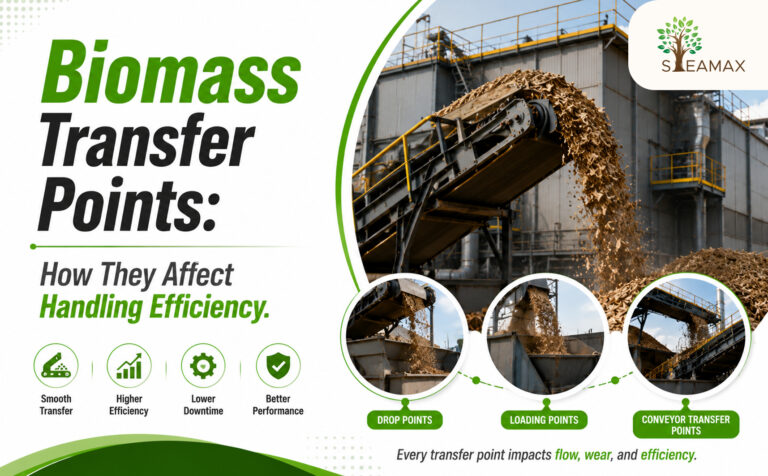
The quickest way to cut direct emissions is to replace fossil fuels with biomass. Unlike coal or oil, biomass is a renewable fuel made from agricultural waste, wood pellets, and sawdust.
Why Biomass is the Best Solution for Decarbonisation?
- Carbon Neutral: Biomass releases CO₂ when burned, but plants reabsorb it during growth, creating a closed carbon cycle.
- Cost-Effective: Switching to biomass costs less than investing in hydrogen or synthetic fuels.
- Minimal Infrastructure Changes: Most existing boilers can be retrofitted to use biomass without significant modifications.
- Government Incentives: Many countries offer subsidies for biomass industries, tax benefits, and carbon credits.
By transitioning to biomass-powered boilers, industries can reduce CO₂ emissions by up to 85% while maintaining operational efficiency.
Step 3: Reducing Scope 2 Emissions with Energy Efficiency
Even after switching to biomass, industries must optimise energy use to further lower emissions.
How to Reduce Energy Consumption in Boiler Operations
- Switch to Renewable Electricity: Replace grid electricity with solar or wind power for auxiliary systems where feasible.
- Implement Waste Heat Recovery: Capture excess heat from boiler flue gases and reuse it for water preheating or other processes.
- Upgrade Boiler Insulation & Automation: Modern insulation prevents heat loss, and automated controls optimise fuel usage.
These minor adjustments significantly reduce electricity demand, making decarbonisation even more effective.
Step 4: Addressing Supply Chain Emissions (Scope 3)
To achieve full decarbonisation, industries must look beyond their operations and focus on the sustainability of the supply chain.
Key Strategies to Reduce Supply Chain Emissions
- Source Locally: Using locally produced biomass reduces transportation emissions.
- Work with Green Suppliers: Partner with fuel and material providers committed to sustainable practices.
- Use Digital Emission Tracking: Monitor real-time fuel supply chains to measure and improve carbon impact.
By optimising supply chains, industries reduce emissions while ensuring long-term sustainability.

Step 5: Retrofitting Boilers or thermic fluid heaters with Steamax
For many industries, the biggest challenge in decarbonisation is the high cost of replacing fossil fuel boilers or thermic fluid heaters. However, Steamax offers advanced retrofit solutions that allow industries to transition to biomass without expensive new installations. Here is How Steamax Retrofit Solutions Make Decarbonization Easy & Affordable:
- Seamless Conversion to Biomass: Steamax retrofit kits enable existing coal, oil, or gas-fired boilers to operate on biomass fuels like wood pellets, briquettes, and agro-waste.
- Automated Fuel Feeding Systems: Steamax provides customised autofuel feeding solutions to ensure efficient combustion and reduced fuel wastage.
- Zero Upfront Investment Model: Industries can retrofit their boilers without capital expenditure, paying through energy cost savings—making decarbonisation cost-effective and hassle-free.
- Regulatory Compliance & Carbon Credits: Retrofitting with Steamax helps industries meet emission norms, qualify for carbon credits, and take advantage of government incentives.
Step 6: The Business Benefits of Decarbonisation
Decarbonisation isn’t just about meeting environmental regulations—it brings real financial and operational benefits.
- Lower Fuel Costs: Biomass is often cheaper than fossil fuels, reducing operational expenses.
- Carbon Credits & Subsidies: Many governments provide financial incentives for industries adopting low-carbon technologies.
- More substantial market Reputation: Consumers and investors prefer companies committed to sustainability.
- Future-Proofing Against Regulations: Avoid potential penalties from carbon taxes and stricter environmental laws.
Conclusion: Decarbonisation is the Future—Act Now
Decarbonisation is no longer a choice—it’s a business necessity. For industries looking for an easy and affordable way to reduce emissions, Steamax provides innovative biomass and boiler retrofitting solutions. These solutions help businesses achieve decarbonisation without significant investment.
The time to act is now—start your journey to Net Zero today!