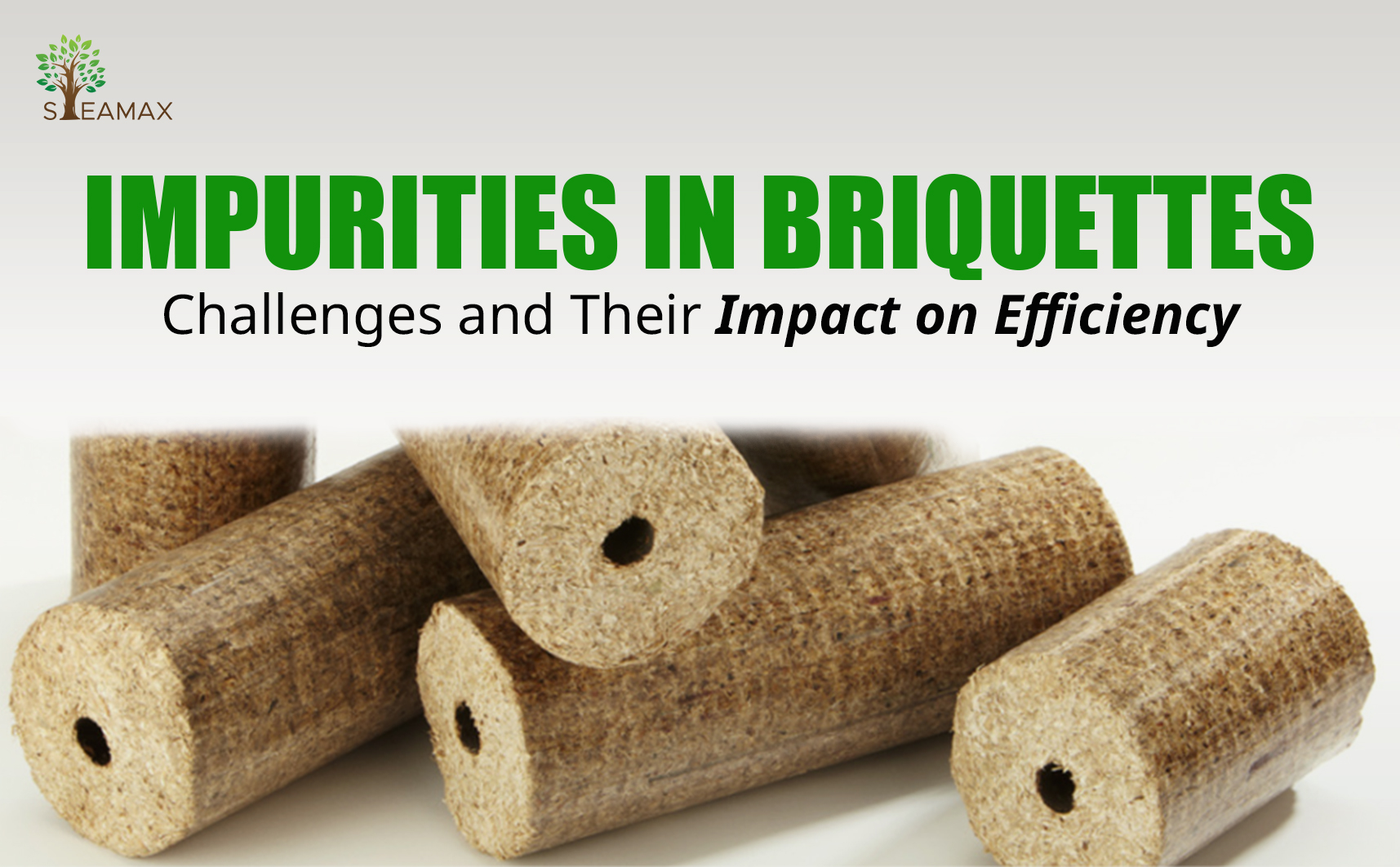
Briquettes have become a popular alternative fuel source, offering industries a renewable and cost-effective option. Briquettes are made from compressed biomass materials such as wood wastes, agricultural residues, industrial waste residues, and energy crops. However, not all briquettes are created equal. Their efficiency, combustion quality, and environmental impact depend primarily on their purity. When briquettes contain impurities like excess moisture, ash, or chemical additives, they burn inefficiently, produce excessive emissions, and can even damage combustion equipment.
In this blog, we’ll explore the common impurities in briquettes, how they impact performance, and the best practices for ensuring high-quality, clean-burning fuel.
Common Impurities in Briquettes
Briquette impurities can come from poor-quality raw materials, manufacturing flaws, or contamination during storage. These impurities impact performance, efficiency, and safety.
1. Inorganic Impurities (Increase ash content, cause fouling & slagging in boilers)
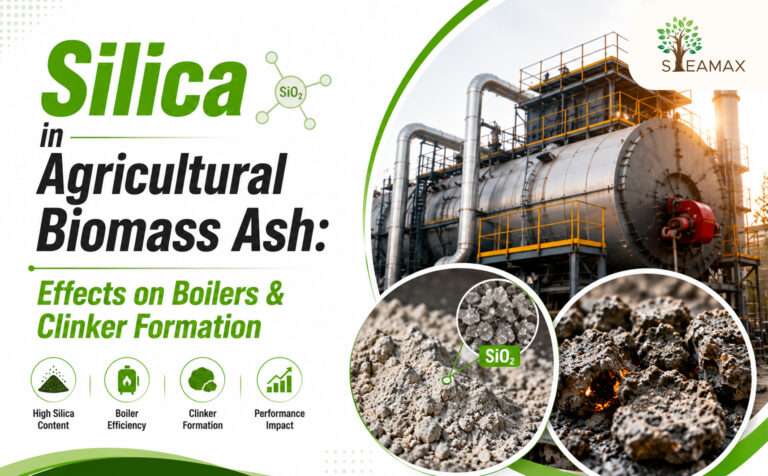
- Silica (SiO₂): Common in rice husk & wheat straw; leads to clinker formation.
- Alkali Metals (K, Na): Found in biomass; cause slagging & high-temp corrosion.
- Chlorine (Cl): Present in straw & miscanthus; accelerates metal corrosion.
- Sulfur (S): Found in industrial biomass waste; emits SO₂, causing pollution.
- Heavy Metals: Contaminated wood or industrial waste biomass may contain toxic metals.
2. Moisture & Volatile Impurities (Affect combustion efficiency & emissions)
- High Moisture Content: Reduces efficiency; ideal level <12%.
- Resins & Tars: Found in woody biomass; cause excessive smoke & deposits.
- Unburnt Carbon: Due to incomplete combustion or poor compression.
3. Biological Impurities (Degrade briquette quality over time)
- Fungal & Bacterial Growth: Occurs in humid storage conditions, leading to biodegradation.
- Insects & Pests: Infest improperly stored briquettes, reducing usability.
4. Foreign Matter & Contaminants (Reduce quality & increase maintenance costs)
- Soil & Dust: Collected during handling; raises ash content.
- Stones & Metal Fragments: Damage machinery & combustion chambers.
- Plastic & Non-Biomass Waste: Causes toxic emissions when burned.
Problems Associated with Impure Briquettes
Using low-quality briquettes with impurities can cause serious efficiency and operational issues.
- Lower Energy Efficiency: Impurities dilute the calorific value of briquettes, meaning more fuel is needed to produce the same amount of heat. Higher fuel consumption = higher costs.
- Excessive Smoke and Pollution: Briquettes with high moisture, ash, or chemical additives produce excessive smoke, which can lead to air pollution and respiratory hazards.
- Health Risks: Burning impure briquettes can release harmful toxins that pose serious respiratory risks, especially in enclosed spaces.
- Clogging and Equipment Damage: Unburnt carbon, ash, and foreign particles build up inside stoves and boilers, leading to blockages, reduced airflow, and frequent breakdowns
- Ash Disposal Issues: Briquettes with high ash content increase waste disposal costs. They also require frequent cleaning, making them inefficient for industrial use.
Solutions: How to Ensure High-Quality Briquettes
- Use High-Quality Raw Materials: Briquettes should be made from clean biomass sources like sawdust, wood chips, and agricultural waste.
- Proper Drying and Carbonization: Before compression, biomass materials should be dried thoroughly to reduce moisture content. Carbonization should be fully completed to enhance energy efficiency.
- Testing for Contaminants: Manufacturers should conduct regular quality checks to detect ash content, moisture levels, and chemical impurities before production.
- Avoid Chemically Treated Biomass: Using only natural binders (such as starch or molasses) ensures that briquettes burn cleanly without releasing toxic fumes.
- Implement Strict Quality Control Measures: Adopting quality standards helps maintain consistency in briquette production, ensuring users receive reliable and efficient fuel.
Choosing a Cleaner and More Efficient Alternative
For industries looking for high-quality biomass fuel, selecting impurity-free fuel that ensures efficient combustion and minimal emissions is essential. One such advanced biomass fuel is Astillas, a patented fuel developed by Steamax.

Why Astillas is a Superior Biomass Fuel?
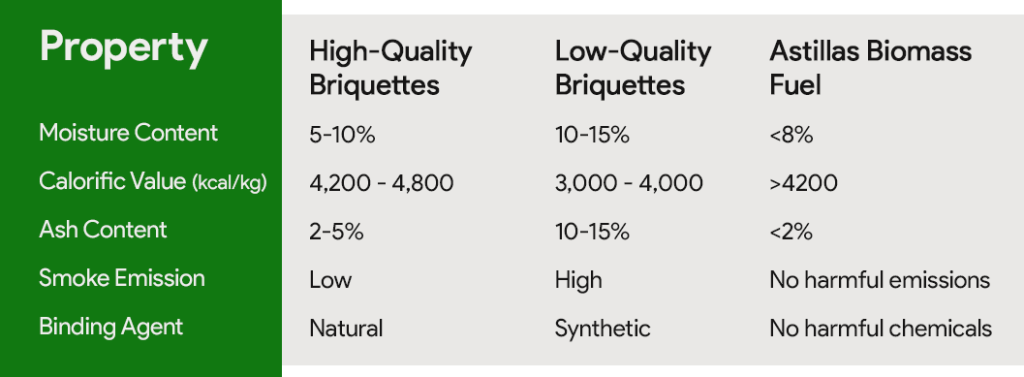
- Low Moisture – Below 10%, ensuring efficient combustion with minimal smoke.
- No Additives – 100% natural, free from chemicals and binders.
- High Energy Output – 4,200-4,500 kcal/kg, reducing fuel consumption.
- Consistent Quality – Uniform size (6-12mm), density (~1.2 g/cm³), and low ash (<2%), ensuring reliable performance.
With Steamax’s commitment to quality and sustainability, Astillas offers a cleaner, more efficient, and environmentally responsible alternative to traditional briquettes.
Conclusion
The efficiency and sustainability of biomass depend heavily on purity and quality. Impurities such as moisture, ash, and chemical contaminants reduce efficiency and pose health and environmental risks. By choosing high-quality biomass fuels like Astillas, industries can maximize energy output, reduce emissions, and ensure long-term cost savings.
Steamax’s Astillas is a proven solution that guarantees performance, sustainability, and safety for those seeking a cleaner, more efficient fuel option.