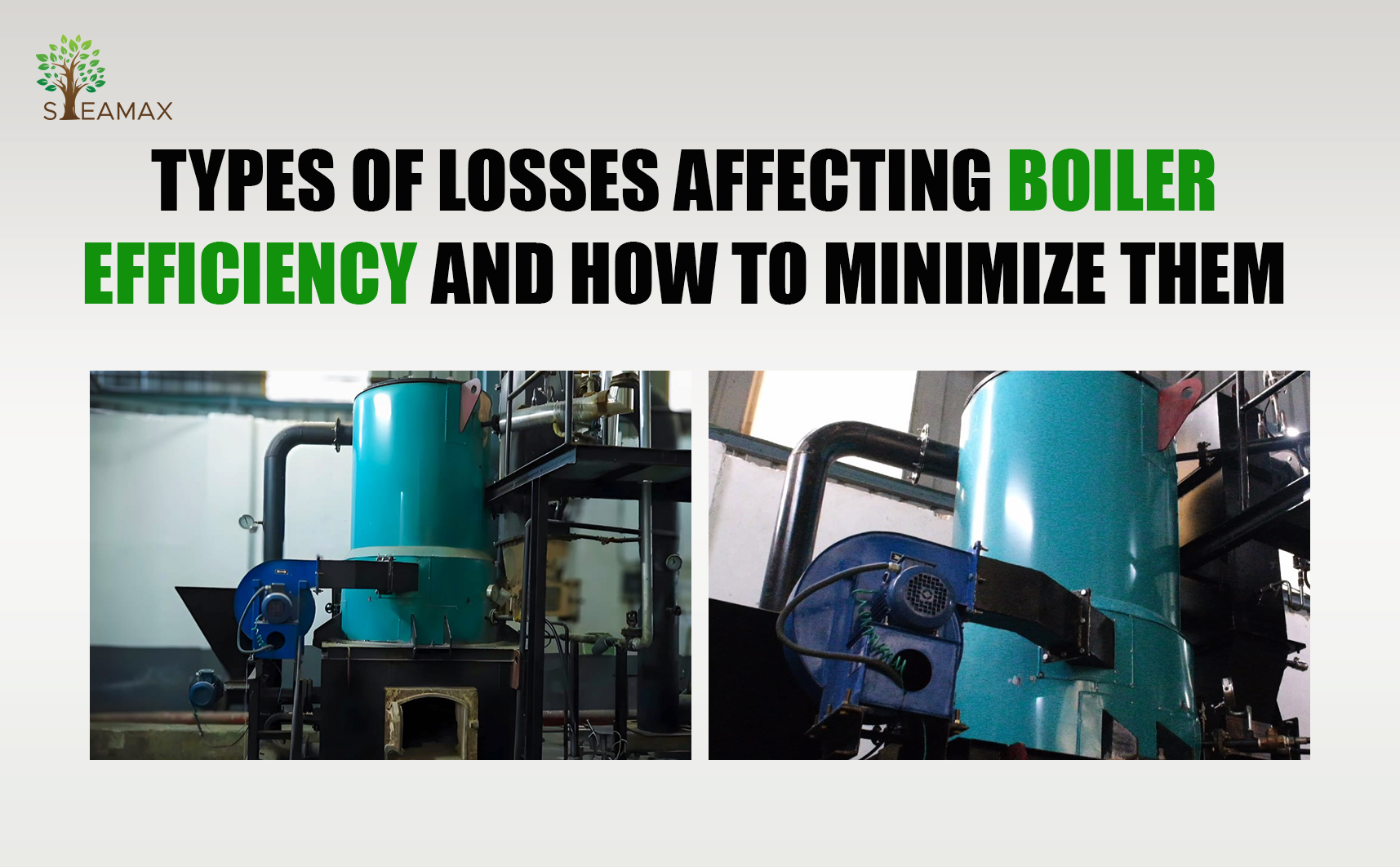
Boilers are essential for industrial operations but rarely operate at 100% efficiently. Heat energy is lost during combustion, steam production, and exhaust, leading to higher fuel consumption and increased operational costs.
To improve boiler efficiency, industries need to understand the various losses in a boiler system and take corrective measures to minimize them. This guide explores the key losses affecting boilers and practical ways to enhance efficiency.
Dry Flue Gas Loss – The major Contributor to Heat Waste
What is it?
Dry flue gas loss occurs when hot gases escape through the chimney without transferring enough heat to the boiler water. This is one of the most significant efficiency losses in a boiler.
Causes:
- Excess air supply increases heat loss.
- High stack temperature indicates poor heat transfer.
- Inefficient combustion leads to unburnt fuel and higher flue gas temperature.
- Poor heat transfer
- The boiler not running at full or rated load
How to Reduce It?
- Monitor and control oxygen levels in flue gas using oxygen trim controls.
- Maintain flue gas temperature between 150°C and 200°C for better heat transfer.
- Use economizers to capture waste heat and preheat feed water.
Moisture Loss – Losing Energy to Water Evaporation
What is it?
Moisture in fuel absorbs heat during combustion, reducing the energy available for steam production. This loss is especially high in biomass and coal-fired boilers.
Causes:
- High moisture content in fuel like coal, biomass, HSD or Furnace oil.
- Incomplete combustion due to poor fuel quality.
- Low combustion temperature, preventing complete fuel burning
How to Reduce It?
- Use low-moisture fuels to improve combustion efficiency.
- Pre-dry biomass before use in boilers.
- Optimize fuel-air ratio to achieve higher combustion temperatures.
- An air preheater and optimal air-fuel ratio reduce moisture loss.
Fly Ash Loss – Fine Particles Escaping Without Burning
What is it?
Fly ash loss is the escape of fine unburnt carbon and ash particles, including metal oxides and other non-combustible inorganics, with flue gases, leading to fuel waste and higher emissions.
Causes:
- Incomplete combustion due to poor fuel-air mixing.
- Low furnace temperature prevents complete carbon burning.
- Poor burner performance or improper fuel feed rate.
How to Reduce It?
- Optimize air-to-fuel ratio to ensure complete combustion.
- Use high-efficiency burners for better fuel mixing.
- Install cyclones or bag filters to capture fly ash and prevent loss.
Unburnt Fuel Loss – Wasted Energy from Incomplete Combustion
What is it?
Unburnt fuel loss occurs when fuel particles leave the furnace without fully combusting, leading to energy wastage and increased operational costs.
Causes:
- Poor burner design leads to inefficient combustion.
- Low furnace temperature reduces fuel-burning efficiency.
- Poor fuel distribution inside the combustion chamber.
- Low Residence time, overfeeding, improper fuel sizing
How to Reduce It?
- Improve fuel-air mixing to enhance combustion.
- Maintain higher furnace temperatures for complete fuel burning.
- Regularly inspect burners and optimize their position and fuel injection.
Radiation and Convection Losses – Heat Escaping from Boilers Surfaces
What is it?
Radiation and convection cause heat to be lost through boiler walls, pipes, and openings. While these losses are small compared to others, they still impact overall efficiency.
Causes:
- Poor boiler insulation leads to radiation heat loss.
- Heat escaping through gaps in boiler casing or steam pipes.
How to Reduce It?
- Insulate boiler surfaces, pipes, and heat exchangers.
- Seal air leaks in the boiler housing to prevent heat escape.
- Regularly inspect for insulation damage and repair it promptly.
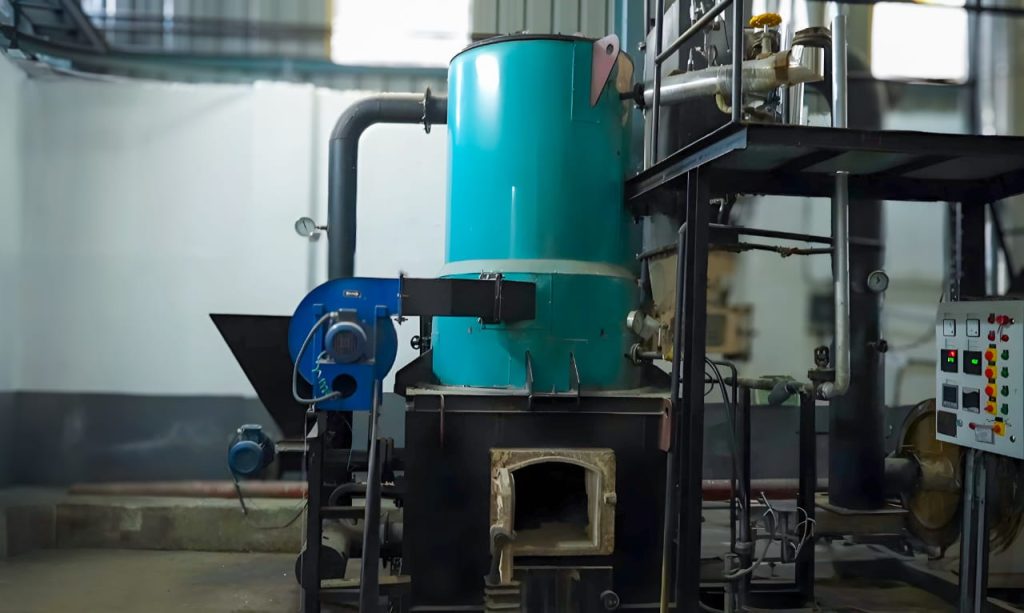
How Steamax Helps Industries Improve Boilers Efficiency
While reducing losses is essential, investing in high-efficiency boiler solutions can further enhance performance and fuel savings. Steamax India provides advanced biomass boilers and energy-efficient solutions to help industries.
By choosing Steamax’s cutting-edge biomass solutions, industries can maximize energy output, reduce fuel consumption, and achieve long-term cost savings.
Conclusion: Reducing Boilers Losses for Maximum Efficiency
Boilers will always experience some energy loss, but understanding where these losses occur allows industries to take proactive measures to optimize performance and save fuel costs.
By addressing dry flue gas loss, moisture loss, fly ash loss, and unburnt fuel, businesses can achieve:
- Lower fuel consumption and reduced operational costs.
- Improved steam generation efficiency with better combustion.
- Environmental benefits through reduced emissions and heat waste.
For industries looking to upgrade their boiler systems, Steamax offers innovative biomass solutions that enhance efficiency while promoting sustainability.
Ready to optimize your boiler performance? Explore Steamax’s advanced solutions today!