
Summary:
- This article explains how cashew shells and deoiled cake are transformed into Astillas,
- Why oil content and fuel consistency matter, and
- Customer-reported experiences with Steamax fuel and combustion systems.
Cashew processing generates substantial quantities of shells that can be used to produce valuable industrial materials, including biomass fuel. After cashew nutshell liquid (CNSL) is extracted, the remaining material is commonly known as cashew deoiled cake (DOC).
However, raw cashew DOC may not suit every combustion system. Its residual oil content, material properties, and combustion behaviour can affect fuel handling, equipment performance, and maintenance.
Steamax’s Astillas biomass fuel combines processed biomass materials to provide an alternative fuel for suitable industrial heating applications.
How Is Cashew DOC Transformed into Astillas?
The production process involves several stages, from shell processing to blending and quality checks.
1. Cashew Shell Processing
Cashew shells are separated from the kernels during processing. which consist of a high amount of Cashew Nutshell Oil (15-25%) and anacardic acid
2. Oil Extraction
CNSL is extracted from the shells, leaving behind a solid residue. The amount of oil remaining depends on the extraction method and processing conditions.
3. Residual Oil and Material Assessment
The deoiled cake is assessed for residual oil and other relevant properties. Excess residual oil can affect handling and combustion, so the material must suit the intended fuel application.
4. Blending with Other Biomass
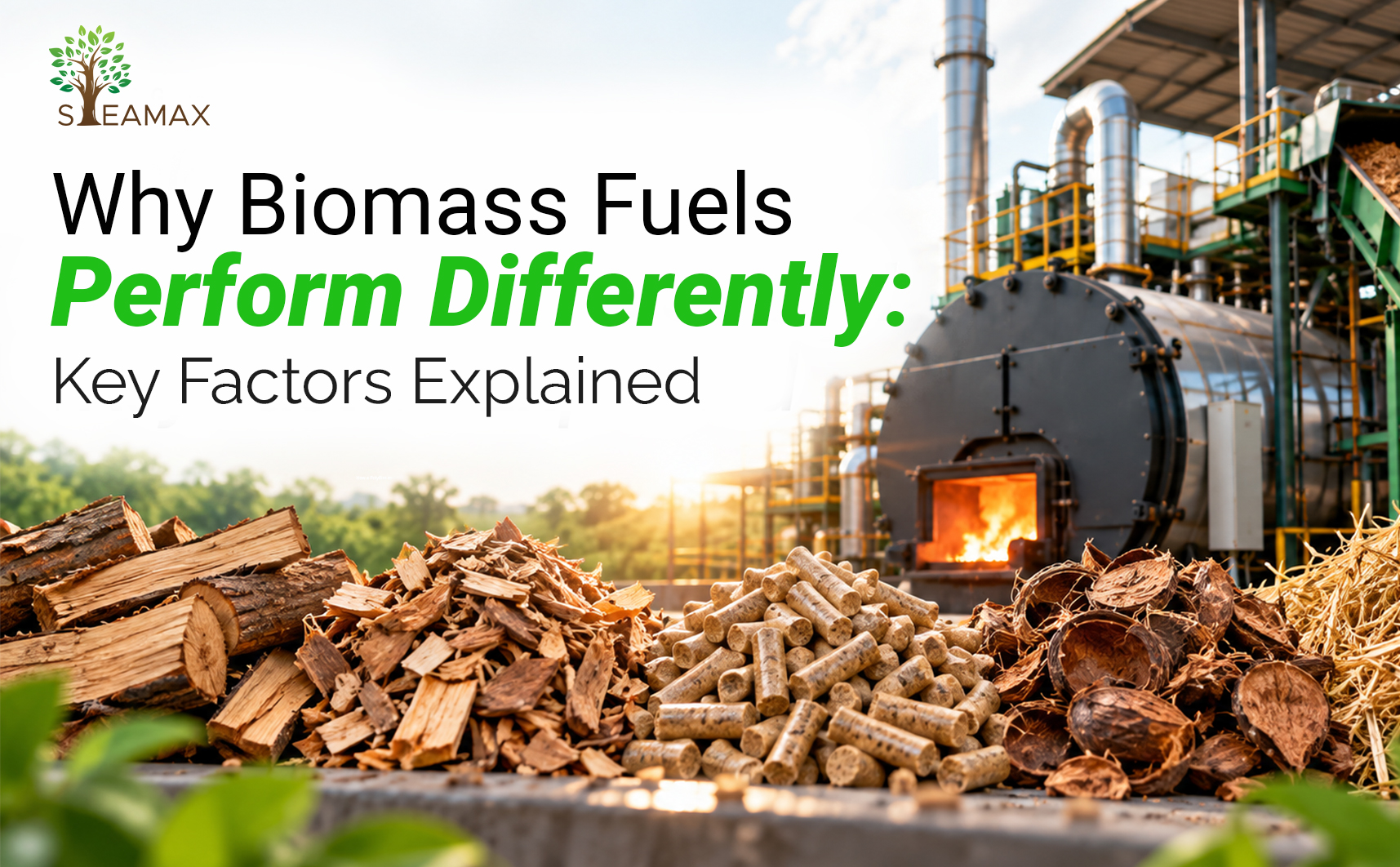
The processed material can be blended with biomass such as sawdust and wood chips. The blend is designed to improve fuel consistency and suitability for industrial combustion equipment.
5. Screening and Quality Control
The final blend is screened to manage particle size and remove unsuitable material. Quality checks help ensure that the fuel meets the specifications required for storage, feeding, and combustion.
The Transformation Process: From Cashew DOC to Astillas

Astillas vs. Cashew DOC: What Is the Difference?
| Property | Cashew Deoiled Cake (DOC) | Steamax Astillas |
|---|---|---|
| Composition | Residue remaining after CNSL extraction | Processed blend of biomass materials |
| Residual oil | Depends on the extraction process | Depends on the finished blend and its specifications |
| Fuel consistency | Can vary between batches | Blending and screening aim to improve consistency |
| Combustion performance | Depends on composition and equipment | Depends on fuel quality and system compatibility |
| Handling requirements | Requires appropriate handling based on material properties | Requires suitable storage and fuel-feeding arrangements |
| Industrial suitability | Must be assessed for the intended system | Designed for suitable industrial biomass applications |
Why Fuel Quality Matters
- More Consistent Combustion
Fuel composition and particle size influence how biomass moves through a feeding system and burns in a furnace. A suitable, consistent blend can help reduce feeding interruptions and support stable heat output.
- Equipment Protection
Unsuitable fuel can cause deposits, corrosion, clinker formation, or other maintenance problems, depending on its chemical composition and operating conditions. Fuel selection should therefore consider more than price per kilogram.
- Smoke and Emissions Management
Cleaner operation depends on fuel quality, combustion temperature, air supply, furnace design, and pollution-control equipment. No biomass fuel can guarantee smoke-free or emission-free operation in every installation.
Explore Steamax Astillas
Converting cashew-processing residues into biomass fuel offers a way to make productive use of industrial by-products. With proper processing, blending, and quality control, these materials can support industrial heat generation.
Steamax supplies Astillas biomass fuel for suitable industrial applications.
To discuss your fuel requirements, contact the team
Email: info@steamaxindia.com
Phone: +91 93151 24803
Website: Contact Steamax