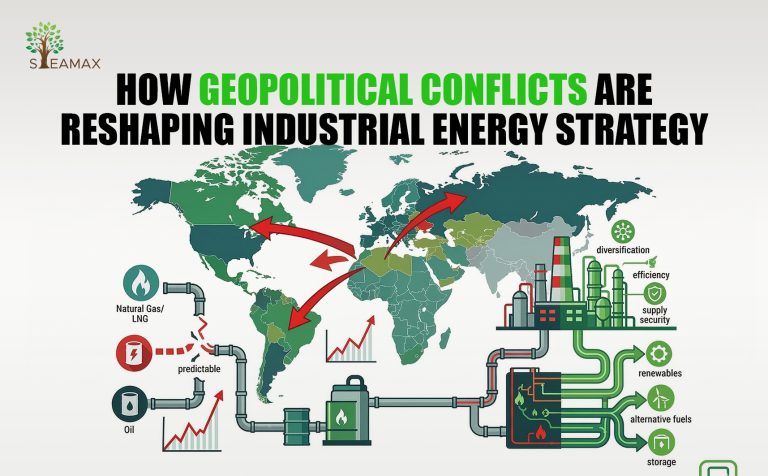
Fuel prices have steadily increased worldwide, triggering protests and widespread economic concerns. The primary drivers behind this surge include growing global demand, geopolitical tensions, and local government policies.
- Increased Demand: Emerging economies like India and China are rapidly industrializing, leading to higher demand for fuel. As these nations continue to grow, their energy needs increase, putting pressure on global fuel supplies.
- Geopolitical Tensions: The conflict between Russia and Ukraine has further exacerbated the situation. Russia, one of the world’s largest oil and gas producers, has faced sanctions limiting its exports. This reduction in supply has driven up global fuel prices.
- Government Policies: Government taxes and policies also play a significant role in specifying fuel prices. In India, for example, excise duties on petrol have made it more expensive for consumers. Additionally, the distance from oil depots to cities or regions affects fuel pricing, with more remote areas paying higher prices.

The Impact of Rising Fuel Prices on Inflation
Oil and its derivatives are essential to the global economy, making up 3-4% of the global GDP. A rise in fuel prices doesn’t just affect gas stations—it impacts the entire economy. The increased fuel cost leads to higher transportation costs, which, in turn, raises the prices of goods and services across the board. In a country like India, where fuel is already one of the costliest in the region, these price hikes further strain the economy and the average consumer.
The New PNG and CNG Price Hike in NCR
In the National Capital Region (NCR) of India, the prices of Compressed Natural Gas (CNG) and Piped Natural Gas (PNG) have also seen significant increases. Indraprastha Gas Ltd (IGL) recently raised CNG prices by nearly 4% and PNG prices by more than 10%. These hikes respond to increased demand and higher fuel taxes, increasing the economic burden on consumers and industries.

Switch to Biomass with Steamax’s OBR Kit
As fossil fuel prices continue to climb and their environmental impact becomes more apparent, industries increasingly turn to alternative energy sources. Biomass is one such alternative that offers both environmental and economic benefits. However, transitioning to biomass can seem daunting for many industries.
That’s where Steamax’s Oil to Biomass Retrofit Kit (OBR) comes in. Designed to convert diesel or gas-fired boilers to biomass, the OBR kit offers a cost-effective and sustainable solution. Here’s how it can benefit your industry:
- Cost Savings: Save 20 to 50% on fuel costs by switching to biomass. The OBR kit helps reduce dependency on expensive fossil fuels, leading to significant savings.
- Automatic Operation: The kit includes automatic fuel-feeding and ash removal systems, minimizing labour costs and ensuring efficient operation.
- Zero Carbon Emissions: Biomass is a carbon-neutral fuel, meaning it doesn’t contribute to the net increase of carbon dioxide in the atmosphere. The OBR kit ensures a sustainable and pollution-free environment.
- No IBR Approval Needed: The OBR kit is designed to be compatible with existing gas or oil-based systems, eliminating the need for additional approvals from the Indian Boiler Regulations (IBR).
Conclusion: Embrace the Power of Biomass
As fuel prices rise, industries must have adequate and sustainable alternatives. Steamax’s OBR Kit offers a seamless transition to biomass, reducing your fuel carbon footprint. Take control of your energy future today. Reach out to call for more details.