
Summary
- Industrial boilers depend on multiple systems working together to produce and distribute steam safely.
- From feedwater and fuel supply to flue gas management and blowdown, every component plays an important role in boiler performance.
- This guide explains the main components, their functions, and why regular maintenance matters.
Boilers are the backbone of steam generation, providing heat for industrial processes, power generation, and heating applications. But have you ever wondered what makes them work efficiently? Each component plays a critical role in ensuring smooth operations, energy savings, and safety. This blog breaks down the essential parts of a boiler system and explains how they work together to optimize performance and maintain reliability.
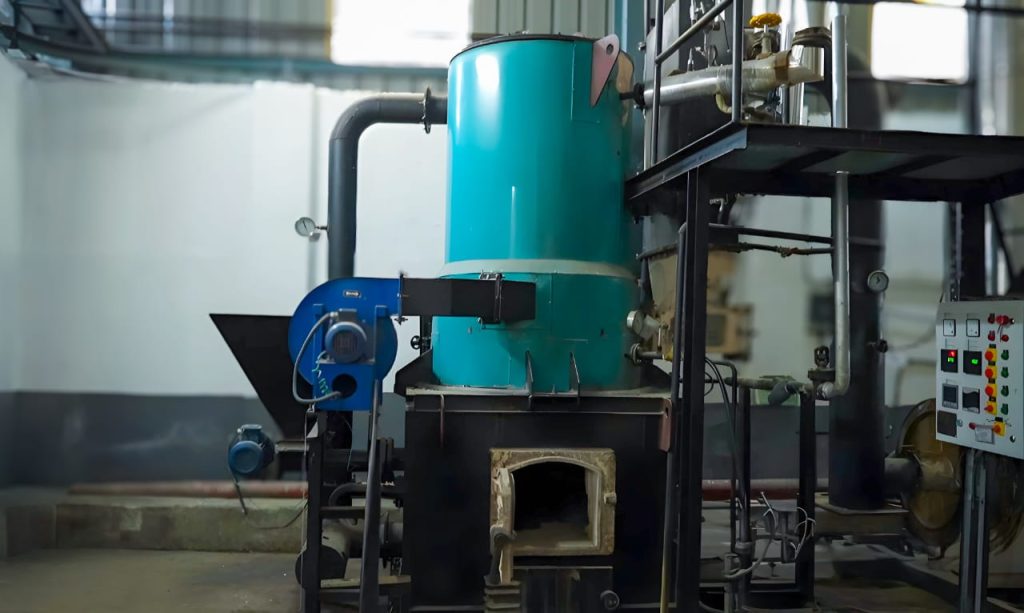
Feed Water System: The Lifeblood of Boiler Operation
The feed water system is the heart of a boiler’s operation, providing the water to generate steam. Therefore, its proper functioning is crucial for consistent steam production.
Role of Feed Water:
- Water Supply: It supplies water to the boiler, which converts it into steam. Any interruption in the water supply can disrupt operations.
- Water Regulation: Ensuring the right amount of water is fed helps maintain a steady steam output and prevents overheating or damage.
- Water Treatment Processes: Feed water must be treated to remove impurities, salts, and minerals that can cause scaling and corrosion.
Common methods include:
a. Softening: Reduces hardness by removing calcium and magnesium ions.
b. Demineralization: Removes all dissolved solids to ensure optimal performance.
Steam System: Delivering Heat Where It’s Needed
The steam system handles the steam generated and ensures it reaches its intended applications efficiently and safely.
- Steam Distribution: Steam is directed through pipes to power industrial processes, heating systems, or turbines for electricity generation.
- Pressure and Temperature Regulation: Maintaining the correct steam pressure and temperature is essential for system efficiency and preventing energy losses.
- Safety Features:
Relief Valves: Prevent pressure buildup beyond safe limits.
Steam Traps: Remove condensate and ensure dry steam for better efficiency.
Fuel System: Powering the Boiler for Maximum Heat Output
The fuel system supplies the energy required to heat water and produce steam. Its efficiency directly impacts the boiler’s performance and operating costs.
Types of Fuel: Boilers can run on various fuels, including:
- Natural Gas: Clean-burning and efficient.
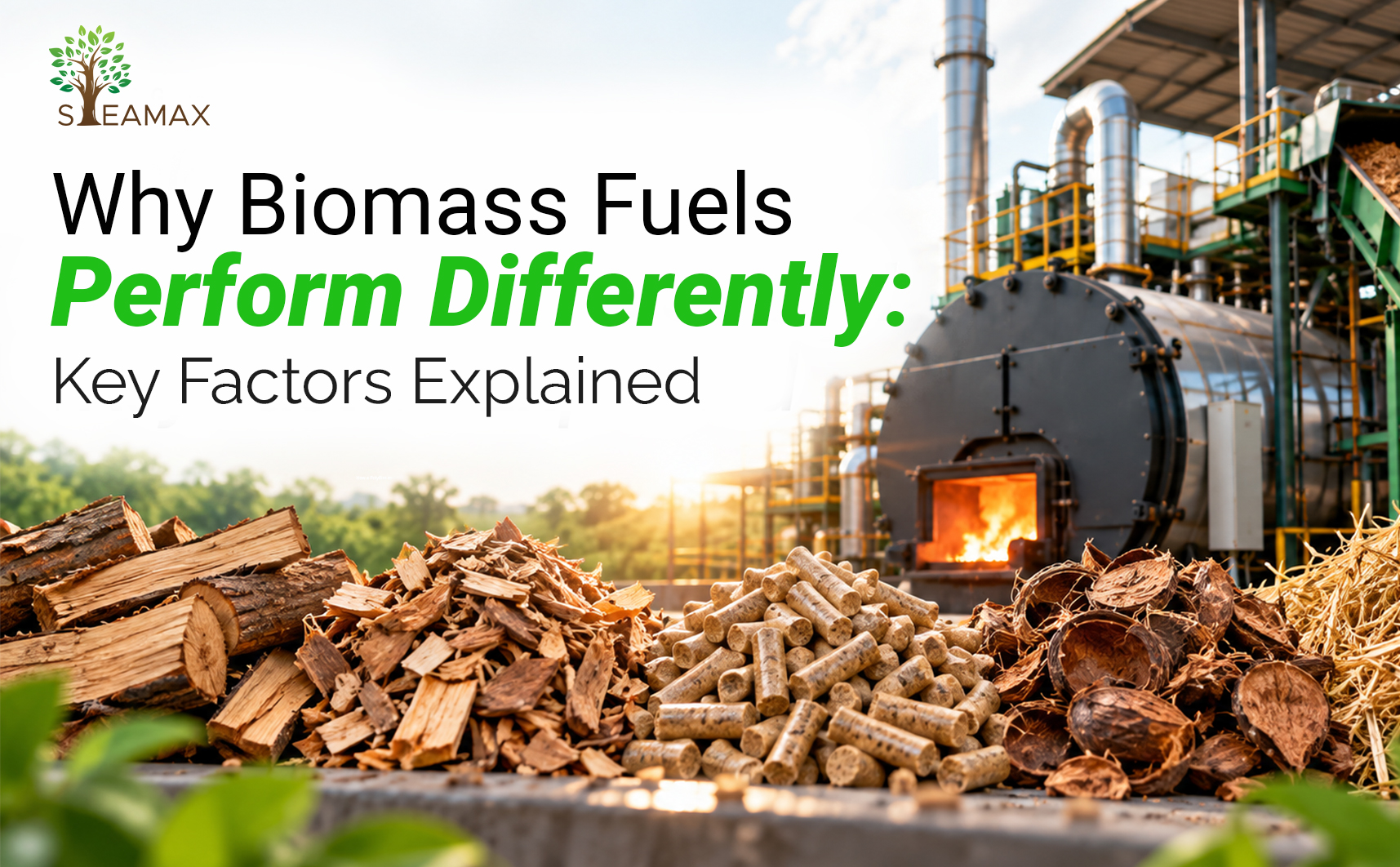
- Biomass: Renewable and sustainable but requires consistent quality.
- Coal: Widely used but less environmentally friendly.
- Flue Gas System: Managing Emissions and Exhaust
The flue gas system handles the exhaust gases produced during fuel combustion, ensuring they are safely expelled while minimizing environmental impact.
- Handling Exhaust Gases: Chimneys and flue ducts transport exhaust gases away from the boiler to maintain air quality.
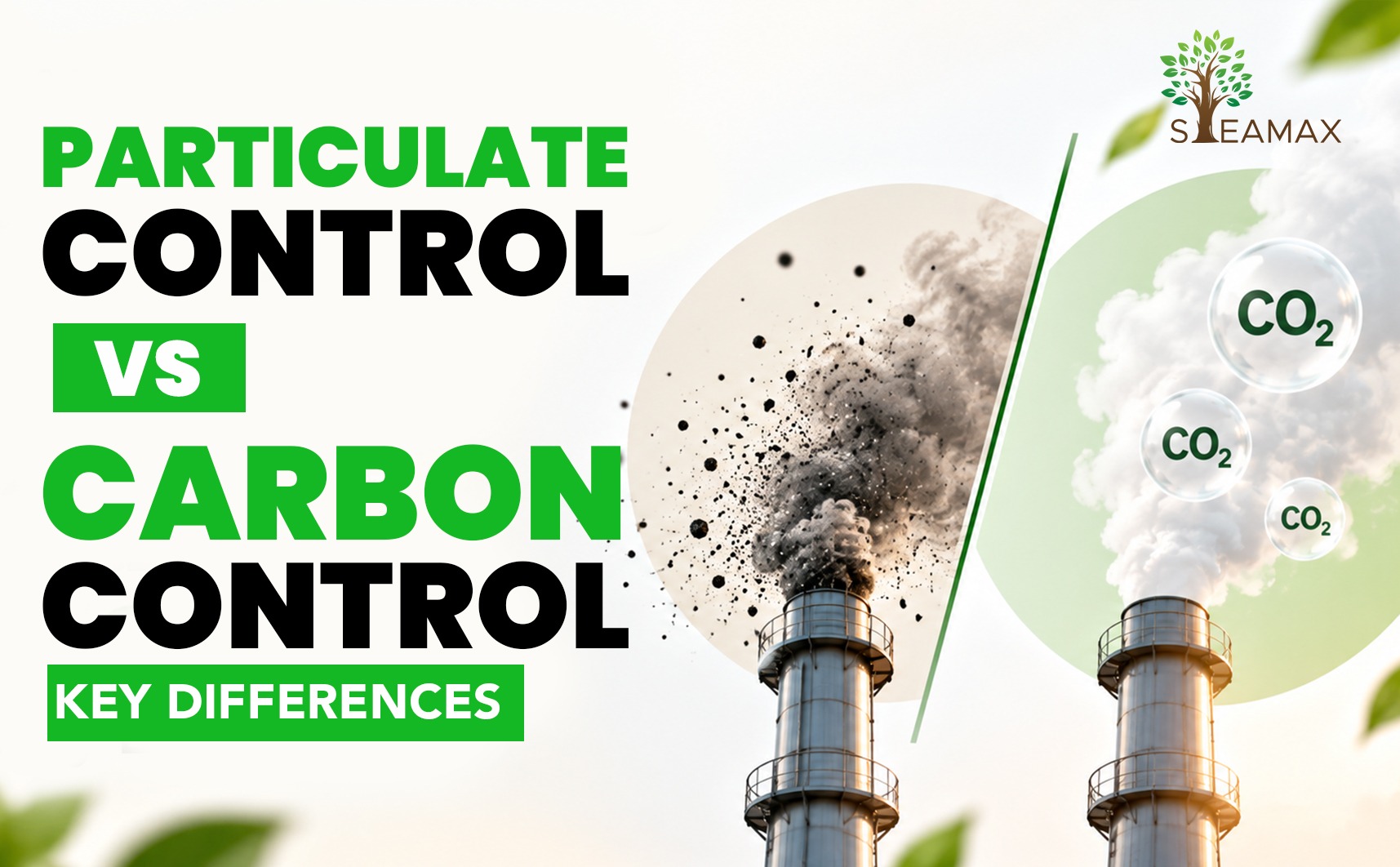
- Emission Control: Modern boilers use systems like wet scrubbers, dry scrubbers and bag filters to reduce harmful emissions such as CO2, NOx, and particulate matter.
Water Treatment System: Protecting Your Boiler’s Health
Untreated water can severely damage a boiler hence, leading to scaling, corrosion, and reduced efficiency. The water treatment system ensures health and longevity.
Preventing Issues: Treated water protects against:
Scale Buildup: Reduces heat transfer and efficiency.
Corrosion: Weakens components and shortens lifespan.
Blowdown System: Ensuring Cleanliness and Longevity
The blowdown system removes contaminants and sediments accumulating over time. So, regular blowdown ensures optimal performance and extends its life.
- Role of Blowdown: It flushes out dissolved and suspended solids from the water.
- Best Practices:
- Monitor water quality and blowdown frequency to conserve water.
- Use Automatic blowdown systems for efficiency and precision.
Why Is Regular Boiler Maintenance Important?
Even a well-designed boiler needs regular inspection and maintenance. Poorly maintained components can increase fuel consumption, reduce steam quality, and cause unexpected shutdowns.
A practical maintenance routine should include:
- Inspecting feed water pumps, valves, and controls.
- Checking safety valves and pressure instruments.
- Inspecting steam traps and pipelines for leaks.
- Cleaning heat-transfer surfaces.
- Monitoring combustion and flue gas conditions.
- Checking water chemistry and blowdown performance.
Maintaining Boiler Efficiency and Reliability
Every component of a boiler system contributes to its overall performance. The feed water system supports steam production, the fuel system provides energy, and the steam system delivers heat to industrial processes. Meanwhile, water treatment, flue gas management, and blowdown help protect equipment and maintain reliable operation.
Understanding these components makes it easier to identify performance issues and plan effective maintenance.
Looking to improve your industrial steam system?
Visit Steamax India to learn more about its boiler solutions and services.