Post-Diwali, Delhi is again grappling with the seasonal spike in air pollution. A dense smog has been hovering over the city for more than ten days, and air quality has plunged into the “inferior” category. The Environment Pollution Prevention and Control Authority (EPCA) chief, Bhure Lal, declared a public health emergency across Delhi-NCR to tackle this worsening situation. It included a temporary shutdown of coal-based industries in the region. Initially, the ban was set to end on November 8th, but it has now been extended to November 15th.
With the National Green Tribunal (NGT) already imposing a ban on pet coke in November 2017, many industries in Delhi-NCR transitioned to coal as their primary fuel. This switch require significant capital investments, yet industries are now being force to shut down again despite these changes. As industries struggle to comply with these new regulations, there is growing anxiety about the future, especially since the NGT is planning a complete ban on coal for industrial use shortly. It marks a decisive shift in India’s energy policies, with the government pushing for a transition away from polluting fossil fuels and advocating for cleaner options like natural gas and renewable energy.
Coal’s Future is Bleak: What’s Next for Industries?
Given the increasing focus on phasing out coal, industries are urgently searching for alternative fuel sources. Pressure is mounting on natural gas and biomass as viable options.
Natural gas is a cleaner fuel, and the Indian government has actively promoted its use in industrial applications. Over the past few years, utility companies have heavily invested in building infrastructure for piped natural gas distribution. Today, most of the major industrial hubs in Delhi-NCR have access to natural gas. Despite this, industries have been hesitant to switch over entirely.
Why are the Industries Reluctant to Embrace Natural Gas?
- Initial Investment: Switching to natural gas isn’t as simple as flipping a switch. It requires a significant investment in pipeline connections and gas-burning equipment. Many industries, especially those that recently invested in coal after the 2017 pet coke ban, are not in a financial position to make another substantial investment so soon.
- Higher Operational Costs: Natural gas is significantly more expensive than coal. Switching from coal to natural gas could result in a 40% increase in fuel costs. At a time when industries are still reeling from the economic impacts of GST implementation and demonetization, absorbing such an increase in operational expenses seems impossible.
Biomass: A Renewable Option with Challenges
Biomass fuels, derived from agricultural waste, offer an attractive alternative to fossil fuels. They are renewable and have zero carbon footprints. But like everything, there’s a catch. Despite its promise, biomass also faces significant challenges.
Challenges with Biomass as Industrial Fuel
- Unregulated Industry: Unlike the coal and natural gas industries, which are well-regulated and organized, the biomass sector lacks such structure. Many industries are wary of relying on biomass suppliers due to inconsistent quality, irregular supply, and unreliable services. There have even been cases where adulterated biomass fuels have damaged industrial equipment or led to accidents.
- Seasonal Variations: Biomass quality, availability, and price fluctuate with the seasons. Biomass fuels, especially those with high moisture content like wood or forest-based materials, often see a significant drop in calorific value during the rainy and winter months. It leads to higher costs and reduced fuel efficiency, making long-term commitments to biomass suppliers risky for industries.
- System Compatibility: Biomass fuels are often process into briquettes or pellets for use. However, in the Delhi-NCR region, the price of high-quality biomass pellets (with a calorific value greater than 4000 Kcal/Kg) ranges between INR 12-16/kg. It is the fact that pellet consumption increases by 5-20% compare to coal, makes the cost of using pellets comparable to that of natural gas. Additionally, the limited number of biomass pellet manufacturers means availability is also a concern. Briquettes, while cheaper, are not compatible with the automatic feeding systems used by most modern industrial setups.
So, What’s the Solution?
Unfortunately, there isn’t a clear answer yet. As a biomass fuel company, we, too, are searching for a viable solution to this growing problem. That’s why we developed a new fuel called Astillas and have started local production in two of our centres in Uttar Pradesh and Haryana.
Introducing Astillas: A Cleaner, Cost-Effective Fuel
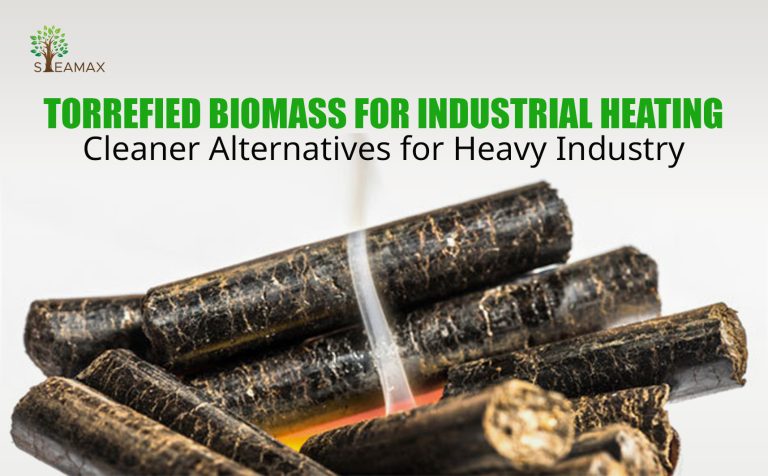
Astillas is design to address many issues plaguing both natural gas and biomass. It’s a cleaner, smokeless fuel compatible with automatic feeding systems and offers a higher calorific value than both briquettes and pellets. Most importantly, it achieves all this without increasing fuel bills, keeping costs on par with coal.

Advantages of Astillas:
- Cleaner Combustion: Astillas burn cleanly, producing little to no smoke, which helps industries comply with strict environmental regulations.
- Cost Efficiency: The fuel costs of Astillas are comparable to those of coal, meaning industries won’t see a spike in their operational costs.
- System Compatibility: Unlike briquettes, Astillas can be easily used with automatic feeding systems, making the transition smoother for industries.
If your industry is looking for a cleaner, more sustainable alternative to coal or if you’re facing challenges with biomass fuels, we’d love to help. Contact us for more information about Astillas and how it can benefit your operations.