
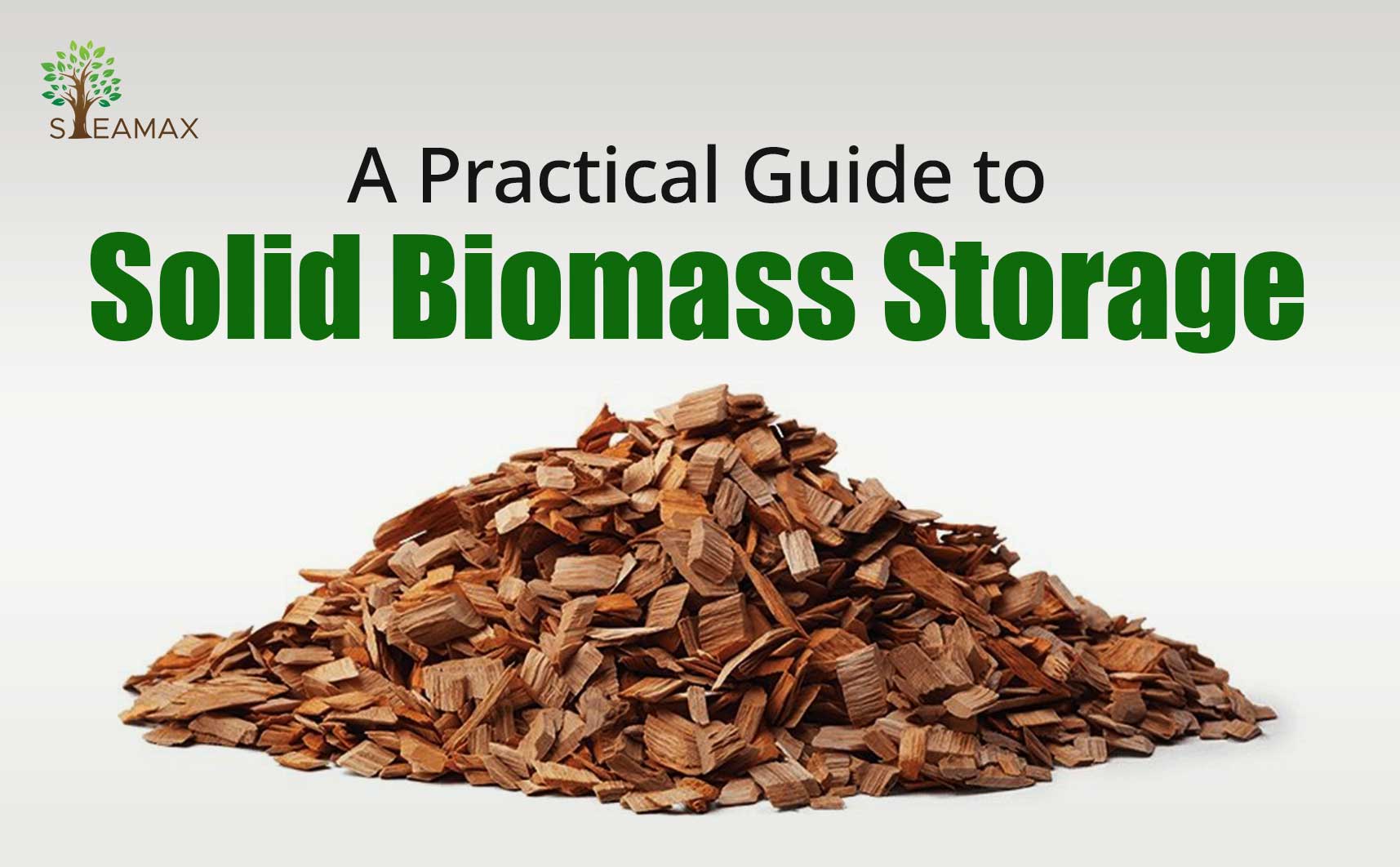
Solid biomass, a renewable energy source, has recently gained significant traction due to its sustainable and eco-friendly characteristics. Whether dealing with loose or densified biomass, efficient storage is crucial for optimizing energy production. In this blog, we will explore the key factors to consider when storing solid biomass.
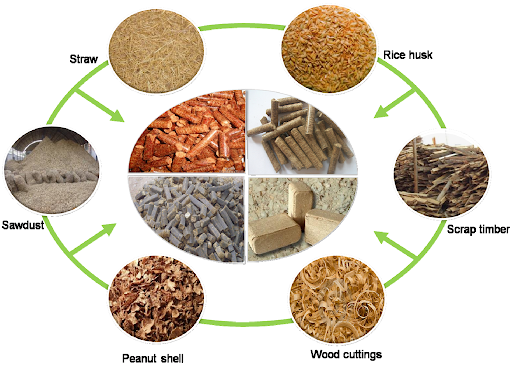
Area Requirements for Solid Biomass
Fuel density plays a significant role in determining the space needed for biomass storage. Loose biomass generally requires a larger storage area than densified biomass. While the exact space requirement depends on factors like bulk density and moisture content, a general estimate is that densified fuels require approximately one m² per ton of fuel storage. In contrast, loose fuels may need about four m² per ton.
Storage Conditions
Proper storage conditions are essential for maintaining the quality of solid biomass. Storing biomass in covered spaces that protect it from rain is crucial to prevent moisture absorption, which can degrade the biomass quality. However, while protecting biomass from environmental exposure, it’s also essential to ensure proper ventilation to prevent dust accumulation, which can pose health risks or fire hazards under certain conditions.
In contrast, storing liquid fossil fuels like diesel and gas requires specialized containers to prevent leaks and spills. These storage areas must be well-ventilated and equipped with fire suppression systems, and secondary containment measures are necessary to catch any potential spills or leaks.
Flammability & Ignitability: Comparing Solid Biomass and Fluid Fossil Fuels
Several factors are crucial regarding the safety of storing solid biomass versus fluid fossil fuels. Let’s delve into a detailed comparison:
1. Flash Point
The flash point of a fuel is the temperature at which it can ignite in the presence of a spark or flame. Fuels with a flash point below 37.8°C (100.0°F) are flammable, while those with a higher flash point are categorized as combustible. Liquid fuels like diesel and gasoline have relatively low flash points. For example, diesel’s flash point is approximately 52°C (126°F), and gasoline’s is even lower, around -188°C (-306°F). These low flash points mean these fuels can ignite at relatively low temperatures, posing a significant fire risk if not stored properly.
On the other hand, solid biomass materials, such as pellets, Astillas, or agricultural residues, generally have much higher flash points. Biomass materials must typically be exposed to temperatures exceeding 200°C (392°F) before they combust. This higher ignition point makes solid biomass safer to store under normal conditions.
2. Self-Ignition Point
The self-ignition temperature, is the temperature at which fuel can ignite without an external ignition source, such as a spark or flame. For diesel, the self-ignition temperature is approximately 210°C (410°F), while for gasoline, it’s about 480°C (896°F). These relatively low temperatures mean there’s a risk of spontaneous combustion if these fuels are exposed to high temperatures.
In comparison, the self-ignition temperature for solid biomass varies depending on the type but is generally higher than that of fluid fossil fuels. For instance, the self-ignition temperature for wood pellets is roughly 300°C (572°F) or higher. This higher ignition point reduces the risk of unexpected combustion during storage.
Conclusion:
While solid biomass and fluid fossil fuels have specific safety considerations, solid biomass generally poses fewer risks regarding storage. Solid biomass’s higher flash and self-ignition points reduce the likelihood of accidental ignition, making storing it generally safer. Unlike fluid fossil fuels, solid biomass storage doesn’t require as stringent containment measures, further minimizing potential environmental risks.
However, managing biomass storage carefully is crucial to minimize dust accumulation and ensure proper ventilation, reducing the risk of dust explosions. By following these guidelines, industries can safely and efficiently store solid biomass.
We have a briqueting plant of 2 tons/hr capacity Rajkot type of 90 mm briquettes. We are 180 Km from Hyderabad and about 400 Km from Poona. Regular full trucks are available. The agro residue available with is Bengal gram, Soya, Towar. Paddy Straw, maize stalk, cotton stalk, sugarcane bagase, Sugarcane leaves. We want to make briquets as guided by you and want to be a supplier to you and deliver at your clients place. We have a storage capacity 5,400 sft and can increase by another 8,000 sft to maintain the supply regularly. We are willing to convert this machine to pellets and add necessary prepratory equipment to make pellets. Please mail us if you would be interested.
Hi Promod, I want to discuss the challenges and advantages of installing a briquettes plant. I live in Hyderabad and am interested in starting this business. If you could spare some time, I would like to ask you some questions to clarify my doubts.
Solid biomass storage is crucial for ensuring a steady energy supply, preventing material degradation, and maintaining safety. Proper methods, such as dry, covered environments and temperature control, help preserve energy content, reduce fire risks, and optimize biomass for future use.
Thanks For Sharing
Your welcome!
Thanks for feedback