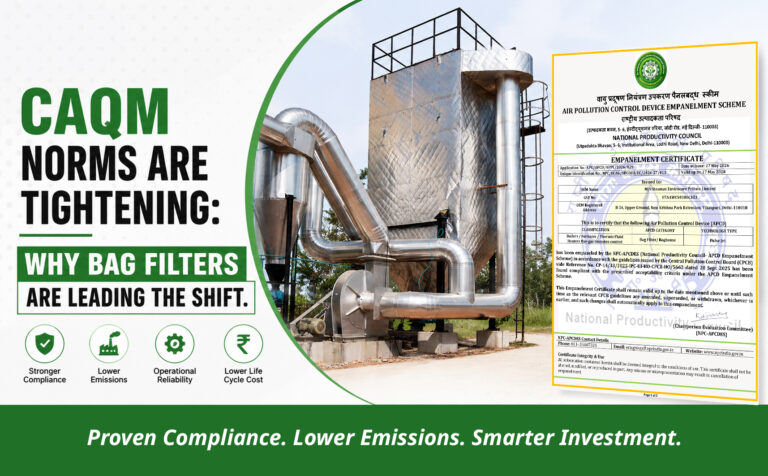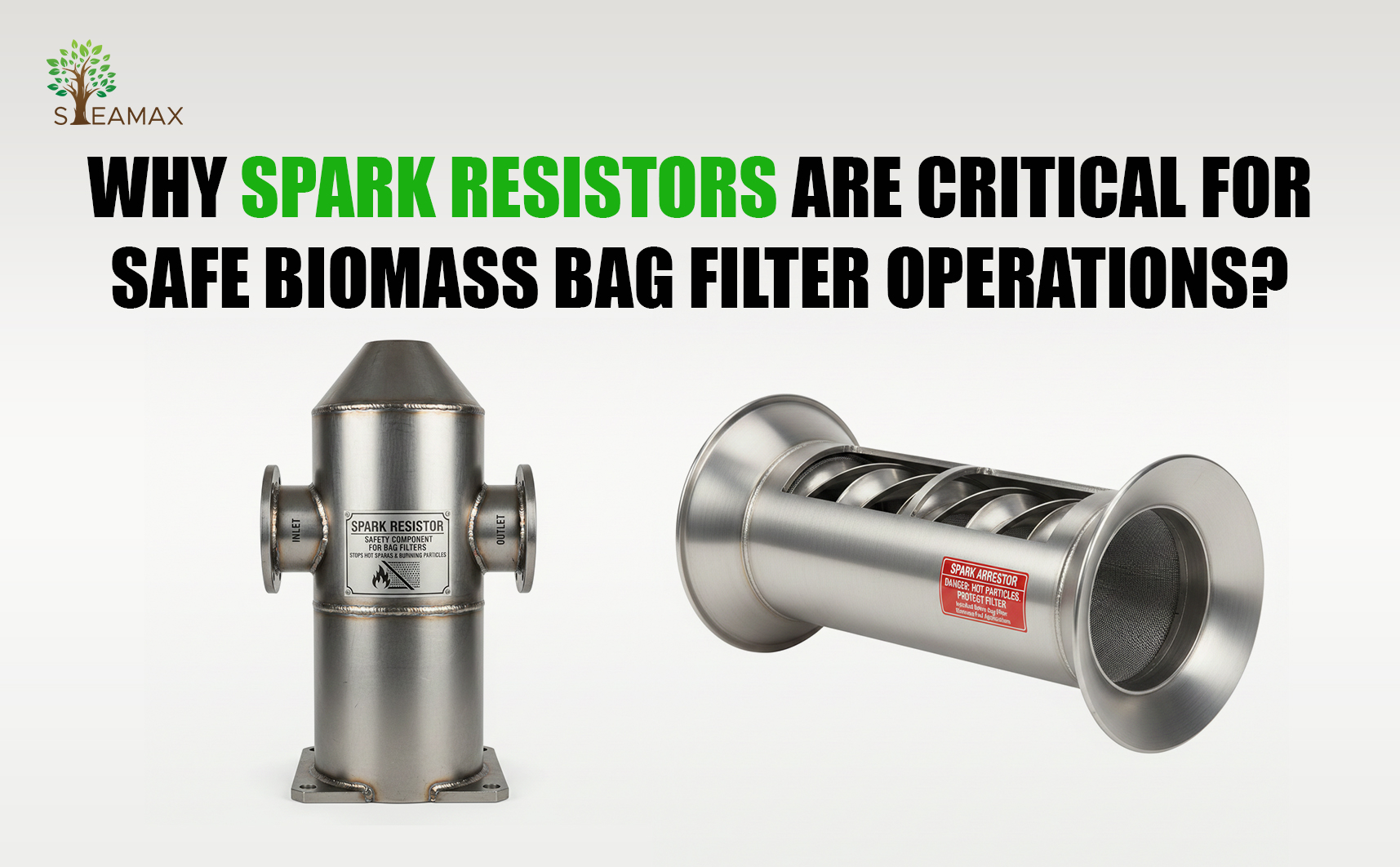
In biomass-fired boiler systems, bag filters play a crucial role in meeting emission norms. However, many plants focus solely on dust collection efficiency and overlook a serious safety risk: hot sparks and glowing ash particles entering the bag filter. Biomass combustion naturally produces unburnt carbon and inconsistent sparks. These particles may not cause visible issues at the furnace outlet, but once they reach the fabric filter bags, they can cause melting, internal fires, or sudden shutdowns. This is why spark resistor becomes essential in biomass systems.
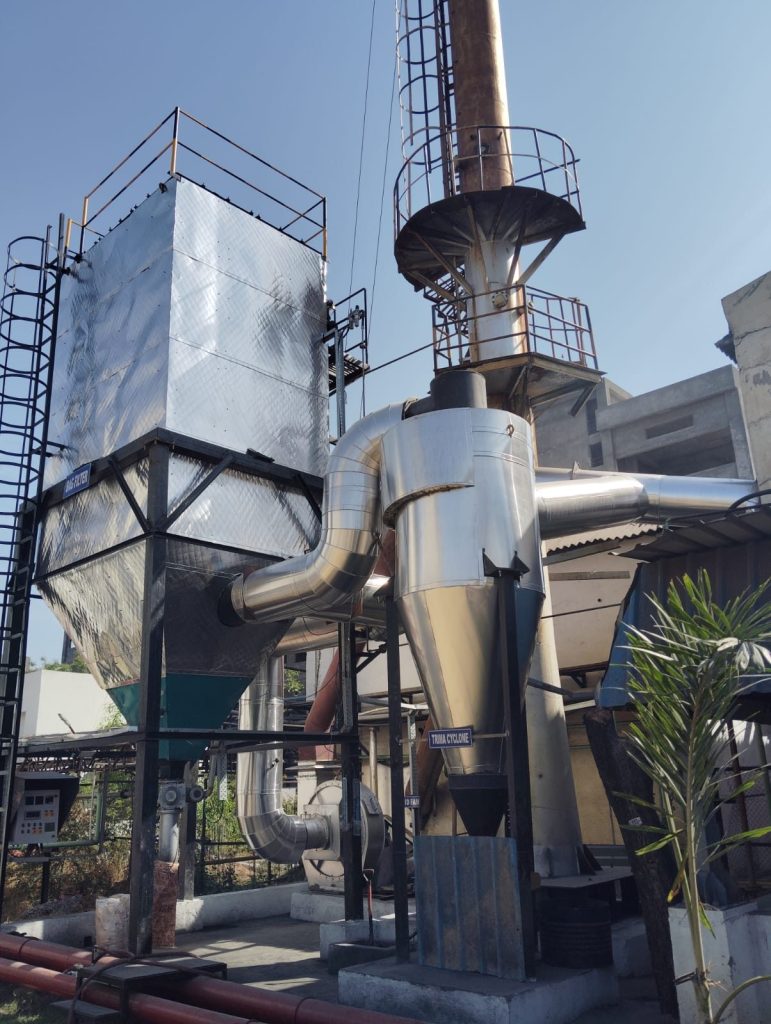
What Is a Spark Resistor and Why Is It Needed?
A spark resistor, known as a spark arrestor, is a mechanical safety device install upstream of the bag filter. Its job is to intercept hot sparks, glowing embers, and burning ash before they reach the filter bags.
In biomass applications, this protection is not optional. Even well-operated boilers generate sparks during load changes, fuel variation, or minor combustion instability. Without it, the filter bags are directly expose to fire risk.
In simple terms, a spark resistor protects:
- Filter bags from heat damage
- The bag house from fire incidents
- Plant operations from unexpected shutdowns
Why Biomass Fuels Increase Spark and Fire Risk
High-ash biomass fuels such as rice husk, bagasse, agro-waste, and wood chips behave very differently from gas or oil. They produce more solid residues and unburnt particles during combustion.
These fuels typically generate:
- Glowing ash particles
- Unburnt carbon carryover
- Irregular combustion sparks
Even when emissions are within limits, these hot particles can travel with flue gas and enter the bag filter if no spark protection is provided. Thus, spark resistors are especially important for biomass-fired systems.
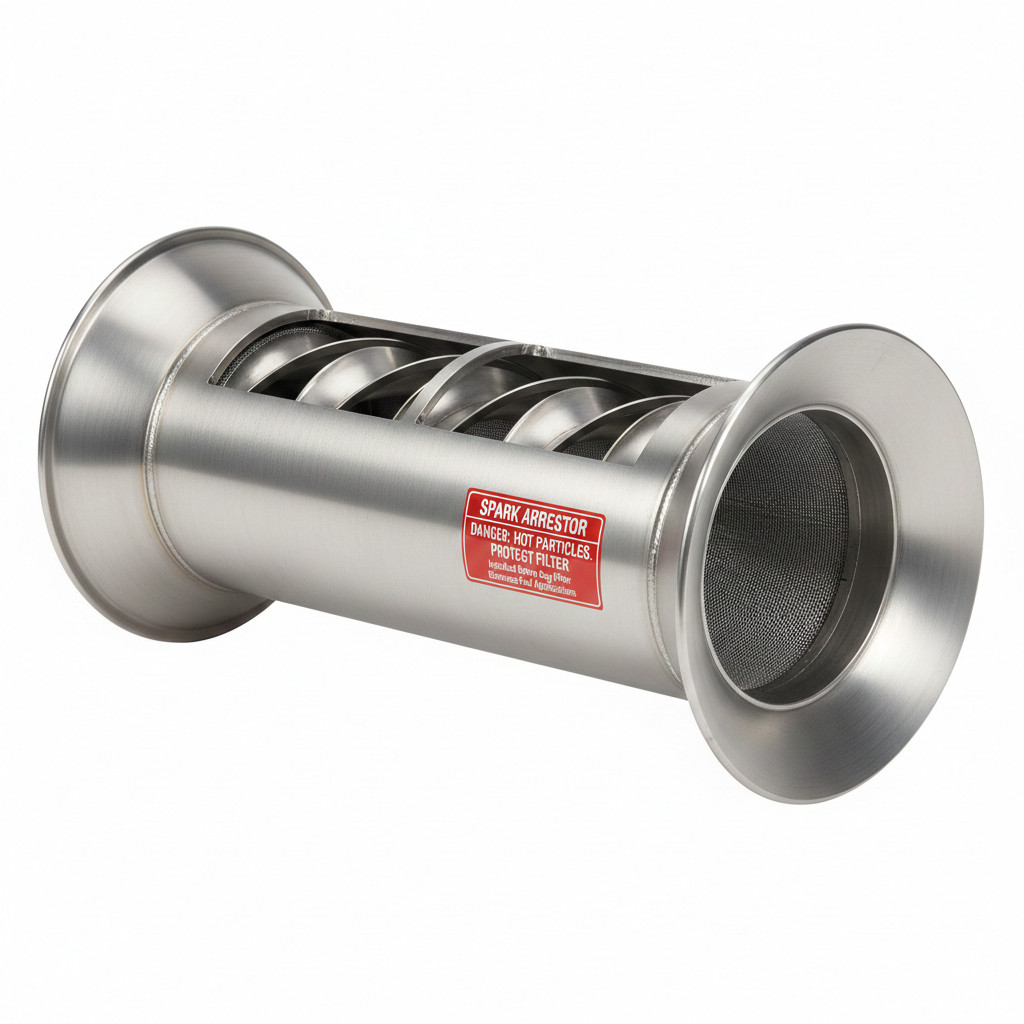
Where is a Spark Resistor Install in the System?
The effectiveness of a spark resistor depends heavily on correct placement. It must be installed early enough to prevent sparks from reaching sensitive equipment.
Typically, it is installed:
- After the boiler or furnace outlet
- After the multicyclone, if one is provided
- Before the ID fan or bag filter inlet
This arrangement ensures sparks are cooled and separated before they can damage the fan or filter bags.
How a Spark Resistor Actually Works?
Spark resistors do not rely on chemicals or suppression systems. They work by applying basic physical principles to neutralise hot particles.
Inside the unit:
- Gas flow turbulence slows down sparks
- Impaction surfaces absorb heat from glowing particles
- Heavier ash and embers lose momentum and fall into a hopper
By the time the flue gas exits the spark resistor, the sparks have extinguished and heavy particles have been removed from the gas stream.
Common Spark Resistor Designs Used in Biomass Plants
The design of a spark resistor depends on fuel type, ash load, and system capacity. Different designs are use to suit different operating conditions.
Common designs include:
- Cyclone-type
- Baffle or impaction plate designs
- Drop-out chambers with ash hoppers
- Combined spark trap and pre-separator units
A properly selected design ensures effective spark removal without disturbing airflow to the bag filter.
Key Benefits for Biomass Bag Filter Operations
Installing a spark resistor provides direct operational and safety benefits. It protects not only the filter bags but the entire dust collection system.
Key benefits include:
- Reduced risk of bag filter fires
- Longer filter bag life
- Fewer unplanned shutdowns
- Lower maintenance and replacement costs
- Improved overall plant safety
Final Takeaway
Biomass offers clear benefits in terms of sustainability and fuel cost, but it also brings specific operational risks. A spark resistor addresses one of the most critical of these risks — fire inside the bag filter.
If a biomass boiler is connected directly to a bag filter without spark protection, the system is vulnerable to sparks. To learn more about safe biomass emission control solutions, visit: www.steamaxindia.com