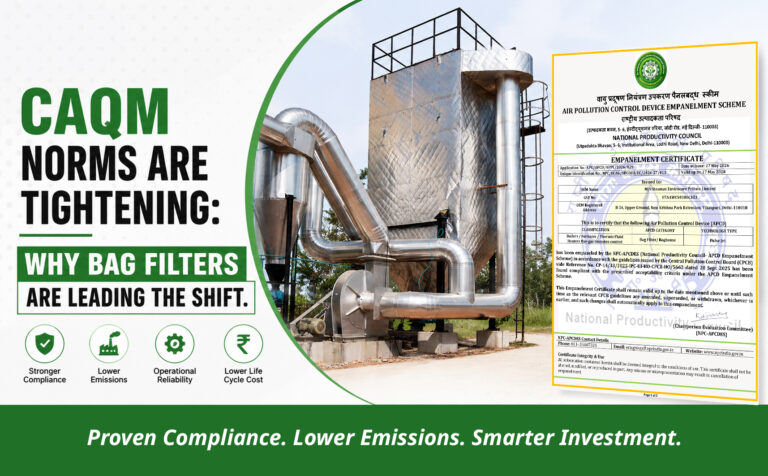
In West Bengal, the thriving rice mill sector — home to over 3,000 active units — depends heavily on husk-fired boilers for steam generation. However, this choice of fuel also attracts strict oversight from the West Bengal Pollution Control Board (WBPCB). With increasing environmental awareness and stricter regulations, compliance has become a critical challenge for mill owners. This article explores the top regulatory hurdles and operational failures that often lead to non-compliance, while offering practical insights on how rice mills can meet emission norms, avoid penalties, and ensure uninterrupted operations.
Why WBPCB Is Tightening the Screws on Rice Mills?
Rice mills using husk-fired boilers fall under the WBPCB’s “Red Category” — the group of industries with the highest pollution potential. This classification subjects them to regular inspections, and in some cases, mills may be inspected as often as once every three months.
The WBPCB has made the installation of bag filters mandatory for controlling particulate emissions from boilers. Enforcement has become increasingly strict, with several mills receiving official notices giving them as little as 30 to 60 days to install compliant pollution control systems.
Missing these deadlines can have severe consequences: suspension of the Consent to Operate (CTO), heavy fines, or even plant shutdowns. These enforcement trends highlight a critical reality — Compliance is no longer optional, it’s non-negotiable.
Compliance Risks: Poor Equipment and Lack of Maintenance
One of the most common mistakes mill operators make is choosing non-standard or locally fabricated equipment to save on initial costs. While these systems may appear affordable, they often fail to meet required emission standards and lack key features such as:
- Proper IS-standard-compliant design
- Reliable performance guarantees
- Valid emission testing certificates
- Long-term Annual Maintenance Contracts (AMC)
Without these essentials, Compliance becomes a gamble. During inspections or breakdowns, mills relying on such setups often struggle with spare shortages and a lack of technical support.
In the long run, this approach leads to greater financial and operational risk — failed audits, sudden shutdowns, and costly rework. Accurate Compliance requires not just installation, but sustained performance backed by guaranteed support.
What Could Be the Way Forward?
The future of West Bengal’s rice milling sector depends on one thing — proactive Compliance.
The financial and reputational risks of non-compliance — including production stoppages, legal notices, and heavy fines — far outweigh the capital costs of installing certified emission control systems.
Mill owners should:
- Invest in certified and technically verified pollution control systems.
- Partner with vendors that offer performance guarantees and localised technical support.
- Explore service-based models that ensure year-round Compliance.
- Regularly monitor the WBPCB EMIS Portal to stay ahead of enforcement actions.
A Proactive Path to Sustainable Compliance
Addressing the unique challenges of rice husk ash requires more than a standard pollution-control system — it requires a solution designed specifically for high-ash biomass-fired boilers.
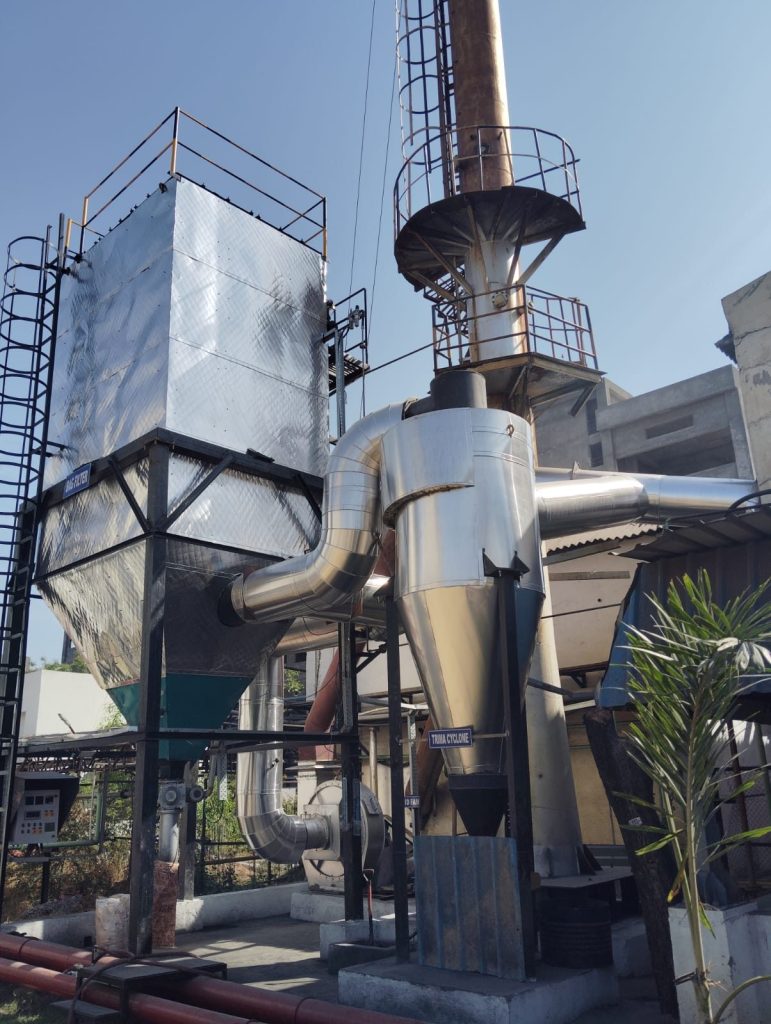
At Steamax, we provide bag filter systems engineered for rice mills using husk-fired boilers. Our systems are designed for swift, 15-day installation and come as a complete bundled solution, including:
- Main bag filter unit
- Cyclone pre-separator for heavy ash separation
- Stack and emission monitoring setup
But accurate Compliance doesn’t end with equipment installation. It continues with sustained support.
That’s why our Compliance as a Service (CaaS) model offers:
- Quarterly emission testing and WBPCB audit support
- On-call spares and maintenance services
- Localised assistance with multilingual (Bengali English) documentation
- Easy EMI and credit options to simplify financing
This approach ensures your operations remain audit-ready and compliant year-round.
Turning Compliance into an Advantage
For West Bengal’s rice mills, Compliance is more than just meeting WBPCB’s requirements — it’s about protecting business continuity, reputation, and long-term profitability. By investing in certified systems, ongoing maintenance, and reliable partners, mill owners can transform from a regulatory burden into a strategic advantage.
To learn more about Steamax’s bag filter systems and long-term solutions, visit orangered-antelope-537718.hostingersite.com