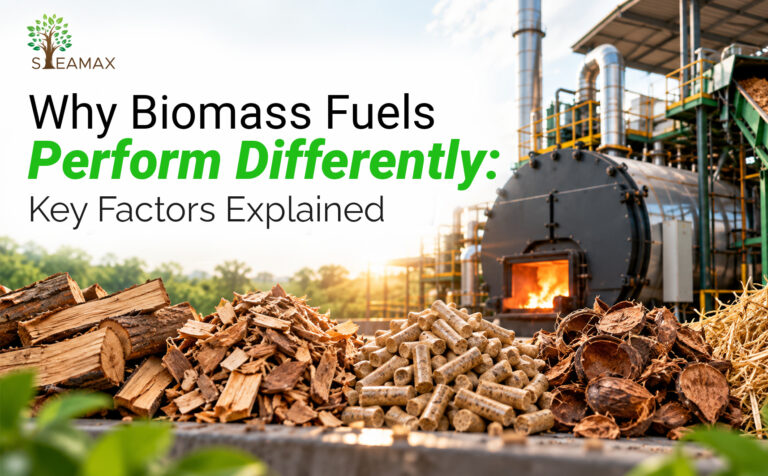
Biomass is often considered carbon-neutral because the carbon dioxide (CO2) it emits during combustion equals the amount absorbed during its lifecycle. Even if biomass isn’t used as fuel, it would still release the same amount of carbon if left to decompose naturally. However, the sustainability of biomass largely depends on the source of the fuel, the processing methods, and it’s utilisation. This blog will explore the challenges of using wood chips as fuel and why Astillas is a more sustainable alternative.

Wood Chips as a Fuel
Wood is abundantly available nationwide and is known for its good combustion properties. With a high calorific value (>4000 Kcal/kg) wood has traditionally been a primary fuel source in many rural areas. However, despite these advantages, wood chips have several significant drawbacks:
- Illegal Source Wood: A large portion of wood fuels is derive from illegally procure wood. Many wood-chipping mills operate without clearances from forest departments, making using wood chips unsustainable.
- High Moisture Content: Wood naturally contains high moisture content (40-60%). When the wood is chipped, this moisture remains intact, increasing transportation costs and negatively impacting the fuel’s efficiency.
- Impact on System Performance: The high moisture content of wood chips can lower the temperature in the furnace, leading to incomplete combustion and increased pollution emissions from boilers.
- Contribution to Deforestation: Using wood chips as fuel can exacerbate deforestation, making it an environmentally unsustainable choice.
Why Astillas is a More Sustainable Choice than Wood Chips
Wood-based biofuels are not genuinely carbon-neutral and can lead to high particulate and CO emissions if not burned in the right combustion system. To address these issues, Steamax developed Astillas, a fuel blend that offers better sustainability and performance.

Key Advantages of Astillas:
- Superior Combustion Characteristics: Astillas boast better combustion properties than wood chips, with a higher calorific value and lower ash content.
- Made from Industrial Waste: Astillas is produce from cashew nut shells, an industrial waste product, making it a more sustainable and eco-friendly option.
- Versatile and Compatible: Astillas is compatible with most boilers, heaters, and burners, making it a versatile choice for various applications.
- Cost-Effective Production: The fuel is manufacture using low-cost, local source biomass with minimal processing, making it economical and sustainable.
Astillas offers a more sustainable alternative with superior combustion characteristics, lower emissions, and a commitment to utilizing industrial waste. At Steamax, our priority is to develop cost-effective, sustainable fuels that address the challenges of traditional biomass options. Are you ready to make the switch to a more sustainable fuel? Contact us today for more information.