
Understanding CNSL and Decarboxylation
Cashew Nut Shell Liquid (CNSL) is a natural resin within the honeycomb structure of cashew nutshells. Extracted during cashew processing, CNSL represents about 20-25% of the cashew nut’s weight, making it a valuable byproduct. With its unique chemical composition primarily of phenolic compounds, it has versatile applications across various industrial sectors.
The extraction of CNSL, typically done using thermal or solvent-based methods, is critical in utilizing what would otherwise be a discarded byproduct. The extraction process carefully separates CNSL from the shells, preserving its valuable properties for industrial use. CNSL is a vital raw material in automotive, friction materials, coatings, and adhesives. However, to unlock its full potential, CNSL must undergo decarboxylation—a chemical process that removes a carboxyl group, releasing carbon dioxide. This process is essential for modifying CNSL’s chemical structure, making it more suitable for industrial applications.
To effectively decarboxylate CNSL, it is heated to around 180°C. This precise thermal treatment alters both its physical and chemical properties, making it a more versatile and valuable component in various manufacturing processes.
Standard Methods of Decarboxylating CNSL
- Stove heating: It involves heating CNSL in a vessel from below using a furnace. However, this method has challenges, such as inefficiency due to sludge settling at the bottom and the risk of overheating, which can lead to fire hazards.
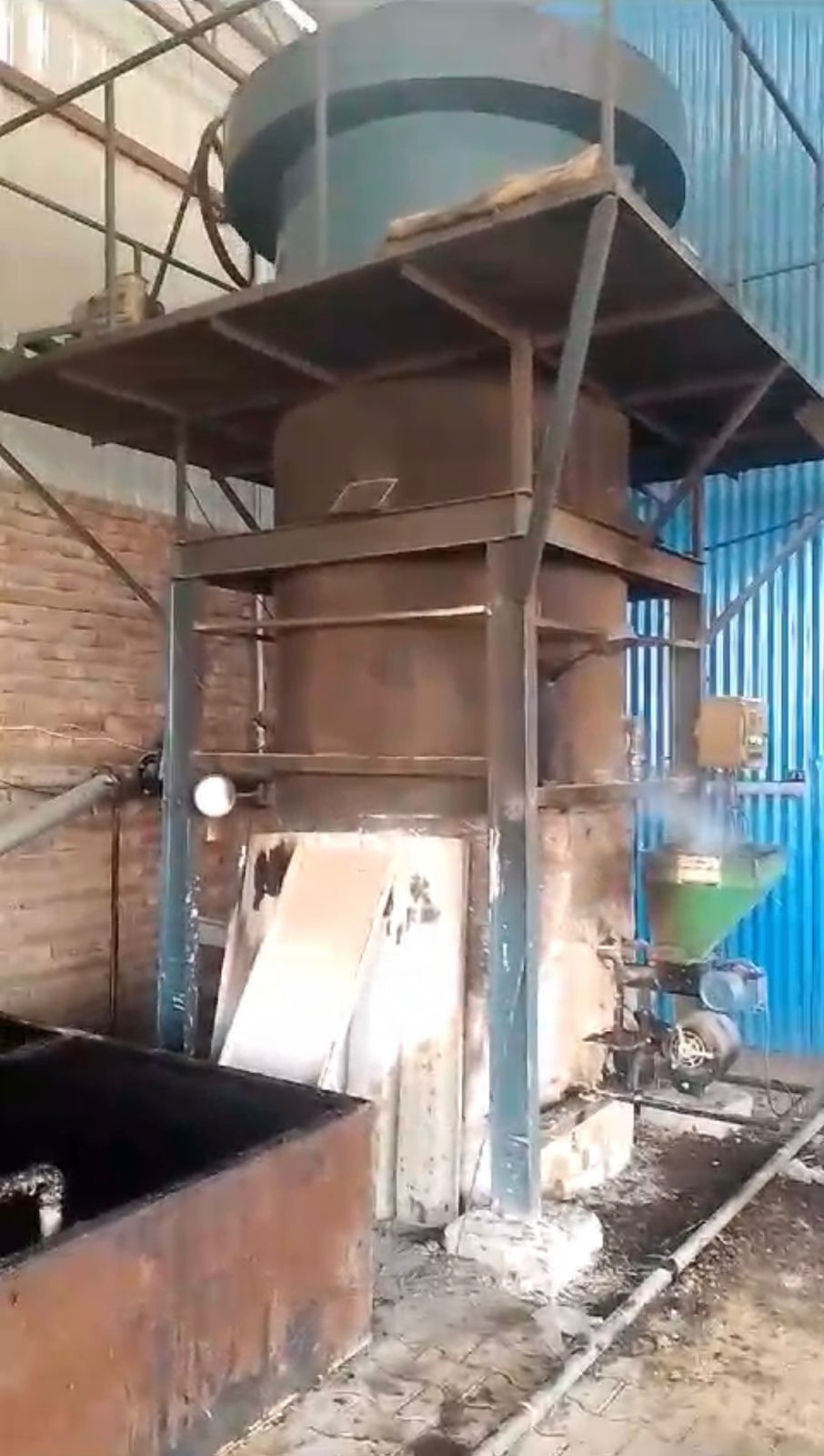
- Flue Gas Heating: In this method, CNSL is held in a tank and indirectly heated by a cashew shell burner that produces flue gas. Despite its utility, flue gas heating has limitations, including a low heat transfer coefficient and a short residence time, which results in more extended heating periods.

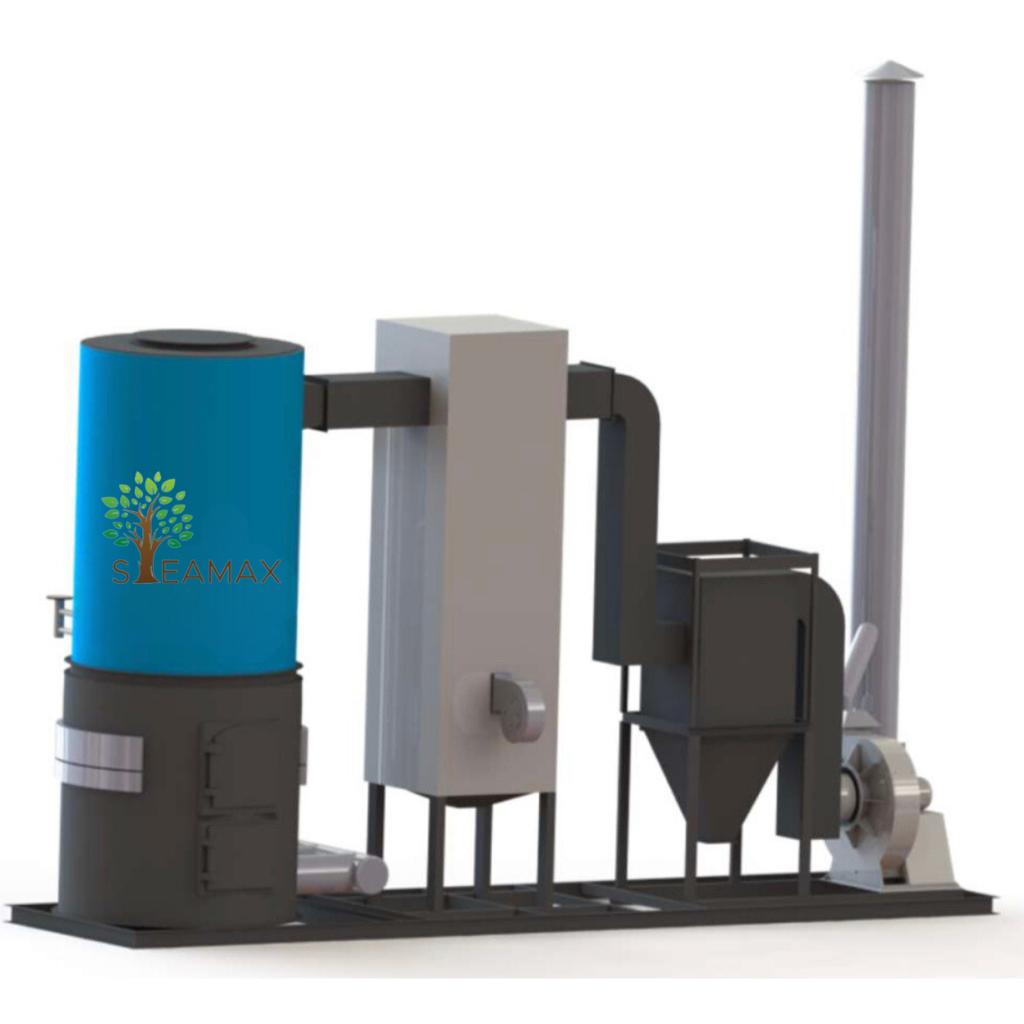
- Thermic Fluid Heating: Thermic fluid heating uses a thermic fluid circulated in a closed-loop system to heat CNSL efficiently. This method stands out for its high efficiency, minimal heat wastage, and absence of direct fire risk.
Advantages of Thermic Fluid Heating
- Enhanced Efficiency
Thermic fluid heating is known for its efficiency in transferring heat. The continuous circulation of the thermic fluid ensures steady and uniform heat distribution, which is crucial in the decarboxylation of CNSL. Consistent heating contributes to the optimal transformation of CNSL’s chemical structure, making it a more effective material for industrial use.
- Minimized Safety Risks
One significant benefit of thermic fluid heating is its reduced safety risks. The closed-loop system maintains a controlled temperature range, minimizing the risk of overheating. Unlike open heating methods like stove heating, the closed thermic fluid heating system prevents direct contact with flames, significantly reducing the risk of fire hazards.
- Better Control Over the Heating Process
Precision is critical in industrial processes, particularly when modifying the chemical structure of substances like CNSL. Thermic fluid heating allows for superior control over the heating process. The temperature can be precisely regulate within the closed-loop system, enabling fine-tuning to meet specific process requirements. This control ensures consistent and reliable decarboxylation results.
Conclusion
Thermic fluid heating offers numerous advantages for the decarboxylation of cashew liquid. It ensures efficient heat transfer, improves safety by minimizing risks of overheating and leakage, and provides precise control over the heating. These benefits make thermic fluid heating the superior method for achieving consistent and reliable results in the industrial application of CNSL. For more inquiries, contact us at +91-931512480.

Hello
How can I reduce vapour (foam) during decarboxylation of CNSL ?