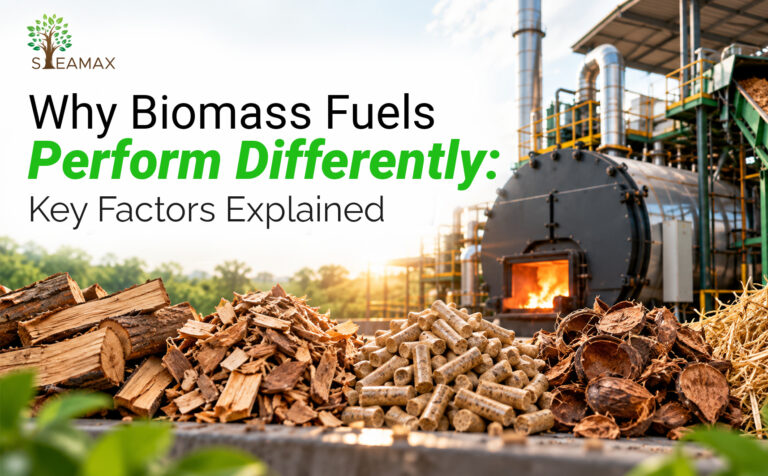
Ash content is a critical parameter to consider when evaluating biomass fuel quality. It represents the measure of non-combustible materials present in the fuel and significantly impacts the performance and longevity of combustion equipment. Understanding the ash content in biomass fuels is crucial because it contributes to issues like slagging, corrosion, and reduced efficiency in combustion systems. In this blog, we’ll delve into the role of ash content, its detrimental effects, and why Steamax’s Astillas fuel blend is a superior, cleaner alternative.
What Is Ash Content in Biomass Fuels?
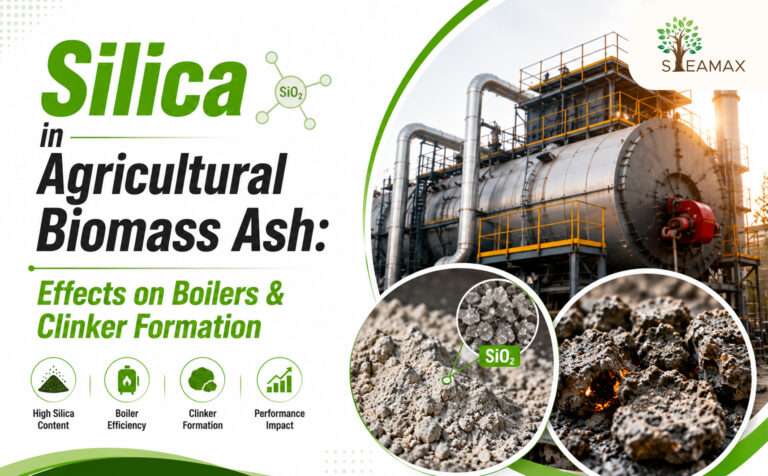
In the context of biomass, ash-forming elements originate from various sources. These can include salts bound within the biomass’s carbon structure or mineral particles such as dirt and clay introduced during harvest or transport. When subjected to high temperatures and reducing conditions inside a combustion chamber, some elements, like SiO2, CaO, and MgO, can volatilize and form tiny primary particles, contributing to ash formation.
How High Ash Content Affects Biomass Fuel Performance
When selecting the right biomass fuel for your system, one of the key factors to consider is its ash content. High ash content can be detrimental in several ways:
- Reduced Energy Output: High ash content means a more significant proportion of the fuel is non-combustible, leading to lower energy output. As a result, more fuel is require to generate the same amount of heat, increasing overall fuel consumption.
- Increased Wear and Tear: The erosive nature of ash can cause significant wear on combustion equipment, leading to higher maintenance and operational costs.
- Slagging and Clinker Formation: High ash content contributes to slagging and clinker formation in the combustion chamber, impairing system performance and reducing efficiency.
- Efficiency Losses: Ash is typically removed from the combustion chamber at high temperatures, carrying heat with it and thus lowering the overall efficiency of the reactor.
- Environmental Impact: Suspended fly ash acts as a global warming agent, contributing to the heating of the earth’s surface. Additionally, fly ash containing heavy metals like nickel, cadmium, arsenic, chromium, and lead can leach into soil and water sources, posing serious environmental and health risks.
- Health Hazards: Inhalation of fly ash can lead to respiratory issues, asthma, and other neurological disorders. Moreover, the disposal of ash in landfills increases land pollution.
Ash content in different Biomass fuels
| Biomass Fuel | Ash content % |
| Wood | 5-7 |
| Rice Husk | 7.5-17.5 |
| Pine Wood Pellets | 4-5 |
| Sawdust | 3-4 |
| Cowdung | 21.5 |
| Groundnut shell | 2.8-6 |
Astillas: A Cleaner Biomass Fuel from Steamax
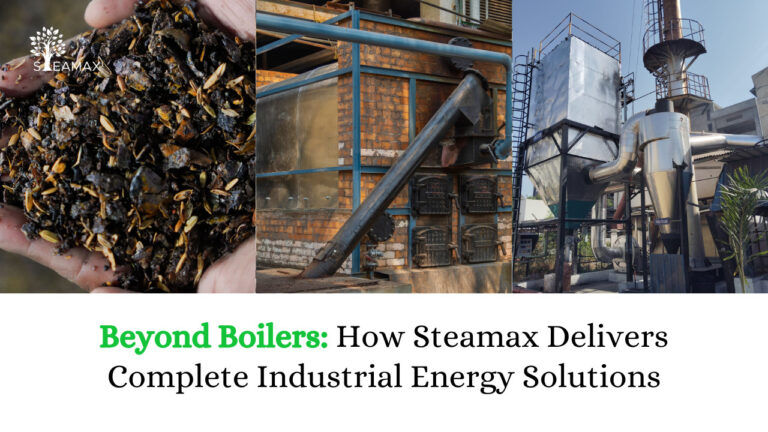
Since 2015, Steamax has been at the forefront of developing new and innovative biomass fuels for the Indian market. One of our latest innovations is “Astillas,” a fuel blend designed to address the issues associated with high ash content in traditional biomass fuels. Here’s why Astillas stands out:
- Natural Ingredients: Astillas is manufacture from natural products such as cashew shells, de-oiled cashew cake, sawdust, groundnut shells, and seasoned wood chips, all contributing to a cleaner burn.
- Efficient Combustion: With a lower bulk density and higher calorific value, Astillas burns more efficiently than other biomass fuels, reducing fuel consumption and emissions.
- Customizable: The size and constituents of Astillas can be customize to meet the specific needs of your location and industrial requirements.
- Low Processing Costs: Astillas are produce using low-cost, locally sourced biomass, ensuring they remain economical for industries.
- Safe Composition: The fuel blend is free of harmful substances like anacardic acid and phenol, making it safer for the environment and workers.

Understanding the ash content in biomass fuels is essential for selecting the most efficient and environmentally friendly option for your industrial needs. Steamax’s Astillas offers a cleaner, more efficient alternative to traditional biomass fuels, reducing emissions and operational costs. As the world shifts towards more sustainable energy sources, choosing the right fuel is more important than ever.
Are you ready to switch to a cleaner, more efficient fuel? Contact us today to learn more about Astillas and how it can benefit your industry.