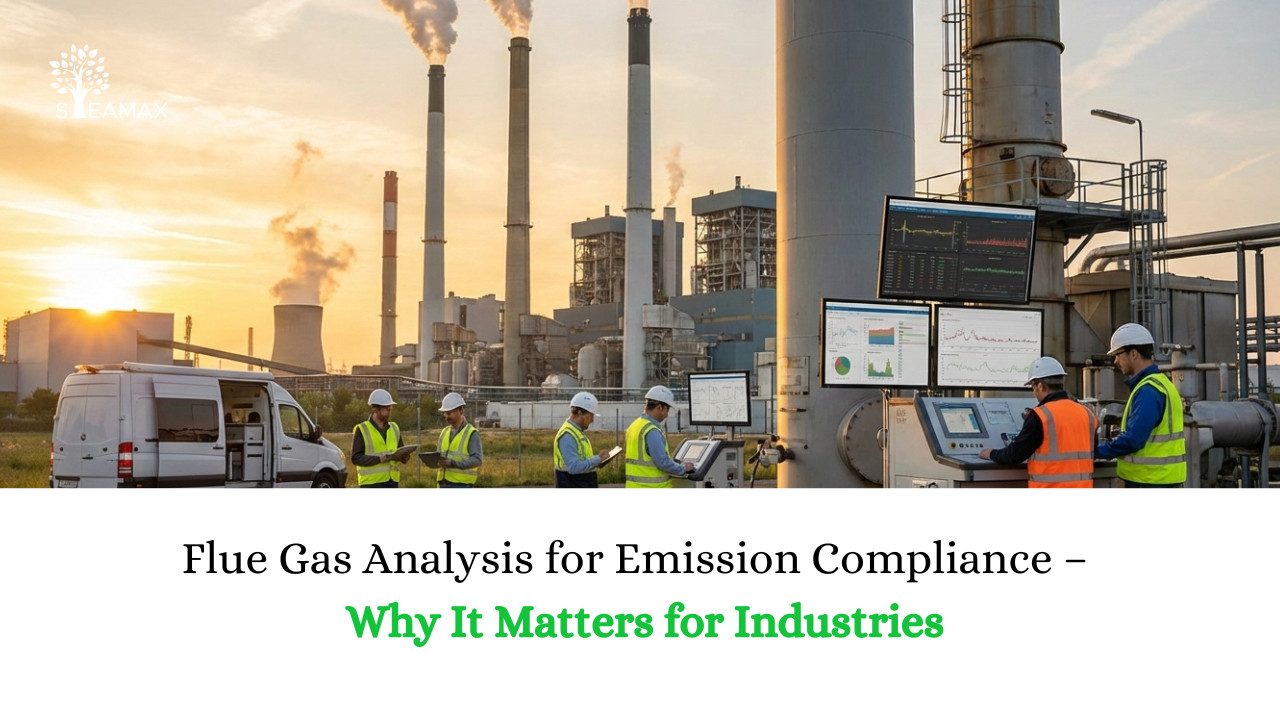
Most industries focus heavily on fuel quality, boiler capacity, and production targets. But when it comes to emission compliance, everything depends on one thing — what actually goes out of the chimney. Flue gas analysis is one of the simplest and most effective ways to understand how clean and efficient your combustion process really is. It doesn’t require major shutdowns or expensive upgrades, yet it provides clear, measurable insights that help industries stay within emission limits and avoid regulatory trouble.
If your plant operates boilers, furnaces, heaters, or process equipment, flue gas analysis should not be optional. It is a fundamental tool for compliance and operational control.
What Is Flue Gas Analysis?
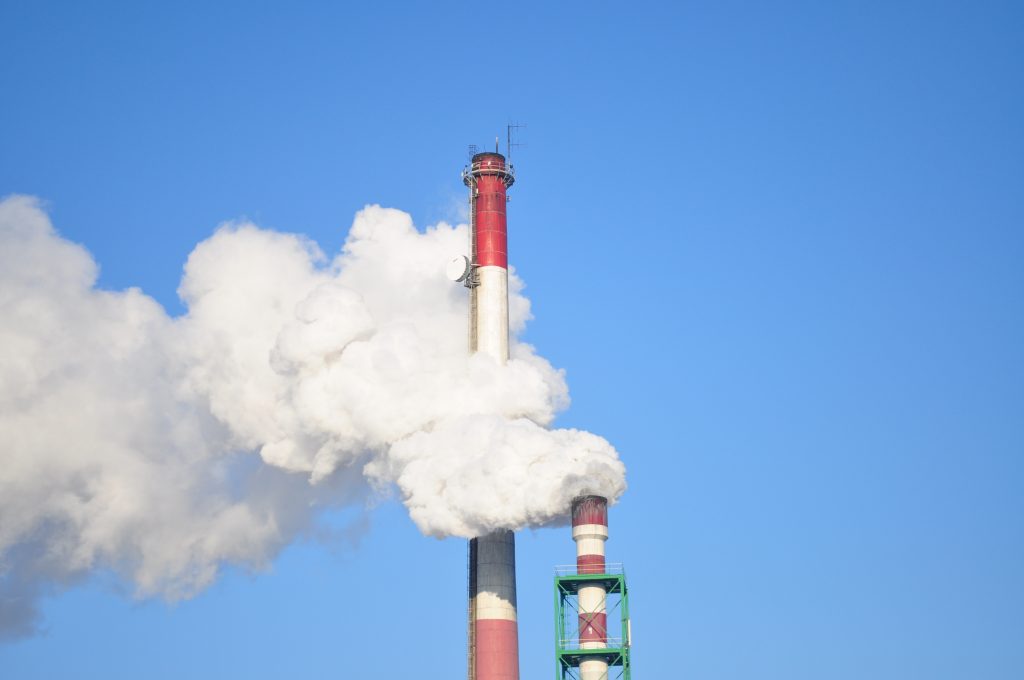
Flue gas analysis is the process of measuring the composition of gases released after combustion. These gases travel through the boiler or furnace and exit through the stack.
A flue gas analyser typically measures:
- Oxygen (O₂)
- Carbon dioxide (CO₂)
- Carbon monoxide (CO)
- Nitrogen oxides (NOx)
- Sulphur dioxide (SO₂), where applicable
- Stack temperature
Together, these values tell a clear story about combustion quality and emission performance.
Why Flue Gas Analysis Matters for Emission Standards
Pollution control norms are not based on assumptions. Regulators look for data — measured, recorded, and verifiable.
Flue gas analysis helps industries:
- Identify emission levels before they cross legal limits
- Take corrective action early instead of facing penalties
- Maintain consistent compliance during audits and inspections
- Support data reported through CEMS or manual testing
Understanding What the Numbers Mean
Flue gas values are not just technical figures. Each parameter directly affects emissions and efficiency.
Oxygen (O₂)
Excess oxygen means too much air is entering the system. This cools the furnace, reducing efficiency. Low oxygen can lead to incomplete combustion and higher carbon monoxide levels.
Carbon Monoxide (CO)
High CO indicates incomplete combustion. This is a red flag for both efficiency loss and safety concerns.
Carbon Dioxide (CO₂)
CO₂ levels reflect how effectively fuel carbon is being converted during combustion. Stable CO₂ levels usually indicate balanced combustion.
Nitrogen Oxides (NOx)
NOx increases when flame temperatures are too high or air distribution is uneven. Controlling combustion conditions helps keep NOx within limits.
Stack Temperature
High stack temperature means valuable heat is escaping rather than being used to generate steam or produce energy.
How Flue Gas Analysis Helps Maintain Compliance
1. Early Detection of Emission Issues
The analysis enables plants to identify rising emissions before they become violations. Minor adjustments can prevent major compliance failures.
2. Better Combustion Control
Correcting air–fuel ratios based on actual gas readings improves combustion and reduces excess emissions.
3. Support During Pollution Control Audits
Documented reports provide strong evidence of responsible operation during PCB or CPCB inspections.
4. Reduced Dependence on Guesswork
Instead of relying on visual smoke checks or operator assumptions, decisions are made using real data.
How Steamax Supports Flue Gas Analysis and Compliance
Steamax helps industries turn flue gas data into meaningful action. Our support includes:
- On-site flue gas analysis and reporting
- Integration support with CEMS systems
- Emission troubleshooting for boilers and process equipment
- Guidance to stay aligned with state and central pollution norms
Final Takeaway: Measure First, Correct Smartly
Maintaining emission standards is not about last-minute fixes during inspections. Flue gas analysis gives industries a clear window into combustion performance and environmental impact. When used regularly, it becomes one of the most effective tools for staying compliant, reducing risk, and improving efficiency.
If you want to strengthen your emission control strategy or review your current performance, visit orangered-antelope-537718.hostingersite.com