India’s Untapped Coal Reserves: A Climate Bomb Waiting to Go Off?
As one of the world’s fastest-growing economies, India stands at a crucial energy crossroads. Home to the fifth-largest coal reserves globally, India’s energy system still heavily leans on fossil fuels. Of the 319.02 billion tonnes of total coal reserves reported by the Geological Survey of India, about 148 billion tonnes are classified as “proven”—meaning they’re economically and technically viable to extract.
But mining and burning this coal comes with a cost: climate change, environmental degradation, and health risks. The big question is whether we can continue digging deeper while staying within its climate commitments.
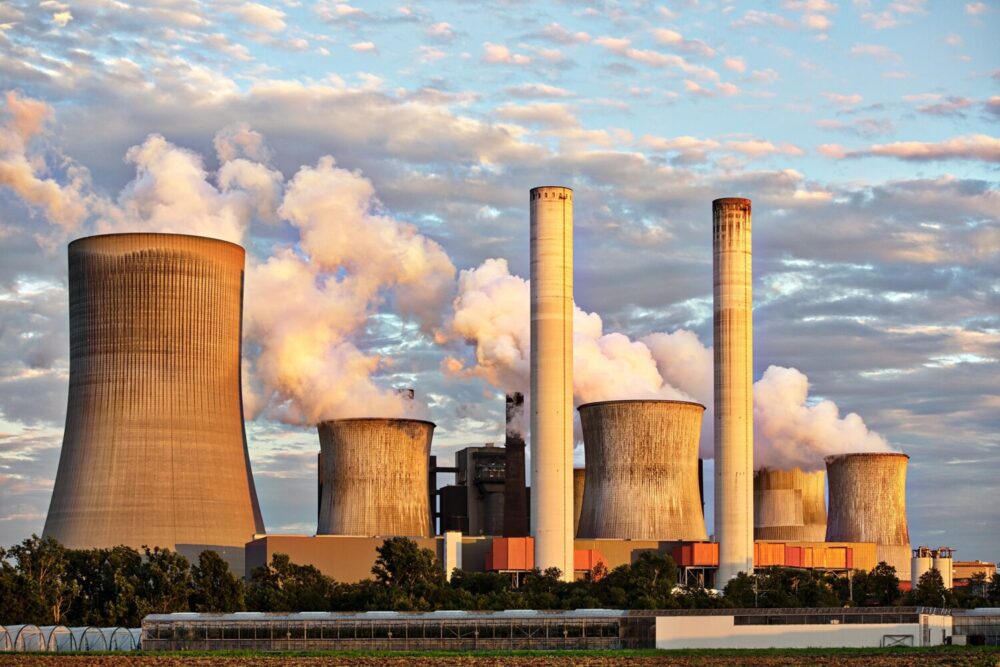
Where the Coal Is: Geography
Coal-rich states such as Jharkhand, Odisha, Chhattisgarh, Madhya Pradesh, and West Bengal collectively account for most of India’s coal reserves. Many of these reserves are located in ecologically sensitive zones, home to tribal communities, dense forests, and wildlife habitats.
Extracting coal from these areas isn’t just about drilling into land—it’s about reshaping ecosystems, displacing populations, and risking biodiversity loss.
Coal’s Dominance in Energy Mix
Despite the renewable energy push, coal still fuels about 72% of India’s electricity (as of 2023, according to the Central Electricity Authority). In FY 2022–23 alone, India produced a record 893 million tonnes of coal, with Coal India Ltd supplying nearly 80%.
This dependence makes coal not just a resource, but a pillar of India’s economic infrastructure—from power plants to heavy industries like steel, aluminium, and cement.
The Hidden Carbon Cost of Untapped Reserves
Every tonne of coal burned releases about 2.86 tonnes of CO₂, according to estimates from the International Energy Agency (IEA). If we do the math:
- Unmined reserves ≈ 170 billion tonnes
- Potential CO₂ emissions ≈ 486 billion tonnes
That’s more than 12 times the world’s annual emissions, making India’s reserves a potential carbon bomb in the context of global climate goals.
India’s Climate Promises: Walking a Tightrope
India has made clear commitments on the international stage:
- Net-zero carbon emissions by 2070
- 50% energy capacity from non-fossil sources by 2030
- Reduced emissions intensity per unit of GDP
And yet, the ground reality shows a different trend. Since 2020, over 100 coal blocks have been auctioned for commercial mining. Private players are entering the space, and environmental clearances for some mines are being fast-tracked.
Development vs. Environment: The Coal Trade-Off
There’s no denying coal’s benefits:
- Inexpensive and abundant
- It provides millions of jobs
- Supports energy security in a growing economy
But it comes with massive externalities:
- Air pollution: Linked to 1.67 million deaths in India (Lancet Countdown, 2023)
- Water depletion: Mining consumes and contaminates vast amounts of groundwater
- Deforestation: Expanding mines clear out large forest tracts
- Climate risks: More extreme weather events linked to fossil fuel emissions
Is India Sitting on a Carbon Bomb?
According to the Global Energy Monitor and international researchers, a “carbon bomb” refers to any fossil fuel project that could emit over one gigatonne of CO₂ in its lifetime. With nearly 500 billion tonnes of potential emissions in India’s reserves, it’s fair to say:
India is sitting on one of the world’s largest untapped carbon bombs.
Can Renewables & Biomass Replace Coal?
India isn’t sitting idle on clean energy. As of March 2024:
- 133 GW of installed renewable energy capacity
- 750 million tonnes of annual agri-residue biomass potential
- Expanding wind and solar parks across Rajasthan, Gujarat, Tamil Nadu
Still, several challenges remain:
- Intermittency of renewables
- Inadequate grid infrastructure
- High storage costs
- Financing for rural and remote energy access
India at a Crucial Crossroads
So, where do we go from here?
India’s choices in the next decade will shape its future and the trajectory of global climate efforts. The country must navigate a path that secures:
- Affordable, reliable energy access
- Protection of forest and tribal communities
- Massive reduction in emissions
- Global leadership in green technology and climate policy
Conclusion: Time for a Just Energy Transition
India’s coal reserves represent a paradox: the promise of prosperity versus the threat of planetary heating. While coal may continue to power our present, it cannot define our future. The solution is a just energy transition that protects livelihoods preserves ecosystems and propels India into a clean, green industrial era.