Biomass-fired boilers are increasingly used as a sustainable energy solution, but their efficient operation hinges on more than just the fuel you use. The bag filters in these systems play a crucial role in capturing particulates and contaminants from the flue gas generated during biomass combustion. This improves air quality and protects the boiler components, extending their lifespan.
Choosing the suitable materials and construction for these filters ensures that your biomass boiler operates at peak efficiency and durability. This article delves into the types of bag filter media available and highlights critical considerations in filter bag construction.
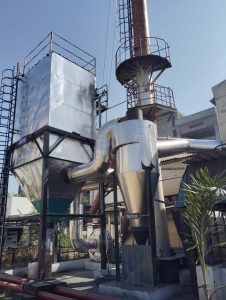
Various types of bag filters media
The choice of filter media in bag filters directly impacts filtration efficiency and the system’s resistance to harsh conditions. Common materials used for filter media include:
- Polyester is widely used due to its excellent moisture, chemicals, and abrasion resistance. Polyester can withstand temperatures up to 150°C, making it suitable for various biomass boiler applications.
- Nomex (Aramid): Known for exceptional heat resistance, Nomex can endure temperatures up to 220°C. This makes it ideal for the high-temperature environments typical of biomass combustion.
- PTFE (Teflon): PTFE stands out for its non-stick properties, chemical resistance, and high-temperature tolerance up to 260°C. It’s perfect for handling sticky particulates and aggressive chemical environments often found in biomass boilers.
- Fibreglass: This material is durable and capable of withstanding temperatures up to 260°C, making it suitable for capturing abrasive particulates and filtering high-temperature gases generated by biomass fuels.
The Importance of Filter Bag Construction
The effectiveness of a bag filter isn’t just about the material; construction quality is equally critical. Proper design and high-quality construction ensure the filter can perform efficiently over its lifespan.
Critical aspects of filter bag construction include:
- Stitching and Seams: High-quality stitching and sealed seams are vital to prevent leakage, ensuring that all captured particulates remain within the bag.
- Bag Design: Optimizing airflow while maximizing the surface area for filtration is crucial. This balance ensures efficient particle capture while minimizing pressure drop, which helps maintain the system’s overall efficiency.
Steamax’s APCD- Bag Filters For Biomass-Fired Boilers
Steamax leads the industry with advanced filtration technology tailored for biomass-fired boilers. Our bag filters operate effectively in temperatures ranging from 140°C to 250°C, making them ideal for systems using various biomass fuels, such as briquettes, wood chips, and pellets.
Critical Advantages of Steamax Bag Filters
- Enhanced Performance: Steamax filters feature fibreglass with a PTFE membrane, offering exceptional durability and resistance to acid. This combination ensures longevity and sustained performance, even in the most demanding industrial settings.
- Optimized Design: These filters have PTFE threads and a Snap Band Collar installation system. This design ensures a secure and straightforward setup, minimizing downtime and reducing maintenance costs.
- Versatile Application: Ideal for biomass combustion systems, waste-to-energy plants, and various industrial processes, Steamax bag filters support operational efficiency across a wide range of applications.
The Growing Necessity of Bag Filters
As environmental regulations tighten, particularly concerning particulate matter (PM10) emissions, bag filters have become essential for compliance. For instance, in the National Capital Region (NCR), the Pollution Control Board mandates that PM10 levels be kept below 50mg/Nm³. Advanced bag filters like those from Steamax are not just an option but a necessity for industries striving to meet these rigorous standards.
Enhance Your Industrial Efficiency Today:
Experience the unmatched performance and reliability of Steamax bag filters in your biomass-fired boiler operations. Our advanced filtration solutions ensure cleaner emissions, reduced maintenance costs, and enhanced operational efficiency. Contact us today to discuss how Steamax can meet your specific filtration needs.