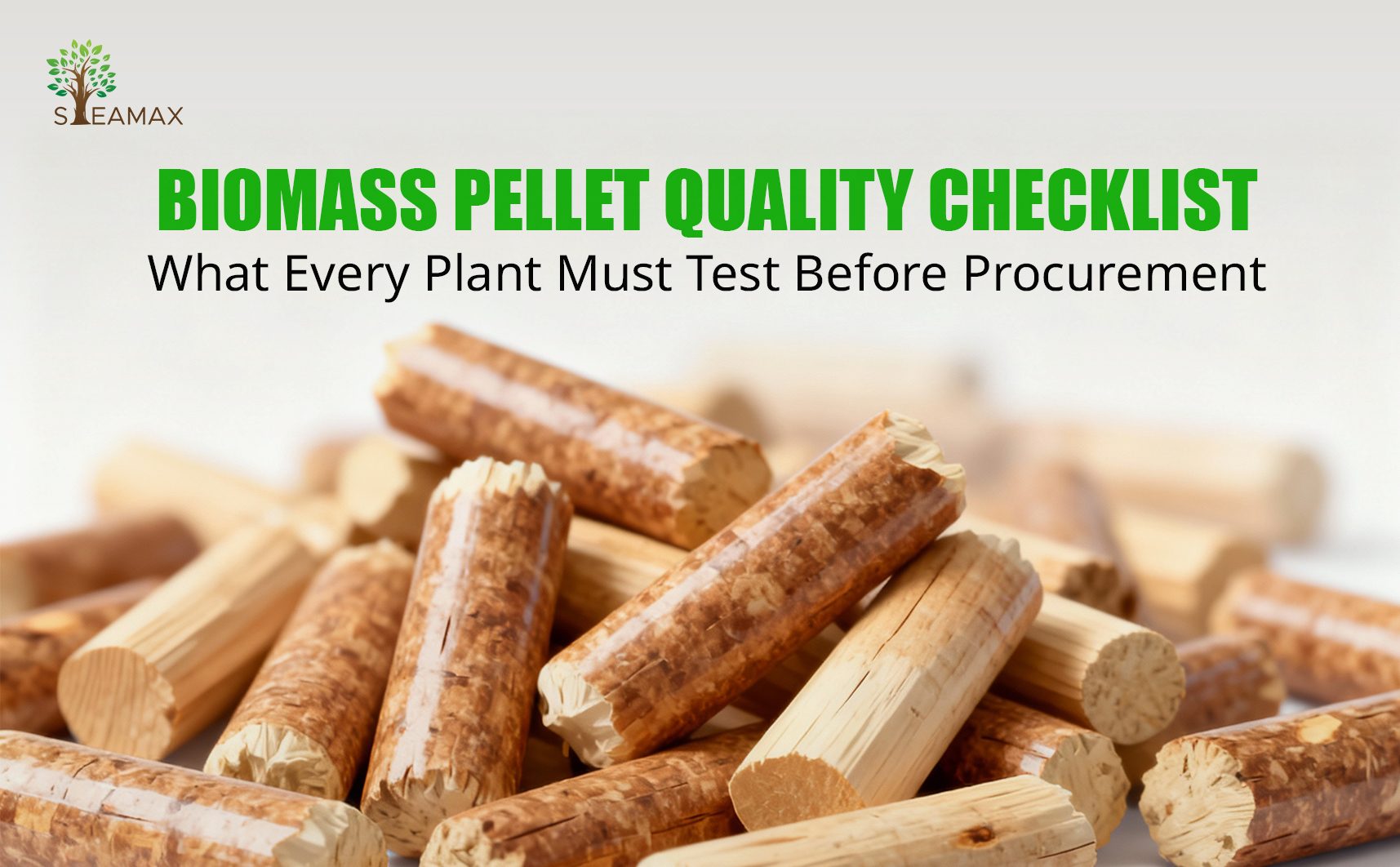
If your plant faces downtime due to pellets for steam generation, you already know this: Not all pellets are created equal. A batch of poor-quality pellet can ruin combustion, clog feeding systems, increase ash handling, and disrupt production. And yet, many plants still procure without following a structured quality protocol — assuming all suppliers offer consistent fuel.
The truth is simple:
Fuel quality directly impacts steam quality, boiler efficiency, ash content and Calorific value, and your monthly fuel bill. So, before your next purchase order goes out, here’s a practical, plant-ready checklist to ensure you procure are right for your boiler.
Why Biomass Pellet Quality Matters
- Stable and consistent burning
- Lower ash generation and reduce maintenance
- Reduced unburnt losses
- Higher boiler efficiency and better heat transfer
- Lower operating costs and downtime
- Compliance with emission norms
When fuel is inconsistent, everything downstream — from combustion to steam output — becomes unstable.
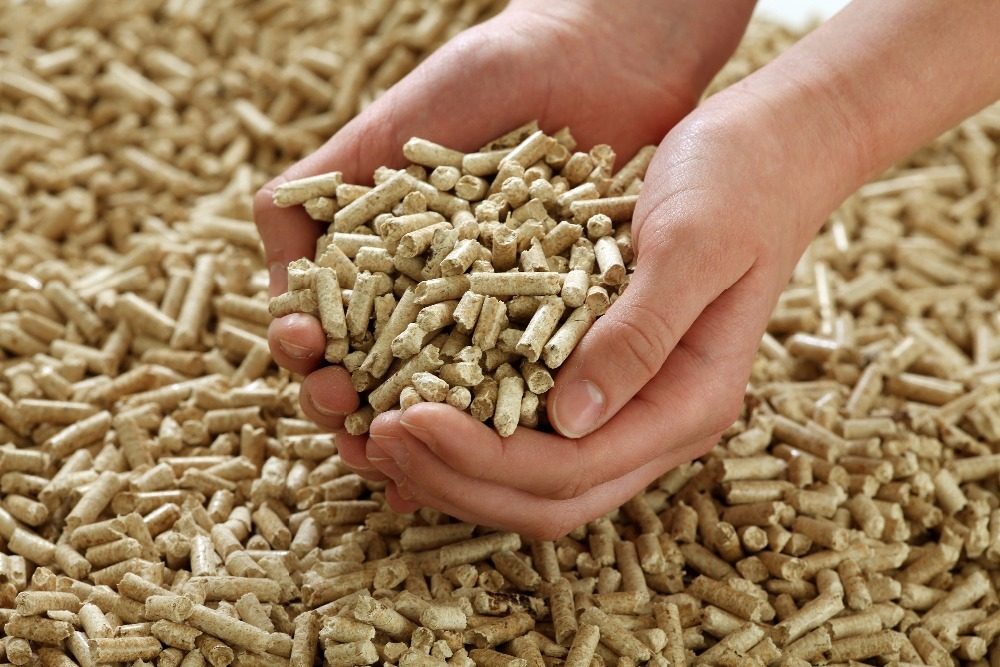
Biomass Pellet Quality Checklist: What Every Plant Must Test
Below are the must-check parameters every plant should evaluate before procurement. These are simple, measurable, and directly tied to boiler performance.
1. Moisture Content
Why it matters:
Moisture is the biggest efficiency killer. High moisture means lower calorific value, delayed ignition, and more unburnt residue.
Ideal Range: 8%–12%
2. Calorific Value (CV)
Why it matters:
CV tells you how much heat a biomass can produce. Higher CV means more steam per kilogram.
Ideal Range:
- Wood Pellets: 4000–4500 kcal/kg
- Agro Pellets: 3500–4200 kcal/kg
3. Ash Content
Why it matters:
Ash does not burn — it stays behind. High ash content increases cleaning, reduces heat transfer, and increases emissions.
Ideal Values:
- Wood: <1.5%
- Agro: 3–5%
4. Bulk Density & Durability
Why it matters:
Low-density pellets break easily, generate fines, and cause uneven feeding — primarily in automated systems.
Ideal Numbers:
- Density: 600–750 kg/m³
- Durability: >95%
5. Size Consistency
Why it matters:
Pellets with non-uniform length or diameter disrupt the fuel flow characteristics, causing feeder variations, hopper bridging, and uneven combustion profiles within the furnace. This results in fluctuating heat release, unstable bed conditions, and reduced overall combustion efficiency.
Recommended Size:
- Diameter: 6–10 mm
- Length: 10–30 mm
6. Chlorine & Sulfur Content
Why it matters:
High chlorine and sulfur cause:
- Corrosion
- Fouling
- Toxic flue gases
- Emission non-compliance
Safe Values:
- Chlorine: <0.05%
- Sulfur: <0.05%
7. Ash Fusion Temperature (AFT)
Why it matters:
AFT defines whether ash will melt and form clinkers. Low AFT fuels produce hard clinkers that disrupt airflow and reduce combustion efficiency.
Preferred AFT: Above 1100°C
If your boiler struggles with clinker formation, AFT is the first parameter to check.
How to Implement a Pellet Quality Protocol in Your Plant
To ensure consistent quality every month:
- Define a transparent specification sheet for suppliers.
- Ask for testing reports for each batch (moisture, ash, CV, density).
- Collect random samples during unloading.
- Maintain a logbook of batchwise fuel properties.
- Reject or flag non-compliant batches immediately.
- Choose suppliers who follow BIS/ISO:9001: 2015 standards.
Doing this saves lakhs of rupees every year through reduced fuel waste and downtime.
How Steamax Helps Industries Maintain Fuel Quality
At Steamax, we support industries with:
- Fuel compatibility checks
- Combustion tuning for different pellet grades
- Verified biomass supplier network
- Feeding systems designed for pellet consistency
- Retrofits that handle multiple pellet types
Our goal is simple:
Help you get consistent steam at the lowest possible cost with the right fuel quality.
Final Words
Biomass pellets can dramatically reduce your fuel cost — but only when the quality is right. Ready to improve your boiler performance with consistent, high-quality biomass fuel? Talk to Steamax’s combustion experts today and get a fuel-quality assessment tailored to your plant.